


 SPARK Website
Best PPC Agency: Proven Strategies for High-ROI Paid Search Campaigns
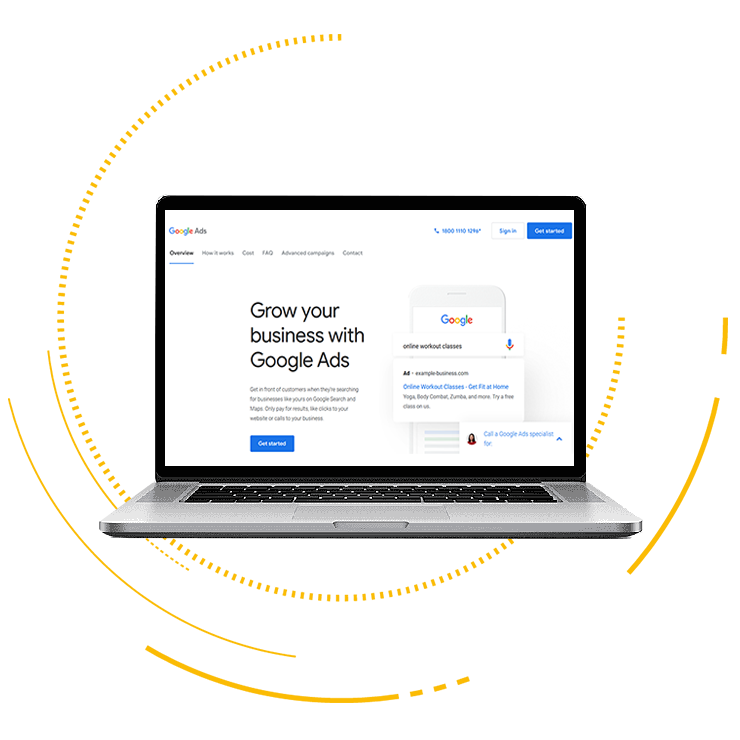
You need a PPC agency that turns ad spend into predictable, measurable growth. The Best PPC Agency will demonstrate clear ROI, deep platform expertise, and a repeatable testing process—traits that separate agencies that drive real results from those that only run ads. Choosing the Best PPC Agency helps businesses maximize conversions, improve campaign performance, and achieve long-term advertising success.
This article walks you through how top PPC partners operate, the qualities that matter when you evaluate them, and the metrics you should use to judge success so you can pick an agency that aligns with your goals and budget.
Key Qualities of Top PPC Partners
Top PPC partners combine hands-on platform expertise, tailored campaign blueprints, measurable reporting tied to business KPIs, and clear communication that keeps you informed and in control. They prioritize evidence over promises and make trade-offs explicit so you can judge performance quickly.
Proven Industry Experience
You should expect a partner with documented performance across campaigns that match your business model and goals. Ask for case studies showing channel mix, budget ranges, target CPA or ROAS, and the exact tactic that moved the metric—such as search SKAGs, Dynamic Remarketing, or Performance Max asset grouping.
Look for client longevity and recurring revenue signals; agencies that retain clients across multiple quarters usually know how to scale and optimize.
Verify platform certifications (Google, Meta) and advanced specialties like Shopping feed optimization or server-side conversion tracking. Those indicate technical depth, not just ad copy skill.
Customization of Strategies
Your campaigns must start with a clear audit of current performance, audience signals, and conversion pathways. A top partner maps a specific funnel for your product: which search terms to bid on, when to use remarketing, and how to segment audiences by intent and LTV.
Expect a written plan that lists prioritized tactics, estimated costs, and success criteria—for example, testing three creative variants for prospecting and shifting 20% of budget to high-intent keywords if CPA ≤ target.
Customization includes tech choices too: which attribution model, tag setup, and BI connections they’ll implement to feed accurate data back into bidding algorithms.
Results-Driven Reporting
You need reports that connect ad activity to business outcomes, not just clicks and impressions. Good partners deliver dashboards showing conversions, cost per conversion, micro-conversion trends, and how ad spend impacts revenue or lead quality.
Reports should include actionable insights: what changed, why it mattered, and the next two optimization steps. Frequency matters—weekly tactical snapshots and monthly strategic reviews let you catch performance swings and validate longer-term decisions.
Demand raw data access and defined KPIs so you can independently verify results and run your own analysis when needed.
Transparency in Communication
You deserve clear, timely updates on performance, budget pacing, and experiment outcomes. The agency should commit to a communication cadence—weekly touchpoints for tactics, monthly review for strategy—and a single source of truth like a shared dashboard or project board.
They must disclose media buys, markup structures, and any third-party tools that affect cost or data. That includes how they manage bidding automation and when humans intervene.
When experiments fail, you should get a concise post-mortem with learnings and the next test, not vague reassurances.
Evaluating Success With PPC Management
You need clear, measurable evidence that a PPC partner drives business results. Focus on the metrics they track, real client outcomes, and how they continually improve campaigns.
Tracking Performance Metrics
Track metrics tied to your goals: conversion rate, cost per acquisition (CPA), return on ad spend (ROAS), and lifetime value (LTV) if available. Use conversion tracking across Google Ads, Meta, and landing pages; verify that first-party data and server-side tracking are set up to reduce attribution gaps.
Segment metrics by channel, campaign, device, and audience to spot where spend performs best. Include both leading indicators (click-through rate, impression share, quality score) and lagging indicators (revenue per conversion, retention). Require transparent dashboards with daily spend, weekly trends, and monthly deep-dives so you can act quickly on anomalies.
Client Success Stories
Ask for case studies with specific KPIs, baseline metrics, timeframe, budget, and methodology. Prefer examples showing CPA reduction, ROAS improvement, or scaled volume without cost blow-up. Validate claims by requesting access to anonymized performance reports or client references you can call.
Look for depth: a good case study explains bidding changes, creative tests, landing page optimizations, and attribution adjustments—not just final numbers. Match examples to your industry, average order value, and sales cycle so you see comparable outcomes and realistic expectations.
Continuous Campaign Optimization
Expect a documented testing roadmap: hypothesis, variant, sample size, duration, and success criteria. Tests should cover bids, audience segmentation, ad copy/creative, landing pages, and dayparting. Prioritize tests that move business metrics (CPA, ROAS) rather than only vanity metrics.
Require weekly optimization loops and monthly strategic reviews that adjust budget allocation across channels. Confirm they use automated rules and scripts where appropriate, but keep human review for strategy and creative judgement. Insist on a post-test analysis that captures learnings and applies them to future campaigns.

 عربي
عربي