


 SPARK Website
Scary Games: When Fear Doesn’t Need to Shout
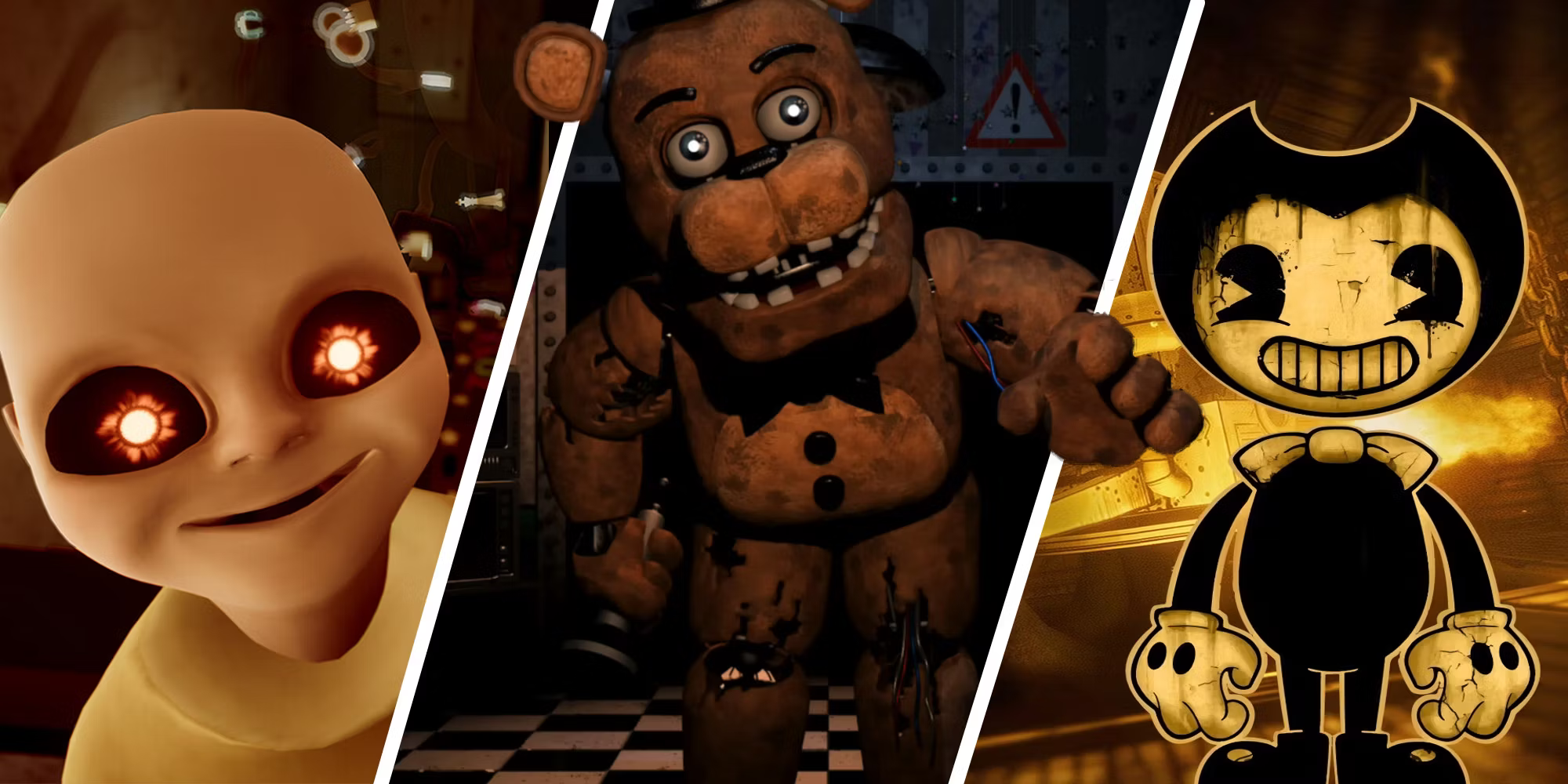
There’s a strange corner of gaming where nothing really “explodes,” nothing jumps at your face, and yet you still feel uneasy enough to pause and reconsider turning the game back on. That’s the space of scary games—a broad category that goes far beyond traditional horror.
It’s not just about monsters, blood, or loud jumpscares. In many modern scary games, fear is quieter. It sits in the background, slowly building through silence, environment, and uncertainty. Sometimes, the scariest thing in the game is not what you see—but what you think might be there.
The Shift from Loud Horror to Quiet Dread
Older horror games often relied on direct shock. A sudden sound, a creature appearing out of nowhere, or a scripted chase scene designed to spike your heart rate instantly. And while that style still exists, scary games today are moving in a different direction.
Instead of forcing fear, they let it grow naturally.
Games like Amnesia: The Dark Descent or Silent Hill don’t just scare you—they unsettle you. They keep you in a constant state of tension where nothing feels fully safe, even when nothing is actively happening. This lingering discomfort is what defines many modern scary games.
The experience becomes less about reacting and more about anticipating something that may never arrive.
Environmental Storytelling as a Source of Fear
One of the most powerful tools in scary games is environmental storytelling. Instead of explaining everything through dialogue or cutscenes, the game world itself tells the story.
An abandoned hallway with flickering lights. A room where furniture looks slightly out of place. A handwritten note left unfinished. None of these elements are explicitly scary on their own, but together they form a narrative that your mind tries to complete.
And that’s where fear begins.
Because once the game stops explaining things clearly, your imagination takes over—and imagination rarely stays reasonable for long.
Sound: The Invisible Threat
In many scary games, sound design does more heavy lifting than visuals. A distant footstep. A door creaking somewhere off-screen. A sudden drop into silence.
These audio cues don’t need explanation. They bypass logic and go straight to instinct.
Silence, in particular, is often more unsettling than noise. When a game suddenly removes background sound, the player instinctively prepares for something to happen—even if nothing does. This manipulation of expectation is a core design element in psychological horror.
Fear as a Slow Burn
Unlike action games, scary games rarely offer relief. Instead of peaks and valleys, they often maintain a steady emotional pressure.
You’re not constantly scared in an obvious way. Instead, you’re alert. You hesitate before entering new rooms. You check corners more carefully than necessary. You start to assume that something might be wrong, even when everything looks normal.
This slow-burn tension is exhausting in a very specific way. It doesn’t drain your reflexes—it drains your attention.
Indie Games and the Evolution of Horror
If there’s one place where scary games have evolved the most in recent years, it’s the indie scene.
Without the pressure of mainstream formulas, indie developers experiment freely with structure, pacing, and even player expectations. Some games remove combat entirely. Others limit your ability to interact with the world. Some don’t even clearly define objectives.
Instead of guiding the player, they place them inside a space and let uncertainty do the rest.
This design philosophy often leads to more personal fear experiences, because what unsettles one player may not affect another in the same way.
The Feeling of Being Watched
A recurring theme in many scary games is the sensation that you are not alone—even when nothing is visible.
This feeling doesn’t always come from actual enemies. It can be created through subtle camera design, unusual background movement, or level layouts that feel “observed.”
Once that sensation appears, every action becomes more cautious. Players start to second-guess simple decisions, like turning a corner or opening a door.
The game doesn’t need to tell you that you’re in danger—you already believe it.
Why Do We Even Play Scary Games?
It might seem strange that people willingly choose to experience fear. But scary games offer something unique: controlled discomfort.
You know you’re safe. You know you can quit anytime. And that safety net changes everything. It allows you to explore fear without real consequences.
There’s also curiosity. Human beings are naturally drawn to the unknown. Scary games feed that curiosity by withholding information and letting players slowly uncover fragments of meaning.
And finally, there’s the adrenaline factor. That mix of tension and excitement creates a feeling that’s hard to replicate in other genres.
Not All Fear Has to Be Loud
Some of the most memorable scary games aren’t even labeled as horror. They don’t try to scare you directly—but something about them feels off.
An empty city that feels too still. A story that never fully explains itself. A world that seems slightly broken in ways you can’t immediately identify.
These experiences stick with players because they don’t rely on single moments of shock. Instead, they build an atmosphere that lingers long after the game is closed.
Final Thoughts
Scary games are not just about fear—they are about tension, uncertainty, and the way our minds fill in gaps when information is missing.
They don’t always shout. Sometimes they whisper. Sometimes they say nothing at all.
And in that silence, players often find the most unsettling stories of all.

 English