


 SPARK Website
Winery Architect South Africa: Designing Spaces for Production, Experience, and Identity
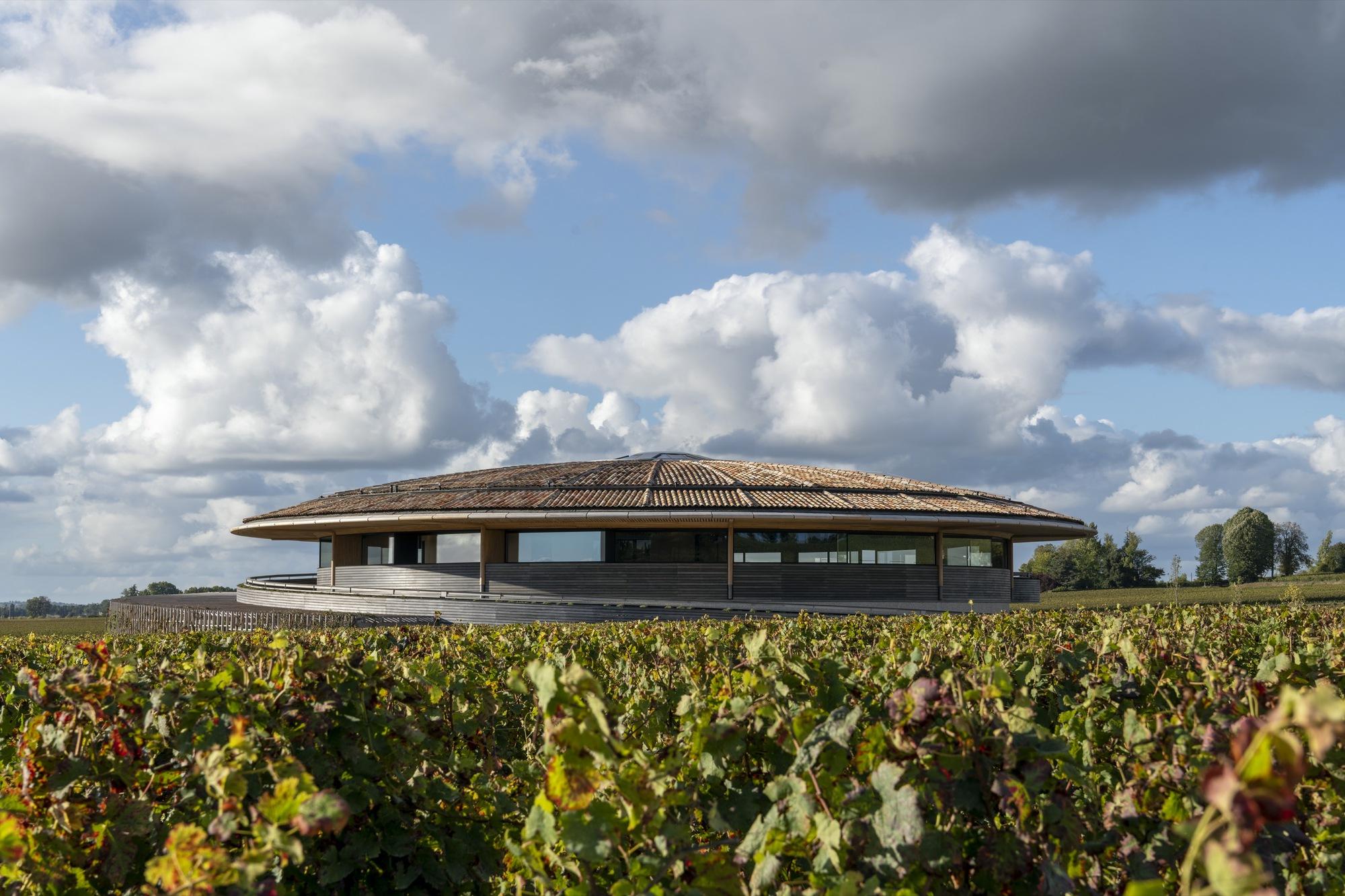
South Africa’s wine industry is closely tied to its landscape, climate, and cultural heritage, making architectural design a critical part of how wineries function and are experienced. From working facilities to visitor destinations, wineries require spaces that balance technical precision with visual impact. In this context, a winery architect in South Africa becomes essential in shaping environments that support winemaking while reflecting the identity of each estate.
Planning Around the Winemaking Process
At the core of every winery is a production system that demands efficiency and organization. The movement from grape reception to fermentation, storage, and bottling requires a layout that minimizes disruption while maintaining quality control.
Architectural planning plays a key role in ensuring that each stage is logically connected. Design strategies often focus on simplifying movement within the facility, allowing processes to flow naturally. This reduces operational complexity and improves productivity, ensuring that the architecture supports the craft of winemaking rather than interfering with it.
Designing with Topography in Mind
South African vineyards are often located on sloped terrain, which presents both challenges and opportunities for design. Instead of flattening the land, architecture often works with the natural topography to create multi-level structures that follow the slope.
This approach allows different functions to be separated across levels while maintaining a cohesive overall design. It also helps reduce visual impact, ensuring that buildings sit naturally within the landscape rather than dominating it.
Creating a Journey Through Space
Modern wineries are designed to offer more than production facilities; they are destinations that provide a complete visitor experience. The way spaces are arranged influences how visitors move through the site, creating a sequence that reveals different aspects of the winery.
Circulation paths are carefully planned to guide visitors from arrival to tasting areas, often incorporating views of vineyards and production spaces along the way. This creates a sense of progression, where each space contributes to a larger narrative.
The Importance of Controlled Environments
Wine production requires precise environmental conditions, particularly in storage and aging areas. Temperature, humidity, and light exposure must be carefully managed to maintain quality. Architectural design plays a key role in achieving this balance.
In relation to wine cellar design in South Africa, spaces are often designed with thick walls, insulation, and limited exposure to external conditions. These elements help create stable environments that support long-term storage and aging.
Responding to Regional Context
Designing wineries in South Africa requires sensitivity to regional context, including climate, materials, and surrounding architecture. In vineyard regions, buildings are often designed to blend with their environment through scale, form, and material choice.
Working alongside an architect paarl can provide insight into how local conditions influence design decisions, particularly in areas where landscape and tradition play a strong role. This ensures that projects feel appropriate to their setting while meeting functional requirements.
Material Expression and Durability
Material selection is a key aspect of winery architecture, influencing both performance and appearance. Durable materials such as concrete, stone, and timber are commonly used to create structures that can withstand environmental conditions while maintaining a strong visual identity.
These materials also contribute to the atmosphere of the space, adding texture and depth to both production and visitor areas. The combination of functionality and aesthetic quality is essential in creating a cohesive design.
Integrating Sustainability into Design
Sustainability is an important consideration in winery design, particularly in regions where environmental conditions can be demanding. Passive design strategies, energy-efficient systems, and responsible material use all contribute to reducing environmental impact.
By incorporating sustainable principles into the design, wineries can improve performance while maintaining long-term value. This approach ensures that buildings remain efficient and relevant in the future.
Creating Architecture That Reflects Identity
Each winery has its own character, shaped by its location, production methods, and overall vision. Architecture plays a key role in expressing this identity, creating spaces that communicate the story of the estate.
From the layout of production areas to the design of visitor spaces, every element contributes to a unified experience. In the end, a winery architect in South Africa helps translate this vision into built form, delivering spaces that are both functional and meaningful.

 English