


 SPARK Website
How Do Real Estate Tokenization Development Services Improve Platform Security?
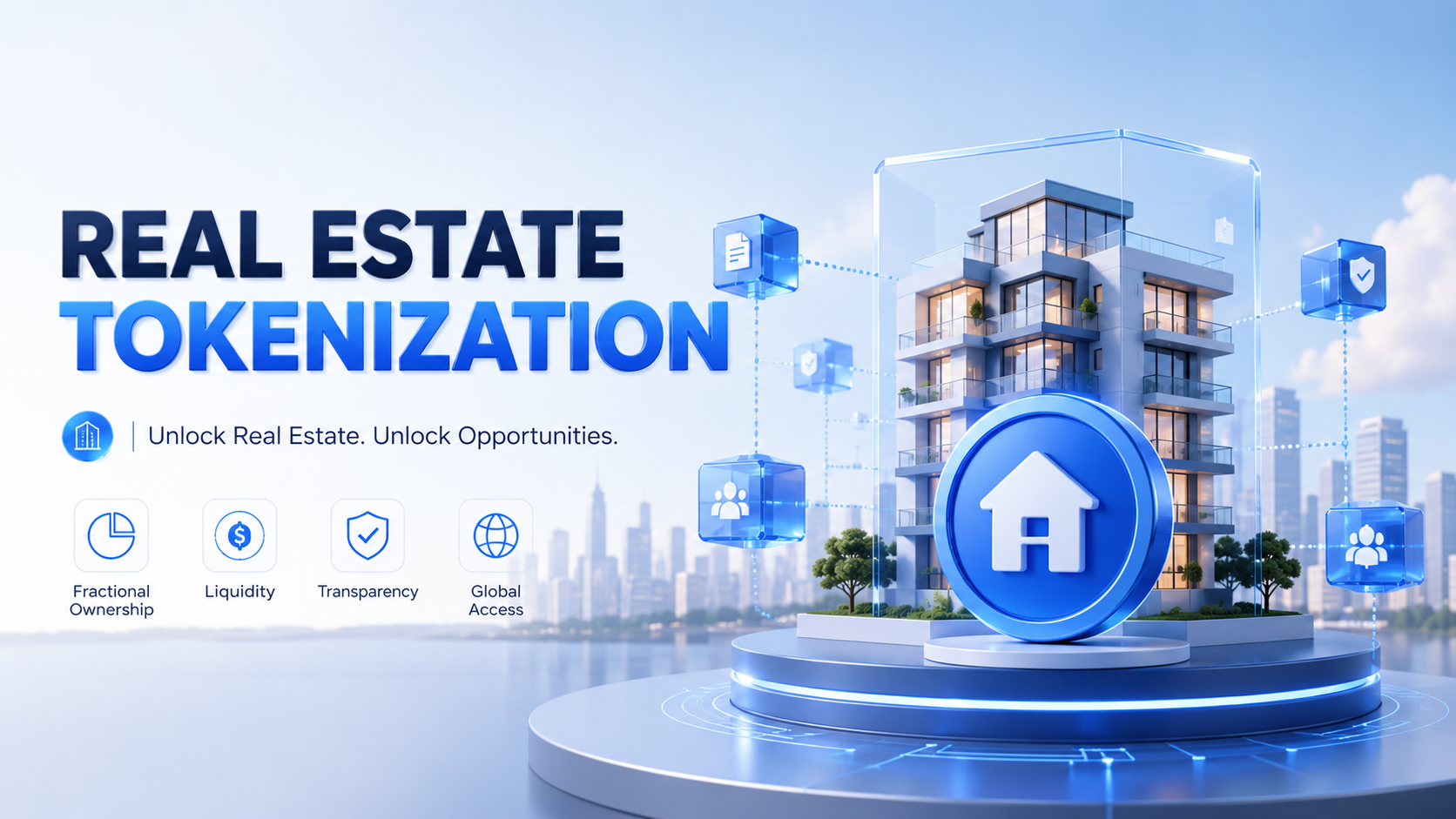
The rise of blockchain technology has introduced transformative possibilities for the real estate industry. One of the most significant developments is the ability to tokenize real estate assets, turning physical properties into digital tokens that can be bought, sold, and traded on a secure blockchain network. However, as with any digital transformation, security becomes a critical concern. Real estate assets are high-value, and any compromise of digital token platforms can result in substantial financial and legal repercussions. This is where specialized real estate tokenization development services come into play, offering not only the technical infrastructure for digitization but also robust security measures to protect both operators and investors.
Understanding Real Estate Tokenization
Before diving into security, it’s essential to understand what real estate tokenization entails. Tokenization is the process of converting the value of a tangible asset—like a building or commercial property—into digital tokens that represent fractional ownership. These tokens are typically issued and managed on a blockchain, ensuring transparent and immutable ownership records.
Tokenized real estate allows multiple investors to own small fractions of a property, creating liquidity in an otherwise illiquid market. Investors can trade these tokens on secondary marketplaces, access rental income distributions, and benefit from capital appreciation. While this technology is promising, the digital nature of tokenized assets also introduces cybersecurity risks that can compromise trust, compliance, and operational efficiency.
Why Security is Critical in Real Estate Tokenization
Real estate is inherently high-value, making tokenized assets an attractive target for cybercriminals. Threats can include:
- Smart contract vulnerabilities: Coding errors or exploits in the blockchain logic can lead to unauthorized transfers or loss of assets.
- Data breaches: Investor personal information and property records are sensitive, and any leak can lead to identity theft or regulatory penalties.
- Hacking and phishing attacks: Wallets, exchanges, and platform dashboards can be targeted to gain unauthorized access to digital tokens.
- Regulatory non-compliance: Security lapses can violate local securities regulations, exposing platforms to fines or legal action.
Real estate tokenization development services address these risks through a combination of technical expertise, platform architecture, and compliance mechanisms.
The Role of Real Estate Tokenization Development Services
Real estate tokenization development services encompass a wide range of technical and strategic solutions, including platform design, smart contract development, compliance integration, and cybersecurity measures. By working with experienced development teams, platforms can mitigate potential vulnerabilities and create a secure environment for investors.
Key services include:
- Blockchain Network Selection and Integration: Developers choose the appropriate blockchain (Ethereum, Polygon, Solana, or private blockchains) based on security, scalability, and transaction speed. Each network has its own set of security protocols and risk profiles.
- Smart Contract Development and Auditing: Smart contracts automate transactions, dividend distribution, and property transfers. Developers ensure these contracts are secure and free from logic flaws, vulnerabilities, or backdoors.
- Regulatory Compliance Integration: Platforms integrate Know Your Customer (KYC), Anti-Money Laundering (AML), and other regulatory protocols to prevent illegal activities and protect investors.
- Cybersecurity Infrastructure: Secure storage solutions, encryption protocols, and multi-factor authentication protect sensitive data and digital wallets from cyberattacks.
- Token Management and Access Control: Development services ensure that only authorized users can execute specific functions, limiting the potential for malicious activity or unauthorized access.
Through these comprehensive services, development teams establish a foundation for secure and reliable tokenization platforms.
How Platform Security Is Enhanced
The security of a real estate tokenization platform is multi-faceted. It involves not only safeguarding digital assets but also ensuring data integrity, regulatory compliance, and system resilience. Let’s examine some of the key security enhancements provided by development services:
1. Smart Contract Security
Smart contracts are the backbone of tokenized real estate platforms. These self-executing contracts handle transactions, token issuance, and dividend payments automatically. While smart contracts offer efficiency and transparency, they are also potential targets for exploitation if not developed securely.
Real estate tokenization development services address this by:
- Auditing Smart Contracts: Every contract undergoes thorough testing to identify vulnerabilities, such as reentrancy attacks, integer overflows, or unauthorized access points.
- Formal Verification: Some development teams apply formal verification techniques to mathematically prove that smart contracts perform as intended.
- Immutable Deployment: Once verified, smart contracts are deployed in a manner that ensures they cannot be altered without proper governance, reducing the risk of tampering.
Secure smart contracts prevent financial losses, protect investor assets, and maintain trust in the platform.
2. Data Encryption and Privacy
Tokenized real estate platforms handle sensitive data, including investor identities, financial transactions, and property records. Ensuring the confidentiality and integrity of this information is critical for compliance and investor trust.
Development services enhance data security by:
- End-to-End Encryption: Data transmitted between users and the platform is encrypted to prevent interception or tampering.
- Encrypted Storage: Sensitive data is stored securely, often using blockchain-based or decentralized storage solutions to reduce reliance on centralized servers.
- Zero-Knowledge Proofs: Advanced cryptographic methods can verify data without exposing it, preserving privacy while ensuring compliance.
By implementing these measures, platforms minimize the risk of data breaches and unauthorized access.
3. Secure Digital Wallet Integration
Investors interact with tokenized real estate platforms primarily through digital wallets. Wallet security is crucial because compromised wallets can result in irreversible asset loss.
Development services enhance wallet security through:
- Multi-Signature Wallets: Requiring multiple approvals for transactions reduces the risk of unauthorized transfers.
- Cold Storage Solutions: A portion of funds and tokens is stored offline, protecting assets from online attacks.
- Two-Factor Authentication (2FA): Users must provide multiple forms of verification to access their wallets, adding an additional layer of security.
These measures ensure that investors’ funds and ownership rights are protected at all times.
4. Regulatory Compliance and Legal Security
Compliance is a crucial aspect of platform security. Regulatory lapses can result in legal action, asset freezes, or even platform shutdown.
Tokenization development services integrate compliance mechanisms, including:
- KYC/AML Protocols: Ensuring that all investors are verified reduces the risk of illicit activity.
- Jurisdictional Compliance: Platforms are configured to comply with local laws regarding securities, property ownership, and digital assets.
- Audit Trails: Blockchain inherently provides immutable records, but additional logging and reporting features ensure regulatory transparency.
By maintaining legal compliance, tokenized platforms mitigate risks that could compromise both security and operational viability.
5. Continuous Security Monitoring
Security is not a one-time process. Real estate tokenization platforms require ongoing monitoring to detect vulnerabilities and respond to threats in real time.
Development services implement:
- Intrusion Detection Systems (IDS): Platforms monitor suspicious activity and anomalies to prevent breaches.
- Security Updates and Patches: Continuous updates ensure that the platform remains resilient against emerging threats.
- Penetration Testing: Simulated attacks identify weaknesses, allowing developers to address them before they are exploited.
Ongoing monitoring ensures that platforms remain secure even as technology and cyber threats evolve.
Benefits of Enhanced Security for Investors and Platforms
Robust security measures offer several advantages beyond mere protection against attacks. These benefits include:
- Investor Confidence: Security enhancements reassure investors that their assets and data are safe, increasing platform adoption.
- Operational Reliability: Secure platforms are less prone to downtime, fraud, or financial loss, ensuring smooth operations.
- Regulatory Trust: Compliance-focused security builds credibility with regulators, which is critical for long-term sustainability.
- Market Competitiveness: Platforms with proven security protocols stand out in a crowded market, attracting more users and investors.
By prioritizing security, real estate tokenization platforms not only protect assets but also strengthen their market position and user trust.
Emerging Security Technologies in Real Estate Tokenization
Development services are increasingly leveraging advanced technologies to bolster platform security. Some notable trends include:
- Artificial Intelligence (AI) and Machine Learning: AI algorithms detect anomalous behavior or potential fraud in real time.
- Decentralized Identity (DID) Systems: DID solutions provide secure, user-controlled identity verification for investors.
- Zero-Knowledge Proofs (ZKPs): ZKPs allow verification of transactions without exposing sensitive information, enhancing privacy.
- Layer-2 Scaling Solutions: These reduce congestion and vulnerabilities on the main blockchain while maintaining security.
By incorporating these innovations, platforms remain resilient against evolving threats while improving user experience.
Conclusion
Real estate tokenization represents a transformative shift in property investment, enabling fractional ownership, enhanced liquidity, and efficient transactions. However, the success of tokenized platforms depends heavily on security. Real estate tokenization development services play a pivotal role in building secure, compliant, and reliable platforms by focusing on smart contract integrity, data protection, wallet security, regulatory compliance, and continuous monitoring.
Through these measures, platforms can safeguard investor assets, maintain regulatory credibility, and foster trust in digital real estate markets. As technology evolves and blockchain adoption expands, robust security protocols will remain a fundamental cornerstone of successful real estate tokenization platforms. For developers, investors, and property owners alike, prioritizing security is not just a technical requirement—it is a strategic imperative for sustainable growth in the digital real estate ecosystem.

 English