


 SPARK Website
Linen Fabric Production Cost Analysis: Key Factors Influencing Manufacturing Economics
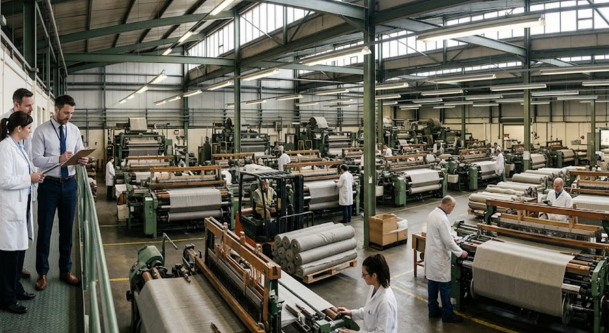
Understanding Linen Fabric production cost has become increasingly important for manufacturers, procurement teams, investors, and industrial planners operating within the global textile and apparel sector. Rising demand for sustainable textiles, fluctuations in energy prices, and ongoing supply chain disruptions are reshaping the economics of linen manufacturing worldwide.
Linen fabric, valued for its durability, breathability, and eco-friendly characteristics, is widely used across apparel, home textiles, industrial fabrics, and premium furnishing applications. As global sustainability initiatives accelerate, linen has emerged as a preferred natural fiber alternative to synthetic textiles. However, the cost of producing linen fabric is influenced by several interconnected variables, including flax cultivation costs, energy-intensive processing, labor requirements, and regional manufacturing conditions.
For companies planning investments or optimizing procurement strategies, accurate production cost analysis is essential for evaluating profitability, operational efficiency, and long-term competitiveness.
Overview of Linen Fabric Manufacturing
Linen fabric is produced primarily from flax fibers extracted from the flax plant (Linum usitatissimum). The manufacturing process involves multiple stages that transform raw agricultural feedstock into finished textile materials suitable for commercial applications.
Key Stages in Linen Fabric Production
The industrial production flow generally includes:
- Flax Cultivation and Harvesting
- Flax plants are cultivated in temperate regions.
- Harvest timing significantly affects fiber quality.
- Retting Process
- Microbial or chemical retting separates fibers from plant stems.
- Water retting and dew retting are commonly used methods.
- Breaking and Scutching
- Mechanical equipment removes woody portions of the stalk.
- Long fibers are separated for textile applications.
- Hackling or Combing
- Fibers are aligned and refined into spinnable material.
- Spinning
- Fibers are converted into yarn through wet or dry spinning processes.
- Weaving and Finishing
- Yarn is woven into linen fabric.
- Bleaching, dyeing, and finishing treatments are applied depending on end-use requirements.
Modern linen manufacturing facilities increasingly adopt automated spinning systems, energy-efficient looms, and digital process controls to improve productivity and reduce operational costs.
Key Raw Materials and Inputs
Raw material procurement remains one of the largest contributors to Linen Fabric manufacturing cost. The availability and quality of flax fibers directly influence both production efficiency and final product quality.
Primary Raw Materials
Flax Fiber
Flax is the core feedstock used in linen production. Factors influencing flax pricing include:
- Agricultural yield
- Weather conditions
- Regional cultivation capacity
- Labor availability
- Transportation logistics
European countries such as France and Belgium dominate premium flax production due to favorable climatic conditions and established agricultural infrastructure.
Utilities and Energy Inputs
Energy consumption significantly impacts industrial production cost across textile manufacturing operations. Major energy requirements include:
- Steam generation
- Drying operations
- Mechanical processing
- Spinning and weaving equipment
- Water treatment systems
Electricity and natural gas costs can substantially alter the overall cost of producing linen fabric, particularly in regions experiencing energy price volatility.
Chemicals and Processing Agents
Various chemicals are used during:
- Retting
- Bleaching
- Dyeing
- Softening
- Finishing operations
The selection of environmentally compliant chemicals has become increasingly important due to tightening environmental regulations across major textile-producing regions.
Labor and Water Usage
Linen manufacturing remains relatively labor-intensive compared to synthetic textile production. Skilled labor is required for:
- Fiber sorting
- Quality inspection
- Spinning operations
- Finishing processes
Water consumption also represents a critical operational consideration, especially in wet processing stages.
Major Cost Drivers in Production
Several economic variables influence Linen Fabric production cost analysis across global markets.
Raw Material Costs
Flax fiber pricing remains the most influential cost component in linen production economics. Crop failures, export restrictions, and climate variability can rapidly affect raw material availability and pricing.
In recent years, fluctuating agricultural input costs, including fertilizers and fuel, have further increased feedstock price uncertainty.
Energy Consumption
Textile processing operations consume considerable amounts of electricity and thermal energy. Rising global fuel prices have increased operational expenditure for:
- Retting systems
- Industrial dryers
- Spinning machinery
- Weaving units
Manufacturers increasingly invest in renewable energy integration and energy-efficient technologies to reduce long-term operating costs.
Labor Expenses
Labor costs vary significantly depending on the manufacturing region. Countries with lower labor costs often maintain competitive advantages in textile manufacturing; however, automation adoption is gradually reshaping cost structures.
Plant Maintenance and Capital Investment
Linen fabric manufacturing facilities require continuous maintenance for:
- Spinning equipment
- Weaving machinery
- Utility systems
- Wastewater treatment plants
Capital expenditure also affects overall Linen Fabric plant cost, especially for integrated facilities utilizing advanced automation and sustainable processing technologies.
Logistics and Transportation
Transportation expenses influence both raw material procurement and finished product distribution. Global freight volatility, port congestion, and geopolitical tensions can significantly impact supply chain economics.
Regional Cost Differences
The cost of producing Linen Fabric varies considerably across different regions due to variations in energy pricing, labor availability, environmental compliance costs, and feedstock access.
Europe
Europe remains a leading producer of high-quality flax fibers. Advantages include:
- Established flax cultivation
- Advanced textile infrastructure
- High-quality output standards
However, elevated labor and energy costs often increase overall manufacturing economics.
Asia-Pacific
Countries such as China and India are major textile manufacturing hubs due to:
- Lower labor costs
- Large-scale manufacturing infrastructure
- Export-oriented production capacity
Asia-Pacific producers often benefit from economies of scale, although environmental compliance costs are gradually increasing.
North America
North American linen production is relatively limited compared to Asia and Europe. Manufacturing costs are influenced by:
- Higher utility expenses
- Labor regulations
- Import dependency for flax fibers
However, technological integration and automation can improve production efficiency.
Middle East
The Middle East has limited flax cultivation but offers competitive energy pricing in certain regions. Some textile manufacturers benefit from lower fuel costs and strategic export access.
Impact of Market Trends on Production Economics
Global textile manufacturing is undergoing substantial transformation driven by sustainability goals and evolving consumer preferences.
Sustainable and Green Manufacturing
Demand for eco-friendly textiles has accelerated investment in sustainable linen production technologies, including:
- Low-water processing systems
- Renewable energy integration
- Eco-friendly dyeing technologies
- Circular textile initiatives
While these upgrades may initially increase capital expenditure, they can reduce long-term operational costs and regulatory risks.
Decarbonization Initiatives
Textile manufacturers are under growing pressure to reduce carbon emissions across supply chains. This shift is encouraging adoption of:
- Biomass energy systems
- Electrified heating technologies
- Energy recovery systems
- Carbon-efficient logistics
Decarbonization strategies increasingly influence industrial production cost calculations.
Supply Chain Diversification
Global supply chain disruptions have encouraged companies to diversify sourcing strategies and reduce dependency on single-region suppliers. This trend affects procurement planning and inventory management across the textile industry.
Why Detailed Production Cost Intelligence Matters
Comprehensive cost intelligence plays a critical role in strategic decision-making across the textile sector.
Manufacturers and investors rely on detailed cost assessments when evaluating:
- New manufacturing plant development
- Capacity expansion projects
- Supplier negotiations
- Procurement optimization
- Profitability forecasting
- Technology selection
Accurate raw material cost analysis and chemical plant cost analysis enable companies to identify operational risks and improve financial planning.
A comprehensive Linen Fabric Production Cost Report provides detailed insights into manufacturing economics, including raw material consumption, process technology evaluation, operating expenditure, capital investment requirements, utility consumption, and profitability analysis. These reports help stakeholders understand the complete cost structure of linen manufacturing operations while supporting investment and procurement decisions.
Final
As global textile markets continue evolving, understanding Linen Fabric production cost has become essential for manufacturers, procurement specialists, and investors seeking long-term competitiveness.
Raw material pricing, energy volatility, labor expenses, environmental regulations, and sustainability initiatives all contribute to changing manufacturing economics across the linen industry. Regional differences in production infrastructure and feedstock availability further influence cost competitiveness in global markets.

 عربي
عربي