


 SPARK Website
Home Care Specialists: The Complete Guide to Expert In-Home Care Services in 2026
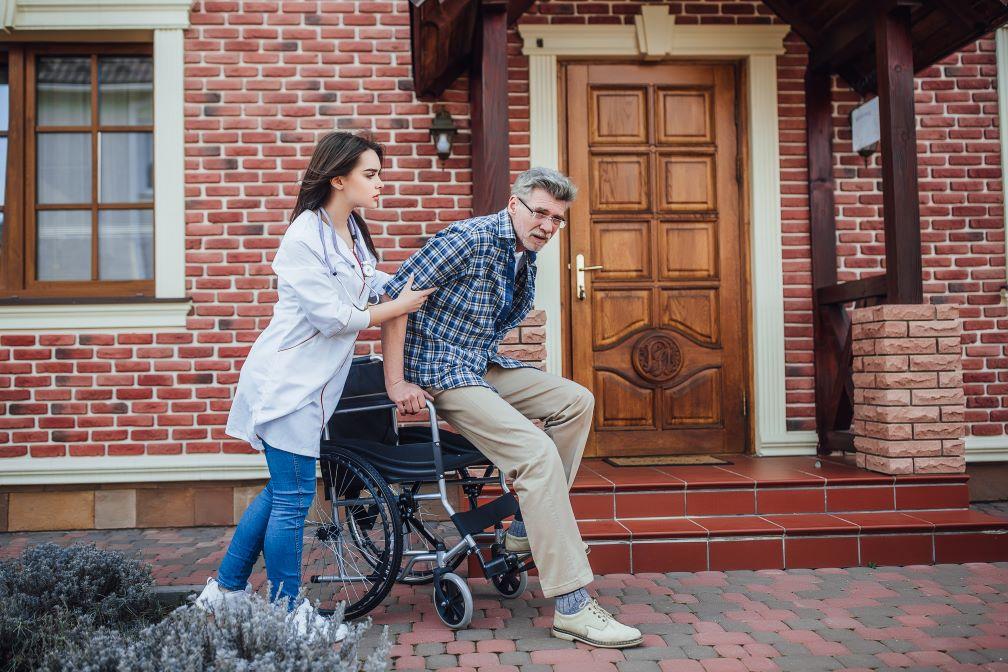
Home care has evolved far beyond simple assistance—it’s now a highly specialized field where trained professionals deliver tailored care directly in a person’s home. Home care specialists are individuals with specific expertise in providing physical, emotional, and sometimes medical support to people who need help with daily living. They are not just helpers; they are skilled professionals who understand the complexities of aging, chronic illness, disability, and recovery.
Think of them as a bridge between independence and full-time institutional care. Instead of moving into a facility, individuals can stay in the comfort of their own home while receiving expert-level care. This shift has become increasingly important in recent years as more families prioritize dignity, familiarity, and personalized attention over traditional care settings. The demand for home care specialists has surged globally, driven by aging populations and a growing preference for home-based healthcare solutions.
Definition and Role
At their core, home care specialists are trained professionals who provide customized care plans based on an individual’s unique needs. Their role can range from assisting with basic daily tasks like bathing and dressing to delivering advanced care for conditions such as dementia or post-surgical recovery. Unlike general caregivers, specialists often have targeted training, certifications, or experience in specific areas of care.
Their responsibilities often include monitoring health conditions, ensuring medication compliance, supporting mobility, and offering emotional companionship. In many cases, they also act as a communication link between families and healthcare providers, ensuring continuity of care. This multifaceted role makes them an essential part of modern healthcare systems.
Why They Are Essential Today
Why are home care specialists becoming so crucial? The answer lies in a simple but powerful trend: people are living longer, but not always healthier. Chronic conditions such as diabetes, heart disease, and dementia are on the rise, requiring consistent and specialized care. At the same time, hospitals and care facilities are becoming more expensive and often overcrowded.
Home care specialists offer a practical and compassionate solution. They reduce hospital readmissions, improve quality of life, and provide families with peace of mind. In a world where time is limited and healthcare systems are stretched, these professionals fill a critical gap by delivering high-quality care where it matters most—at home.
Types of Home Care Specialists
Personal Care Specialists
Personal care specialists focus on assisting individuals with activities of daily living (ADLs). This includes bathing, grooming, dressing, toileting, and mobility support. While these tasks may seem simple, they require sensitivity, respect, and proper training to ensure the individual’s dignity is maintained at all times.
These specialists are often the first step for families entering the world of home care. They provide essential support that allows individuals to maintain independence while staying safe. Over time, their role can expand as the individual’s needs evolve, making them a cornerstone of long-term care planning.
Dementia Care Specialists
Caring for someone with dementia is not just about physical support—it’s about understanding behavior, memory loss, and emotional changes. Dementia care specialists are trained to handle the unique challenges associated with conditions like Alzheimer’s disease.
They use techniques such as memory stimulation, routine building, and behavioral management to create a safe and supportive environment. Their expertise helps reduce confusion, anxiety, and agitation, which are common in dementia patients. For families, having a specialist in this area can be life-changing, as it ensures their loved one receives compassionate and informed care.
Palliative Care Specialists
Palliative care specialists focus on improving quality of life for individuals with serious or life-limiting illnesses. Their approach is holistic, addressing not just physical symptoms but also emotional, psychological, and spiritual needs.
They work closely with families to manage pain, provide comfort, and support decision-making during difficult times. This type of care is deeply personal and requires a high level of empathy and expertise. It’s not just about extending life—it’s about enhancing the quality of the time that remains.
Live-In Care Specialists
Live-in care specialists provide round-the-clock support, staying in the individual’s home to ensure continuous care. This is ideal for individuals who require constant supervision or assistance, such as those with advanced conditions or mobility issues.
While this option can be more expensive, it offers unmatched convenience and peace of mind. Families can rest easy knowing that their loved one is never alone and always has access to immediate support.
Services Provided by Home Care Specialists
Daily Living Assistance
One of the primary roles of home care specialists is helping individuals with everyday tasks. These include cooking meals, cleaning, running errands, and assisting with personal hygiene. While these activities may seem routine, they are essential for maintaining a healthy and comfortable lifestyle.
By taking over these responsibilities, specialists allow individuals to focus on what truly matters—enjoying life and staying connected with loved ones. It’s about creating an environment where independence is supported rather than restricted.
Medical and Nursing Support
Some home care specialists are trained to provide medical care, such as administering medications, monitoring vital signs, and managing chronic conditions. This level of care often requires certification or licensing, depending on the region.
Having medical support at home reduces the need for frequent hospital visits and ensures that health issues are addressed promptly. It also provides a sense of security for both the individual and their family.
Emotional and Social Care
Care is not just physical—it’s deeply emotional. Loneliness and isolation are common challenges, especially for seniors. Home care specialists play a vital role in providing companionship, engaging in conversations, and encouraging social interaction.
This emotional support can significantly improve mental health and overall well-being. Sometimes, a simple conversation or shared activity can make a world of difference.
Qualifications and Skills of Home Care Specialists
Professional Training
Most home care specialists undergo formal training programs that cover areas such as personal care, first aid, and basic medical procedures. Some may also hold certifications in specialized fields like dementia care or palliative care.
These qualifications ensure that they are equipped to handle a wide range of situations, from routine tasks to emergencies. When choosing a specialist, verifying their credentials is essential to ensure quality care.
Soft Skills That Matter
Technical skills are important, but soft skills are what truly set great home care specialists apart. Compassion, patience, communication, and adaptability are critical in this field.
Imagine inviting someone into your home to care for a loved one—you want someone who is not only skilled but also kind and understanding. These human qualities are what transform good care into exceptional care.
Benefits of Hiring Home Care Specialists
Personalized Care
Unlike institutional settings, home care offers a highly personalized approach. Care plans are tailored to meet individual needs, preferences, and routines. This level of customization leads to better outcomes and greater satisfaction.
Comfort of Home Environment
There’s no place like home. Being in a familiar environment can significantly improve emotional well-being and reduce stress. Home care specialists make it possible to receive professional care without leaving that comfort behind.
Costs of Hiring Home Care Specialists
Average Pricing Models
Home care specialists are typically paid on an hourly, daily, or live-in basis. Costs can vary widely depending on the level of care required and location. On average, hourly rates range between $25 and $40 in many developed countries.
Factors Affecting Cost
Several factors influence pricing, including the specialist’s experience, the complexity of care, and the number of hours required. Understanding these factors helps families make informed decisions and plan their budgets effectively.
Home Care Specialists vs Caregivers
Key Differences
While all specialists are caregivers, not all caregivers are specialists. The key difference lies in training and expertise. Specialists have advanced knowledge in specific areas, making them better suited for complex care needs.
How to Choose the Right Home Care Specialist
Questions to Ask
Choosing the right specialist requires careful consideration. Ask about their experience, qualifications, and approach to care. Don’t hesitate to request references or conduct interviews.
Red Flags to Avoid
Be cautious of vague answers, lack of certification, or poor communication. Trust your instincts—if something feels off, it probably is.
Future Trends in Home Care Services
The future of home care is being shaped by technology, innovation, and changing demographics. From remote health monitoring to AI-assisted care planning, the industry is evolving rapidly. These advancements are making care more efficient, accessible, and personalized than ever before.
Conclusion
Home care specialists are redefining how we think about care. They bring expertise, compassion, and flexibility into the home, offering a powerful alternative to traditional care settings. As demand continues to grow, their role will only become more important in shaping the future of healthcare.
FAQs
1. What does a home care specialist do?
They provide personalized in-home care, including daily assistance, medical support, and emotional companionship.
2. How are home care specialists different from caregivers?
Specialists have advanced training and expertise in specific care areas, while general caregivers may not.
3. How much do home care specialists cost?
Costs vary but typically range from $25 to $40 per hour depending on location and services.
4. Do home care specialists provide medical care?
Some do, especially those with nursing or specialized medical training.
5. How do I choose the best home care specialist?
Look for qualifications, experience, strong communication skills, and positive references.

 عربي
عربي