


 SPARK Website
How to Use Social Media Stories to Educate Clients on Realistic Stain Expectations
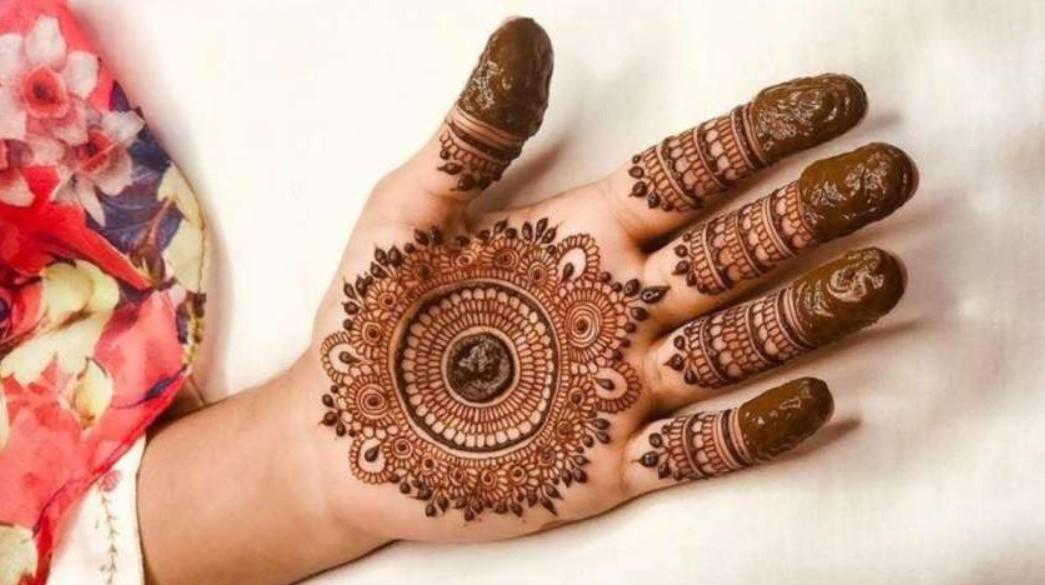
In the visually driven world of body art, managing client expectations is often the most challenging part of the job. For henna artists, the gap between a fresh paste application and the final mature stain can lead to confusion if not communicated properly. Social media, particularly the "Stories" feature on platforms like Instagram and Facebook, provides a dynamic and ephemeral way to bridge this gap. By utilizing these short-form updates, artists can take their followers on a journey from the initial design to the deep mahogany result.
The Power of Real-Time Progression series
One of the most effective ways to use Stories is through a "Day 1 to Day 3" progression series. High-quality photography of a fresh design is beautiful, but it doesn’t tell the whole story. By posting a clip of the paste being applied, followed by the "orange" stage after paste removal, and finally the mature dark stain 48 hours later, you provide a visual roadmap for your clients. This transparency builds immense trust. When a client sees the transition in real-time on your profile, they are less likely to panic when their own design looks light immediately after removal.
Interactive Q&A for Stain Chemistry Simplified
Stories offer interactive tools like polls, sliders, and Q&A boxes that are perfect for breaking down the science of henna. You can use these features to ask followers if they know why henna stains darker on the palms than on the forearms. Following up the poll with a brief explanation about skin thickness and heat helps manage expectations before a client even books an appointment. If they understand that the stain depends on their own body chemistry and aftercare, they take more responsibility for the results.
Showcasing the Impact of Aftercare via Video
A common mistake clients make is washing the paste off with water or failing to keep the area warm. Use your Stories to demonstrate proper aftercare techniques visually. You can film yourself applying a lemon-sugar sealant or wrapping a design in breathable medical tape. Seeing these steps in action is far more impactful than reading a printed aftercare card.
You can even create a "Story Highlight" titled "Aftercare" so that it remains a permanent resource for your clients. This proactive education reduces the number of "Why is my henna fading?" messages in your inbox. Mastering these preservation techniques is a vital part of any high-quality henna course, ensuring that the artist’s hard work survives long enough to reach its full color potential.
Addressing Myths and "Instant" Henna Dangers
Social media is unfortunately full of "instant black henna" which is often loaded with dangerous chemicals like PPD. As a professional, you can use your Stories to educate your audience on the dangers of these products compared to natural, safe henna. Show the difference in the application process and the resulting stain colors.
By highlighting the slow, natural darkening process of real henna, you teach your clients to value safety over speed. This ethical approach to body art is emphasized in every reputable henna course online, where the health of the client’s skin is always the top priority. When you educate your followers on what a "realistic" stain looks like, you are also protecting them from harmful alternatives.
Using Behind-the-Scenes Content to Validate Pricing
When clients see the preparation that goes into a single batch of henna—sifting the powder, mixing it with essential oils, and letting the dye release—they begin to understand the value of your service. Use your Stories to show the "kitchen" side of your business. Documenting the 24-hour dye-release process reinforces the idea that henna is a slow, natural, and artisanal product. This transparency justifies your pricing and reinforces the expectation that the stain will also take time to develop.
Conclusion: Turning Followers into Educated Clients
Ultimately, social media Stories are more than just a marketing tool; they are a classroom. By consistently showing the reality of the henna journey—from the green paste to the bright orange smudge and finally the deep chocolate brown stain—you curate a client base that is informed and appreciative. This reduces stress for both the artist and the client, leading to better reviews and more referrals. The ability to communicate these technical details effectively is what separates a professional from the rest.

 عربي
عربي