


 SPARK Website
Copper Glycinate Production Cost Analysis: Key Factors Influencing Manufacturing Economics
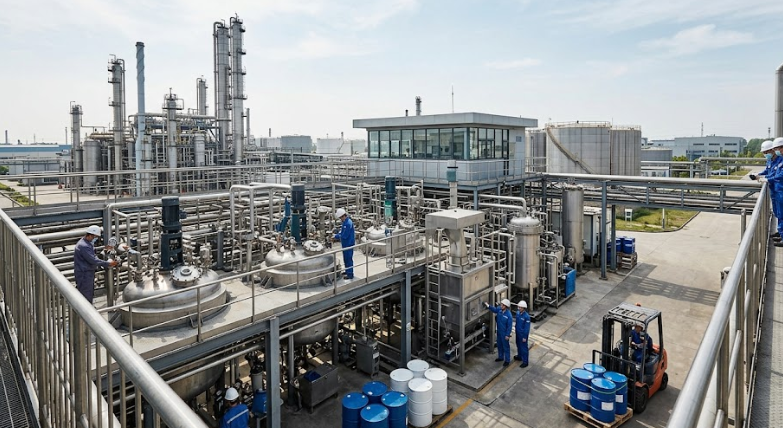
Understanding copper glycinate production cost analysis is increasingly critical for chemical manufacturers, procurement teams, and investors navigating a volatile global market. With rising demand for bioavailable mineral supplements across pharmaceuticals, nutraceuticals, and animal nutrition sectors, copper glycinate has emerged as a valuable compound.
At the same time, manufacturers are facing:
- Supply chain disruptions
- Fluctuating raw material prices
- Energy cost volatility
- Regulatory pressures
These factors directly influence copper glycinate manufacturing cost, making detailed cost analysis essential for strategic planning, sourcing, and investment decisions.
Overview of Copper Glycinate Manufacturing
Copper glycinate is a chelated compound formed by reacting copper salts with glycine (an amino acid). Its high bioavailability makes it widely used in dietary supplements and fortified products.
Industrial Production Process
The typical manufacturing process involves:
- Raw Material Preparation
- Copper salts (such as copper sulfate or copper chloride)
- Glycine
- Chelation Reaction
- Controlled reaction between copper ions and glycine under specific pH and temperature conditions
- Neutralization and Stabilization
- Adjustment of reaction parameters to ensure optimal chelate formation
- Filtration and Purification
- Removal of impurities and unreacted materials
- Drying and Packaging
- Spray drying or crystallization to obtain the final product
Key Technologies Used
- Batch or continuous stirred tank reactors
- Filtration systems
- Drying units (spray dryers or vacuum dryers)
- Process control systems for pH and temperature regulation
The efficiency of these technologies significantly impacts the cost of producing copper glycinate.
Key Raw Materials and Inputs
Raw material selection and pricing are among the most important determinants of copper glycinate plant cost.
Primary Inputs
- Copper Salts
The main cost contributor, influenced by global copper prices - Glycine
A widely available amino acid, but price fluctuations can impact overall cost - Water and Solvents
Used in reaction and purification stages - Catalysts/Additives
Occasionally used to enhance reaction efficiency
Utilities and Energy
- Electricity for mixing, drying, and filtration
- Steam for heating processes
- Cooling systems for reaction control
Impact on Production Cost
Variations in feedstock pricing directly affect:
- Unit production cost
- Profit margins
- Pricing strategies for downstream markets
A detailed raw material cost analysis is therefore essential in evaluating manufacturing economics.
Major Cost Drivers in Production
The copper glycinate production cost analysis typically includes several cost components:
1. Raw Material Costs
- Often account for the largest share (50–70%)
- Driven by copper market trends and amino acid supply
2. Energy Consumption
- Significant in drying and reaction stages
- Sensitive to regional energy price fluctuations
3. Labor Costs
- Skilled labor required for process control and quality assurance
- Varies by geography
4. Plant Maintenance
- Regular maintenance of reactors, dryers, and filtration systems
- Impacts long-term operational efficiency
5. Transportation and Logistics
- Raw material sourcing costs
- Distribution expenses for finished products
Market Influence on Costs
- Commodity price cycles affect copper salt pricing
- Supply-demand imbalances influence glycine costs
- Energy crises can significantly increase operational expenses
These factors collectively shape the industrial production cost of copper glycinate.
Regional Cost Differences
The cost of producing copper glycinate varies significantly across regions due to differences in infrastructure, regulations, and resource availability.
North America
- Higher labor and compliance costs
- Stable but relatively high energy prices
- Advanced manufacturing infrastructure
Europe
- Stringent environmental regulations
- Higher operational and energy costs
- Strong focus on sustainable production
Asia (China, India, Southeast Asia)
- Lower labor costs
- Competitive raw material sourcing
- Rapidly expanding production capacity
Middle East
- Lower energy costs
- Emerging chemical manufacturing hubs
- Strategic location for export markets
Key Influencing Factors
- Energy pricing structures
- Environmental and safety regulations
- Plant scale and efficiency
- Availability of feedstock
Understanding these regional variations is crucial for companies planning new facilities or optimizing supply chains.
Impact of Market Trends on Production Economics
Several macroeconomic and industry-specific trends are reshaping copper glycinate manufacturing cost structures.
1. Green Manufacturing Initiatives
- Adoption of cleaner production technologies
- Increased capital expenditure but long-term cost savings
2. Decarbonization Pressure
- Shift toward energy-efficient processes
- Carbon compliance costs impacting operations
3. Supply Chain Localization
- Reducing dependency on imports
- Increasing regional production investments
4. Energy Transition
- Integration of renewable energy sources
- Impact on long-term energy cost stability
These trends are influencing both short-term costs and long-term manufacturing economics.
Why Detailed Production Cost Intelligence Matters
For stakeholders across the value chain, access to accurate chemical plant cost analysis is essential.
Key Use Cases
- Manufacturers:
Optimize process efficiency and reduce operational expenses - Procurement Teams:
Develop cost-effective sourcing strategies - Investors:
Evaluate project feasibility and return on investment - Industrial Planners:
Assess plant location and scale decisions
Without detailed cost intelligence, companies risk:
- Underestimating capital requirements
- Misjudging market competitiveness
- Facing margin pressures
Copper Glycinate Production Cost Report: A Strategic Resource
A comprehensive Copper Glycinate Production Cost Report provides in-depth insights into the full cost structure of manufacturing.
Such reports typically include:
- Detailed raw material consumption analysis
- Process flow diagrams and technology insights
- Capital investment (CAPEX) estimates
- Operating cost (OPEX) breakdown
- Profitability and margin analysis
- Regional cost benchmarking
For companies evaluating new projects or optimizing existing operations, these reports serve as a critical decision-making tool, enabling a clearer understanding of copper glycinate plant cost and long-term economic viability.
Final
In an increasingly competitive and cost-sensitive chemical market, understanding copper glycinate production cost is no longer optional—it is a strategic necessity.
Key takeaways include:
- Raw materials and energy remain the dominant cost drivers
- Regional dynamics significantly influence manufacturing economics
- Market trends such as sustainability and energy transition are reshaping cost structures
- Data-driven insights are essential for informed decision-making

 عربي
عربي