


 SPARK Website
Surgical Tooth Extraction: Recovery, Cost & What to Expect
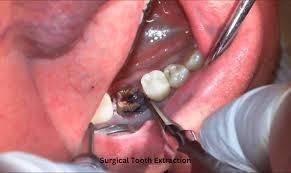
Most people hope a tooth problem can be fixed with a simple filling or regular extraction. But sometimes, a tooth is stubborn — trapped under the gums, badly broken, or too damaged to remove easily. That’s when a surgical tooth extraction may be needed.
Hearing the word “surgical” can sound intimidating, but the procedure is actually very common. Oral surgeons and dentists perform thousands of these extractions every day using modern techniques designed to reduce pain and speed up recovery.
If your dentist recently recommended a surgical extraction, this guide will help you understand the process, recovery, costs, and what you can expect before and after treatment.
What Is a Surgical Tooth Extraction?
A surgical tooth extraction is a procedure used to remove a tooth that cannot be pulled out easily with standard dental tools.
Unlike a simple extraction, this procedure may involve:
-
Making a small incision in the gum
-
Removing bone around the tooth
-
Cutting the tooth into smaller pieces
-
Using stitches after removal
It’s commonly performed by an oral surgeon or experienced dentist under local anesthesia or sedation.
When Is Surgical Tooth Extraction Needed?
Not every tooth requires surgery to remove. Dentists usually recommend surgical extraction for more complex cases.
Common Reasons Include:
Impacted Wisdom Teeth
Wisdom teeth often become trapped beneath the gums or grow sideways.
This can lead to:
-
Pain
-
Swelling
-
Infection
-
Pressure on nearby teeth
Broken Teeth
If a tooth breaks near the gum line, there may not be enough visible structure to pull it normally.
Severe Tooth Decay
Sometimes a tooth becomes too damaged or fragile for a standard extraction.
Curved or Deep Roots
Some teeth have unusual root shapes that make removal more difficult.
Overcrowding Before Braces
Orthodontists may recommend extraction to create space for proper alignment.
What Happens During Surgical Tooth Extraction?
The procedure may sound complicated, but it usually follows a straightforward process.
Step 1: Examination and X-Rays
Your dentist or oral surgeon will examine the tooth and take X-rays to understand its position and roots.
Step 2: Anesthesia or Sedation
You’ll receive local anesthesia to numb the area.
Some patients also choose:
-
IV sedation
-
Nitrous oxide (laughing gas)
-
General anesthesia
This helps reduce anxiety and discomfort during the procedure.
Step 3: Gum Incision
The surgeon may make a small cut in the gum to access the tooth.
Step 4: Tooth Removal
In some cases, the tooth is removed in smaller sections to make extraction easier and protect nearby bone.
Think of it like removing a large couch through a small doorway — sometimes it’s easier in pieces.
Step 5: Cleaning and Stitches
After the tooth is removed, the area is cleaned and stitched if necessary.
A gauze pad is placed over the site to help stop bleeding.
Is Surgical Tooth Extraction Painful?
This is usually the first question patients ask.
The procedure itself is typically not painful because the area is fully numbed. You may feel pressure or movement, but sharp pain is uncommon.
After surgery, mild discomfort and swelling are normal for a few days.
Most patients manage recovery with:
-
Pain medication
-
Ice packs
-
Rest
-
Soft foods
Recovery After Surgical Tooth Extraction
Recovery is one of the most important parts of healing.
Most people start feeling better within a few days, although complete healing can take a couple of weeks.
Common Symptoms After Surgery
You may notice:
-
Mild swelling
-
Jaw soreness
-
Minor bleeding
-
Difficulty opening the mouth fully
These symptoms usually improve gradually.
Tips for Faster Healing
Rest for the First 24 Hours
Avoid heavy lifting, exercise, or strenuous activity immediately after surgery.
Use Ice Packs
Applying ice to the outside of the face can help reduce swelling.
Eat Soft Foods
Good options include:
-
Yogurt
-
Mashed potatoes
-
Soup
-
Smoothies
-
Scrambled eggs
Avoid crunchy, spicy, or hard foods while healing.
Avoid Smoking and Straws
Smoking and sucking through straws can dislodge the blood clot and lead to dry socket — a painful complication.
Keep the Area Clean
Follow your dentist’s instructions carefully, including saltwater rinses if recommended.
Possible Risks and Complications
Surgical tooth extraction is generally safe, but like any procedure, there are some risks.
Potential complications include:
-
Dry socket
-
Infection
-
Swelling
-
Bleeding
-
Temporary numbness
-
Jaw stiffness
Choosing an experienced dental professional lowers the chances of complications.
How Much Does Surgical Tooth Extraction Cost?
Costs vary depending on the complexity of the extraction and your location.
Average Cost Estimates
|
Procedure |
Estimated Cost |
|
Simple surgical extraction |
$150–$400 |
|
Impacted wisdom tooth removal |
$250–$600 |
|
Sedation |
$100–$500 |
|
Emergency extraction |
Higher in some clinics |
Dental insurance may cover part of the procedure if medically necessary.
How to Know If You Need a Surgical Extraction
You may need a consultation if you experience:
-
Severe tooth pain
-
Swollen gums
-
Impacted wisdom teeth
-
Broken teeth
-
Repeated infections
-
Difficulty chewing
Ignoring these symptoms can lead to worsening pain and more complex treatment later.
Benefits of Surgical Tooth Extraction
Although no one looks forward to dental surgery, the benefits can be significant.
Patients often experience:
-
Pain relief
-
Reduced infection risk
-
Better oral health
-
Improved comfort while eating
-
Protection for surrounding teeth
Sometimes removing one problematic tooth can dramatically improve daily life.
Internal Linking Suggestions
You can also read:
-
“How to Recover Faster After Tooth Extraction”
-
“Signs Your Wisdom Teeth Need Removal”
-
“Best Soft Foods After Oral Surgery”
-
“Dry Socket: Causes, Symptoms & Prevention”
Recommended External Authority Sources
For trusted dental information, readers can explore:
-
American Dental Association (ADA)
-
Mayo Clinic
Conclusion
A surgical tooth extraction may sound overwhelming at first, but it’s a routine procedure designed to remove problematic teeth safely and effectively. Whether you’re dealing with impacted wisdom teeth, severe decay, or a broken tooth, modern dental surgery can provide lasting relief and protect your overall oral health.
The key to a smooth experience is simple: follow your dentist’s instructions, allow yourself time to heal, and don’t ignore warning signs before treatment becomes more serious.
In many cases, taking care of the problem early means less pain, faster recovery, and a healthier smile in the long run.
FAQs
How long does surgical tooth extraction take?
Most procedures take between 30 minutes and one hour, depending on the complexity of the tooth removal.
Can I drive after surgical tooth extraction?
If you receive sedation or general anesthesia, you’ll usually need someone to drive you home.
What foods can I eat after surgery?
Soft foods like yogurt, mashed potatoes, soup, smoothies, and eggs are recommended during recovery.
How long does swelling last after surgical tooth extraction?
Swelling usually peaks within 48 hours and improves over the next few days.
What is dry socket after tooth extraction?
Dry socket happens when the protective blood clot becomes dislodged, exposing the bone underneath and causing pain.

 عربي
عربي