


 SPARK Website
Thermal Intelligence: The Strategic Evolution of Fireground Operations in 2026
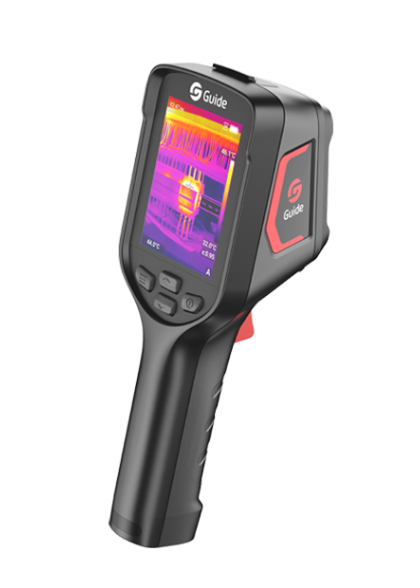
In the high-stakes environment of modern emergency response, the integration of cutting-edge optical technology has fundamentally transformed tactical operations. A handheld thermal imaging camera for firefighting serves as a vital diagnostic tool, allowing responders to visualize heat signatures through dense smoke and complete darkness. By converting infrared radiation into a visible map of temperature gradients, these devices provide a comprehensive view of the fireground that the naked eye simply cannot perceive. This real-time visual data allows for a more informed assessment of structural conditions and fire dynamics, ensuring that teams can navigate hazardous environments with a higher degree of situational awareness and strategic confidence.
The Physics of Heat Detection in Zero-Visibility
The journey of infrared technology from specialized military applications to a standard requirement in municipal fire departments is a testament to its life-saving utility. Early thermal sensors were bulky and difficult to maneuver, but modern advancements have led to incredibly compact, lightweight designs that do not hinder a firefighter's mobility. These tools operate by detecting the long-wave infrared energy emitted by objects, which is then processed into a high-contrast image where hotter areas appear bright and cooler areas appear dark.
This visual clarity is essential when operating in complex structural environments. In a standard structure fire, thick, toxic smoke can completely obscure a responder's vision, leading to disorientation. Thermal sensors bypass this obstacle entirely, as infrared waves penetrate smoke particles far more effectively than visible light. This allows the user to identify exit points, structural obstacles, and the exact seat of the fire, streamlining the suppression process and protecting the integrity of the building.
Rapid Search and Rescue Interventions
Search and rescue remains the most critical mission for any firefighting team, and thermal imaging is the primary force multiplier in these efforts. When seconds matter, the ability to quickly scan a room for the heat signature of a person is a significant advantage. A human body typically stands out clearly against the thermal background of a cooler room or even a heated environment, as the sensor can distinguish minute temperature differences.
The strategic application of water and suppression agents is further optimized through the use of an infrared thermal camera for firefighting. By visualizing the thermal intensity of different surfaces, incident commanders can direct streams more effectively, ensuring that cooling is applied to the areas with the highest heat flux. This precision helps in preventing flashovers—a catastrophic event where all combustible materials in a room ignite simultaneously—by allowing teams to cool the overhead gas layers before they reach critical temperatures.
Post-Fire Overhaul and Structural Integrity
Firefighting equipment must be engineered to withstand some of the most punishing conditions on Earth. Professional thermal cameras are built with high-durability polymers and heat-resistant glass to ensure they remain functional in ambient temperatures exceeding several hundred degrees. They are also designed to be completely waterproof and shock-resistant, maintaining calibration even after being exposed to high-pressure hose streams or accidental drops.
During the overhaul phase—the process of searching for hidden fire after the main blaze is extinguished—thermal imaging is indispensable. Embers can smolder behind drywall or within attic insulation for hours, posing a risk of re-ignition. An infrared sensor allows firefighters to identify these hot spots through the wall surface. This targeted approach prevents unnecessary property damage, as responders only need to open the specific sections of the structure where heat is detected, rather than performing a destructive search of the entire building.
Personnel Safety and Team Accountability
The safety of the crew is the highest priority on any fireground. Incident commanders utilize thermal data to monitor the movement of their teams and assess the safety of the environment they are entering. For example, a thermal scan can reveal the heat levels behind a closed door, warning a team of a potential backdraft scenario before they attempt entry. It can also identify thermal layering, helping responders understand the temperature of the gases hovering above their heads.
Furthermore, thermal imaging assists in monitoring the physical condition of the firefighters themselves. By observing the thermal signature of a team member's personal protective equipment (PPE), a safety officer can identify if someone is becoming dangerously overheated. This proactive monitoring allows for better rotation of personnel and ensures that no one is pushed beyond their physiological limits, significantly reducing the risk of heat-related injuries.
The Versatility of firefighting thermal cameras in Diverse Scenarios
While structure fires are a primary application, the versatility of firefighting thermal cameras extends to a wide array of emergency scenarios. In hazardous materials (HazMat) incidents, these cameras can identify the liquid levels inside opaque tanks or detect gas leaks that are undergoing an endothermic or exothermic reaction. This information is vital for determining the stability of a chemical container and planning a safe mitigation strategy.
In wildland firefighting, thermal technology is used to map the fire perimeter through heavy forest canopy and identify "hot edges" that could lead to further spread. It is also a key tool in motor vehicle accidents, where it can be used to scan the surrounding area for victims who may have been ejected from a vehicle, or to identify overheated components in an electric vehicle battery pack. This versatility makes the thermal camera one of the most cost-effective and essential investments a modern department can make.
Battery Reliability and Ergonomic Operation
In a long-duration incident, the reliability of the power source is paramount. Modern cameras are equipped with high-capacity lithium-ion batteries that provide several hours of continuous operation. Many models also feature "hot-swap" capabilities, allowing a firefighter to change the battery without losing the image or needing to restart the device. This ensures that the tool is always ready for action when the situation intensifies and visibility drops to zero.
Ergonomics also play a vital role in the effectiveness of the tool. Cameras are designed to be operated with heavy gloved hands, featuring large, intuitive buttons and clear displays that remain legible even in bright sunlight. Some systems are even integrated directly into the firefighter's breathing apparatus (SCBA) mask, providing a hands-free "heads-up display" of the thermal environment. This allows the responder to keep both hands free for tools or victim handling while maintaining a constant thermal view.
Tactical Training and Post-Incident Analysis
The integration of thermal imaging into a department's workflow requires dedicated training. Firefighters must learn how to interpret thermal signatures accurately, understanding that different materials reflect heat in different ways. For instance, a glass window might reflect the heat of the firefighter, appearing as a "hot spot" that could be misinterpreted as a fire. Certified training programs ensure that responders can distinguish between genuine threats and harmless thermal reflections.
Additionally, the ability to record video and capture still images is a major benefit for post-incident analysis and training. By reviewing thermal footage of an operation, departments can evaluate their tactics, identify areas for improvement, and use the data to train new recruits. This digital documentation also serves as a valuable record for insurance purposes and legal investigations, providing an objective visual account of the conditions faced by the responders.
Community Risk Reduction and Property Preservation
Beyond the immediate goal of life safety, thermal imaging is a powerful tool for property conservation. By identifying the exact location of fire and heat, departments can minimize the amount of water used during suppression. Excessive water usage often causes more damage to a home or business than the fire itself. Thermal precision allows for "surgical" firefighting, where water is applied only where it is needed most, preserving the structural components and personal belongings of the citizens.
In commercial and industrial settings, thermal scans can be used as part of a fire prevention program. Departments can perform routine inspections of electrical rooms and machinery, identifying overheating components before they cause a fire. This proactive community risk reduction strategy protects local businesses and infrastructure, demonstrating the value of fire services beyond emergency response.
Future Horizons in Infrared Sensing
The future of thermal technology in the fire service is incredibly bright. We are seeing the rise of "smart" thermal systems that utilize artificial intelligence to automatically highlight victims or identify exit signs. We are also seeing the increased use of drone-mounted thermal cameras, which provide incident commanders with a "bird's eye view" of the fireground. This perspective is invaluable for managing large-scale incidents, such as warehouse fires or forest blazes.
As sensor technology continues to shrink in size and cost, it is becoming feasible for every individual firefighter to carry a personal thermal imager. This "one-imager-per-firefighter" concept represents the ultimate goal in fireground safety, ensuring that every member of the team has the ability to see through the smoke and navigate safely. By embracing these technological advancements, fire departments are ensuring that they are better equipped than ever to protect their communities and their personnel.

 English