


 SPARK Website
Sustainable Air Quality Management for High-Capacity Power Plants
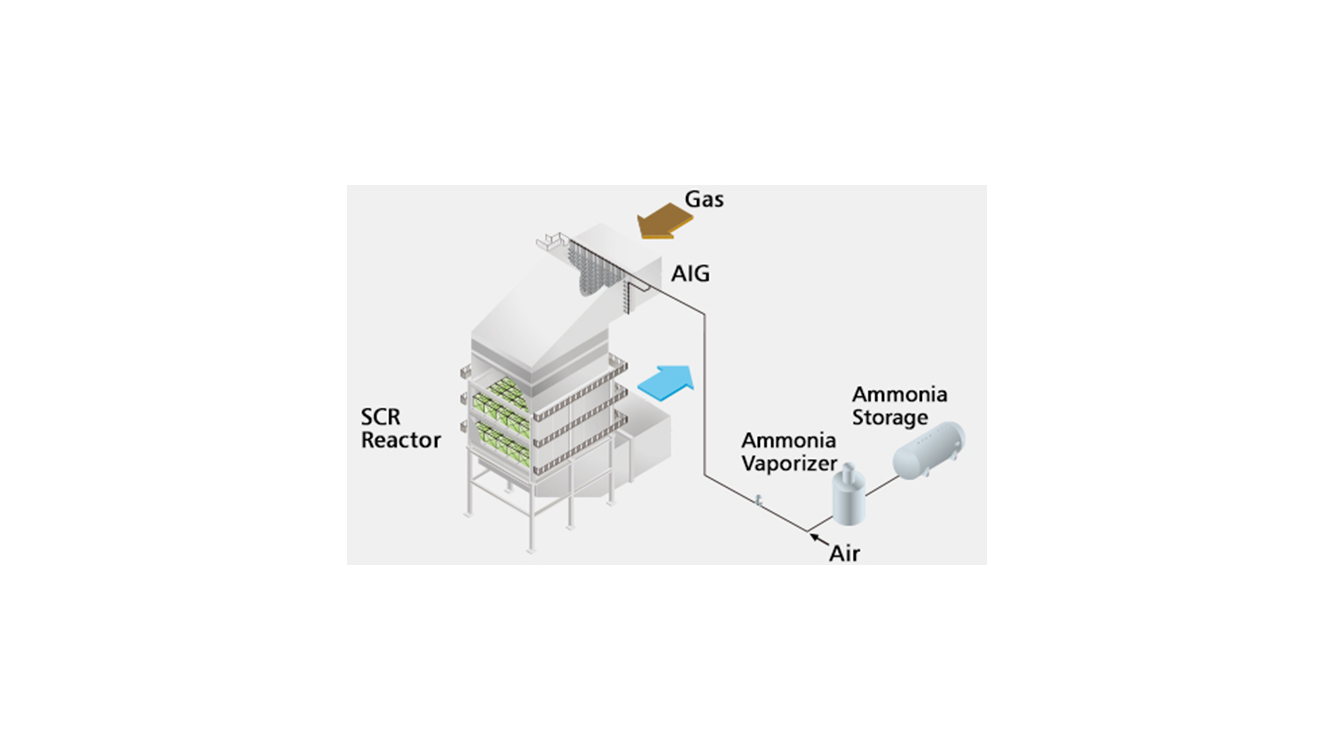
Maintaining the environmental integrity of a large-scale utility project requires the seamless integration of advanced chemical treatment systems. A high-performance denox system for power plant operations is the primary technical solution for reducing nitrogen oxide ($NO_x$) emissions generated during the combustion process. These systems are designed to transform hazardous exhaust gases into harmless nitrogen and water vapor through controlled chemical reduction. By achieving consistent removal efficiencies, industrial operators can ensure their facilities meet global air quality standards while providing a stable and reliable supply of energy to the grid.
Selective Catalytic Reduction and Thermal Efficiency
Selective Catalytic Reduction (SCR) remains the most effective technology for heavy industrial applications. In this process, a reducing agent—typically ammonia or urea—is injected into the hot flue gas stream before it passes through a series of specialized catalyst layers. The catalyst facilitates a reaction that breaks down $NO_x$ molecules with high precision at temperatures between 300°C and 400°C. The engineering of the SCR reactor must account for gas velocity and temperature distribution to maximize the reaction rate while preventing "ammonia slip," which occurs when unreacted chemicals exit the system.
Engineering Standards and Partner Selection
The reliability of a power station’s emission control island is heavily dependent on the engineering expertise of the equipment designer. A specialized power plant denox system supplier provides the critical computational fluid dynamics (CFD) modeling required to optimize the flue gas path. These systems are custom-built to integrate into the plant's existing infrastructure, whether as a new installation or a complex retrofit. High-quality materials and robust structural design ensure that the reactors can withstand the corrosive and abrasive nature of industrial exhaust over decades of continuous operation.
Implementation of Ultra-High-Efficiency Desox Systems
To address the challenges of sulfur-based pollutants, modern facilities utilize ultra-high-efficiency desox systems that target sulfur dioxide ($SO_2$) with extreme accuracy. Wet Flue Gas Desulfurization (WFGD) is the industrial standard, utilizing a limestone slurry to scrub the flue gas as it rises through an absorber tower. These systems are capable of achieving $SO_2$ capture rates exceeding 98%, effectively eliminating the precursors to acid rain. This process also generates high-purity synthetic gypsum, which serves as a valuable raw material for the building and construction industries.
Digital Integration and Reagent Management
Modern "Green Island" configurations are managed via a Distributed Control System (DCS) that utilizes real-time feedback from Continuous Emissions Monitoring Systems (CEMS). This digital oversight allows the system to adjust reagent injection rates instantaneously as the boiler load fluctuates. By maintaining the exact ratio of reagent to pollutant, the plant ensures constant compliance with environmental permits while minimizing the operational expense of chemical consumables. This automated precision is essential for avoiding environmental penalties and ensuring the long-term sustainability of the facility.
Holistic "Green Island" Coordination
The most efficient power plants treat DeNOx, DeSOx, and particulate removal as a unified, synergistic system. By coordinating the temperature and pressure across these distinct sections, the plant can optimize heat recovery—such as using residual flue gas energy to preheat incoming combustion air. This holistic approach reduces the overall "parasitic" power load required to run the environmental equipment, ensuring that the plant achieves its ecological targets without compromising its net thermal efficiency or total power output.
System Longevity and Catalyst Management
The long-term performance of a DeNOx reactor is determined by the proactive management of its catalyst layers. Over time, catalysts can become deactivated by chemical trace elements or physically masked by fine fly ash. A strategic maintenance schedule, including periodic soot blowing and catalyst activity audits, allows operators to monitor the health of the system. By employing a staggered replacement strategy for catalyst layers during planned outages, facilities can maintain peak emission performance and avoid the high costs associated with unscheduled downtime or total catalyst failure.
How does the DeNOx system react to different fuel types?
Coal-fired plants often require "high-dust" SCR configurations with larger catalyst openings to prevent ash buildup. In contrast, gas-fired plants can use more compact catalyst designs because the exhaust contains significantly fewer particulates.
What are the primary benefits of high-efficiency DeSOx?
Beyond preventing acid rain, ultra-high-efficiency DeSOx systems protect downstream equipment from sulfuric acid corrosion. The production of gypsum also provides a sustainable way to handle waste, turning it into a commercial asset for the facility.

 عربي
عربي