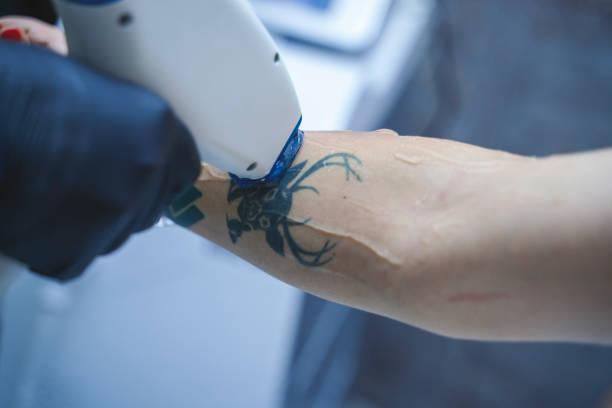
Laser tattoo removal is based on a precise scientific process that targets ink particles beneath the skin without harming surrounding tissue. The laser emits concentrated light energy that penetrates the skin and is absorbed by tattoo pigment. Once absorbed, this energy causes the ink to break down into much smaller fragments that the body can naturally eliminate over time.
Laser tattoo removal in Riyadh (إزالة الوشم بالليزر في الرياض) is performed using advanced dermatological laser systems designed to safely target different ink colors and skin types with high precision and controlled energy delivery.
- Uses focused light energy to target ink only
- Breaks pigment into microscopic fragments
- Relies on the body’s immune system for clearance
- Protects surrounding skin tissue from damage
In modern cosmetic dermatology, Laser tattoo removal in Riyadh has become a widely trusted method due to its ability to selectively break down pigment while minimizing scarring and skin complications.
The Science of Laser Interaction with Tattoo Ink
Selective Photothermolysis Explained
- Laser targets specific pigment colors in the skin
- Ink absorbs light energy while skin absorbs less
- Heat and energy cause pigment breakdown
- Surrounding tissue remains mostly unaffected
This process is known as selective photothermolysis, which allows lasers to focus only on tattoo ink while leaving nearby skin structures intact.
Why Ink Absorbs Laser Energy
- Tattoo ink particles act like light absorbers
- Dark colors absorb more energy than light colors
- Different pigments respond to different wavelengths
- Absorbed energy converts into heat and pressure
Step-by-Step Breakdown of Ink Particles
Step 1: Laser Penetration into the Skin
- Laser pulses pass through the epidermis
- Energy reaches the dermal layer where ink is stored
- Short bursts ensure controlled delivery
Step 2: Absorption of Light Energy
- Ink particles absorb laser wavelengths
- Energy builds up within pigment clusters
- Heat begins to destabilize ink structure
Step 3: Fragmentation of Pigment
- Ink particles shatter into smaller fragments
- High-intensity pulses create mechanical shockwaves
- Pigment becomes easier for the body to process
Step 4: Immune System Activation
- White blood cells identify broken ink particles
- Macrophages engulf pigment fragments
- Lymphatic system gradually removes waste
Role of the Body in Ink Removal
Natural Detoxification Process
- Body treats ink fragments as foreign material
- Immune system slowly clears pigment over weeks
- Lymphatic drainage carries particles away
Why Time Between Sessions Matters
- Body needs time to process broken ink
- Immediate re-treatment reduces effectiveness
- Healing allows better long-term fading
Types of Laser Technologies Used
Q-Switched Laser Technology
- Delivers high-energy pulses in nanoseconds
- Effective for dark and deep ink colors
- Commonly used in traditional tattoo removal
- Produces strong fragmentation effect
Pico Laser Technology
- Uses ultra-short picosecond pulses
- Creates stronger shockwaves in ink particles
- Breaks pigment into finer fragments
- Improves clearance of resistant colors
Both technologies are widely used in Laser tattoo removal in Riyadh depending on tattoo type, ink composition, and skin condition.
Why Different Colors Break Down Differently
Light Absorption Differences
- Black ink absorbs all wavelengths effectively
- Red, blue, and green absorb selectively
- Yellow and light colors reflect more energy
Chemical Composition of Ink
- Each color contains different pigments and metals
- Some compounds resist laser breakdown
- Synthetic inks may require more sessions
Depth of Ink Placement
- Deeper ink is harder to reach
- Layered tattoos slow down fragmentation
- Older tattoos may behave unpredictably
Biological Clearance of Ink Fragments
Role of Macrophages
- Specialized immune cells consume ink particles
- Transport pigment to lymphatic system
- Gradually reduce visible tattoo intensity
Lymphatic System Function
- Acts as body’s drainage network
- Removes waste and foreign particles
- Supports long-term fading process
Why Multiple Sessions Are Necessary
Gradual Breakdown Process
- Laser cannot remove all ink in one session
- Each treatment targets remaining pigment layers
- Progressive fading ensures skin safety
Skin Recovery Requirements
- Skin needs healing time between sessions
- Reduces risk of irritation or damage
- Enhances long-term treatment results
Factors That Influence Ink Breakdown Speed
Tattoo Characteristics
- Ink density affects laser response
- Color complexity slows down fading
- Professional tattoos may be deeper
Individual Body Response
- Strong immune systems remove ink faster
- Skin type influences healing speed
- Lifestyle habits impact recovery
Safety Mechanisms of Laser Treatment
Protection of Surrounding Skin
- Laser targets only pigment particles
- Skin absorbs minimal energy
- Cooling systems reduce irritation
Controlled Energy Delivery
- Adjustable wavelengths for different inks
- Precision targeting reduces side effects
- Minimizes risk of scarring
Booking Your Consultation
If you are considering tattoo removal and want to understand how laser technology can safely break down ink in your skin, a professional evaluation is essential. At Royal Clinic Saudia (عيادات رويال كلينك) specialists analyze your tattoo’s ink composition and skin type to design a customized treatment plan using advanced laser systems. This ensures a safe, controlled, and effective process tailored specifically to your needs.



 SPARK Website

 English