Urinary incontinence is a concern many women experience at different stages of life. It can affect daily routines, confidence, and comfort. The good news is that non-surgical options are available. Many individuals in Grande Prairie are turning to Female Pelvic Floor Physiotherapy Grande Prairie services to manage symptoms and improve bladder control in a structured and supportive way.
Clinics like Grande Prairie Pain & Physiotherapy Services offer personalized physiotherapy programs focused on pelvic health. Understanding how pelvic floor therapy works can help you decide if it is the right step for your situation.
What Is Urinary Incontinence?
Urinary incontinence refers to the loss of bladder control, which can range from occasional leaks to a more frequent concern. It is not limited to one age group and may occur due to various factors.
Common Types of Urinary Incontinence
- Stress incontinence – Leakage during activities like coughing, sneezing, or lifting
- Urge incontinence – A sudden, strong need to urinate followed by leakage
- Mixed incontinence – A combination of stress and urge symptoms
Each type may have different contributing factors, but many involve changes in pelvic floor muscle function.
How the Pelvic Floor Is Involved
The pelvic floor is a group of muscles that support the bladder, uterus, and bowel. These muscles help control the release of urine by contracting and relaxing at the right time.
When the pelvic floor is not functioning properly, it can lead to:
- Reduced support for the bladder
- Difficulty controlling urine flow
- Increased pressure on surrounding structures
Female Pelvic Floor Physiotherapy Grande Prairie focuses on restoring proper muscle function rather than only addressing symptoms.
Causes of Urinary Incontinence in Women
Urinary incontinence can develop due to several reasons. Understanding these can help guide treatment.
Common causes include:
- Pregnancy and childbirth
- Hormonal changes
- Aging and muscle changes
- Repetitive strain or heavy lifting
- Chronic coughing
- Previous pelvic surgeries
In many cases, these factors affect how the pelvic floor muscles work, either by weakening them or causing tension and imbalance.
Can Pelvic Floor Therapy Help?
Pelvic floor physiotherapy is often used as a conservative approach to managing urinary incontinence. It focuses on improving muscle strength, coordination, and control.
In Female Pelvic Floor Physiotherapy Grande Prairie, therapy aims to:
- Improve bladder control
- Reduce leakage episodes
- Strengthen or relax pelvic muscles as needed
- Support daily function
Many women find that structured physiotherapy helps them better understand their bodies and manage symptoms over time.
What Happens During Pelvic Floor Physiotherapy?
Starting physiotherapy may feel unfamiliar, but the process is designed to be gradual and supportive.
Initial Assessment
Your first session typically includes:
- A discussion about symptoms and medical history
- Lifestyle and activity review
- Assessment of posture and movement
The physiotherapist may also evaluate how your pelvic floor muscles function.
Individualized Treatment Plan
Based on the assessment, a treatment plan is created. This plan is tailored to your needs and may change as you progress.
In Female Pelvic Floor Physiotherapy Grande Prairie, treatment is not one-size-fits-all. It is adjusted based on your symptoms, comfort level, and goals.
Treatment Techniques Used
Pelvic floor physiotherapy involves a combination of methods that work together to support recovery.
Pelvic Floor Exercises
Exercises are a core part of treatment. These may include:
- Gentle contractions (Kegels)
- Relaxation techniques
- Coordination training
The focus is on performing exercises correctly rather than doing many repetitions.
Bladder Training
Bladder training helps improve control over urination patterns. This may involve:
- Scheduled bathroom visits
- Gradual increase in time between voiding
- Managing urgency signals
This approach supports better bladder habits.
Breathing and Core Coordination
Breathing patterns influence pelvic floor function. Physiotherapy may include:
- Diaphragmatic breathing
- Core stability exercises
- Coordination between breathing and muscle activity
This helps reduce unnecessary pressure on the bladder.
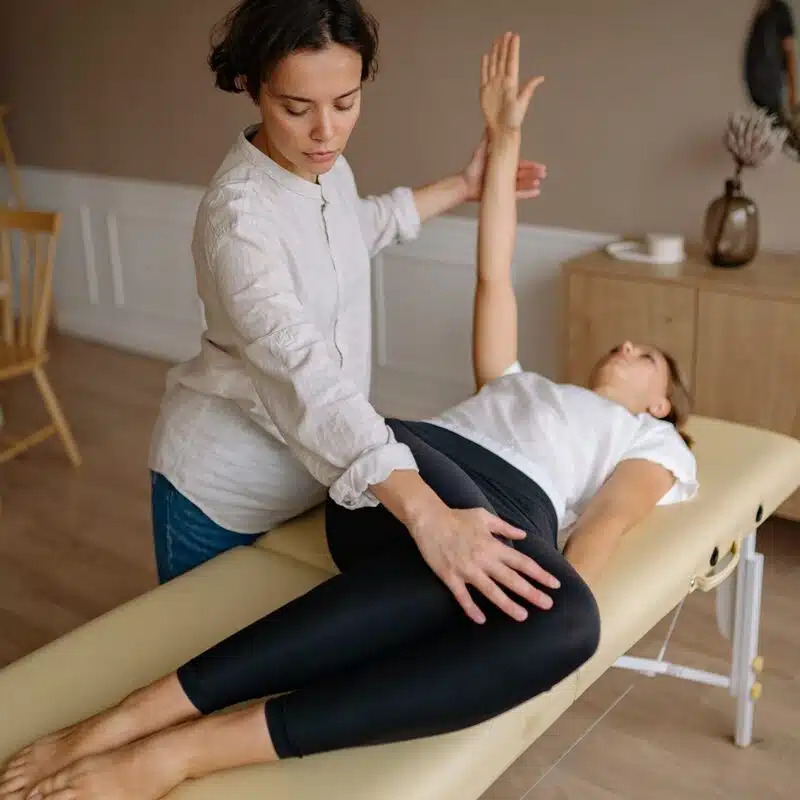
Manual Therapy
Hands-on techniques may be used to address muscle tension and improve mobility.
These can include:
- Soft tissue release
- Gentle stretching
- Alignment techniques
Manual therapy supports relaxation and overall muscle balance.
How Long Does It Take to See Results?
Recovery timelines can vary depending on:
- Severity of symptoms
- Consistency with exercises
- Individual health factors
Some individuals notice gradual changes within a few weeks, while others may need ongoing sessions. Female Pelvic Floor Physiotherapy Grande Prairie focuses on steady progress rather than quick results.
The Importance of Home Practice
Physiotherapy sessions are only part of the process. Home exercises play an important role in recovery.
You may be given:
- Daily pelvic floor exercises
- Breathing routines
- Bladder training techniques
Consistency with these practices helps reinforce what is done during sessions.
When Should You Seek Physiotherapy?
You may consider physiotherapy if you experience:
- Leakage during daily activities
- Sudden urges to urinate
- Difficulty controlling bladder function
- Symptoms affecting your routine
Early support can help address symptoms before they become more limiting.
Addressing Common Concerns
Is Pelvic Floor Physiotherapy Uncomfortable?
Treatment is approached with care and respect for your comfort level. Your physiotherapist will explain each step and adjust techniques as needed.
Is It Only for Postpartum Women?
While many women seek care after childbirth, pelvic floor physiotherapy is not limited to this group. Women of different ages and lifestyles may benefit from treatment.
Lifestyle Tips to Support Recovery
Along with physiotherapy, small changes can help manage symptoms:
- Maintain good posture
- Avoid straining during bowel movements
- Stay active within your comfort level
- Manage fluid intake appropriately
- Follow your physiotherapist’s guidance
These habits can complement your treatment plan.
A Supportive Approach to Care
Pelvic health can feel like a sensitive topic, but it is a common concern. Clinics such as Grande Prairie Pain & Physiotherapy Services provide a private and supportive environment where you can discuss symptoms openly.
Clear communication helps ensure your treatment plan aligns with your needs and comfort.
Final Thoughts
Urinary incontinence can affect different aspects of daily life, but it is a condition that can be managed with the right approach. Female Pelvic Floor Physiotherapy Grande Prairie offers a structured way to improve pelvic floor function, reduce leakage, and support overall well-being.
Through assessment, guided exercises, and ongoing support, clinics like Grande Prairie Pain & Physiotherapy Services help individuals take steps toward better bladder control. Seeking care early and staying consistent with treatment can make a meaningful difference over time.



 SPARK Website

 English