




 SPARK Website
 Opportunities
Renewable Energy Outlook - Lebanon
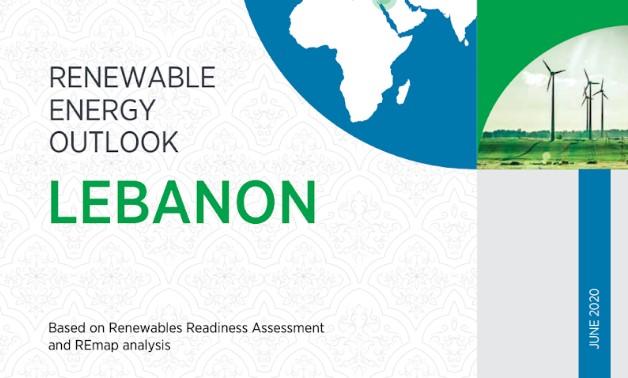
The document discusses the legal framework, ongoing power sector reforms, renewable energy targets, potential, and challenges in Lebanon. It highlights the need for stable regulations, increasing renewable energy capacity, transitioning to natural gas, raising tariffs, and promoting renewable energy investments. Lebanon aims to achieve 30% renewable energy consumption by 2030, focusing on solar, wind, and hydropower. The country faces challenges related to regulatory framework, resources, technology, infrastructure, financing, and private sector involvement.
Key Insights
- Lebanon's legal framework for renewable energy projects is evolving but faces challenges in implementation.
- Ongoing power sector reforms in Lebanon aim to reduce losses, increase generation capacity, and raise tariffs.
- Lebanon has set ambitious renewable energy targets and implemented policies to support renewable energy deployment.
- The country has significant renewable energy potential, particularly in solar, wind, and hydropower.
- Challenges in Lebanon include regulatory uncertainties, grid constraints, and limited awareness of support schemes for renewable energy projects.

 عربي
 French

This website is funded by the European Union, within the framework of the Green Forward programme, implemented at the meso level by SPARK in Jordan, Lebanon, Palestine, Morocco, Tunisia, and Egypt. Its contents are the sole responsibility of SPARK and do not necessarily reflect the views of the European Union.