


 SPARK Website
Ethyl Acetate Price Trend Analysis, Market Outlook & Global Insights 2026
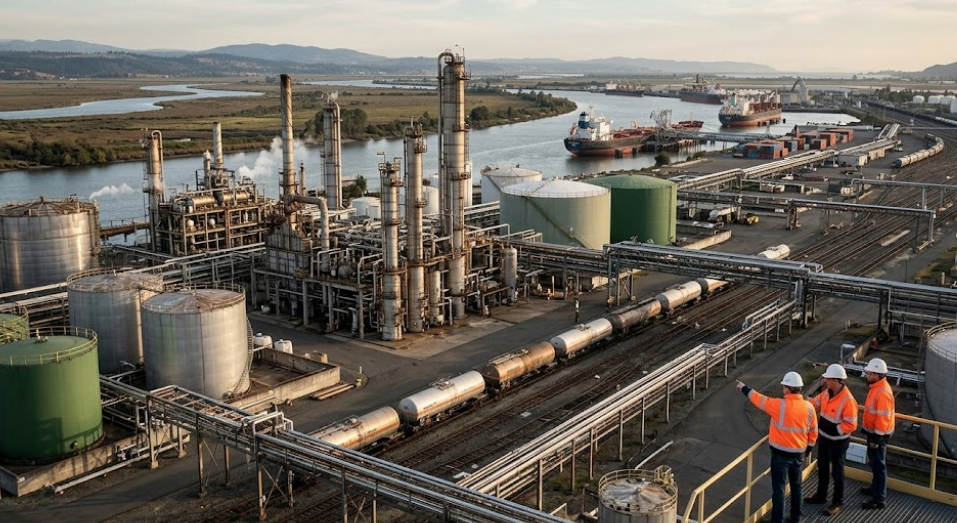
The Ethyl Acetate prices in early 2026 indicates a moderately stable to slightly firm market, supported by steady downstream demand and balanced supply conditions. Key sectors such as paints & coatings, adhesives, pharmaceuticals, and packaging continue to drive consumption globally. Feedstock cost movements, particularly ethanol and acetic acid, have played a critical role in shaping pricing dynamics. While Asia maintained relatively competitive pricing, Western markets showed higher cost structures due to logistics and energy expenses. Overall, the global ethyl acetate market trend reflects cautious stability with localized volatility.
Market Snapshot
Market Snapshot: Ethyl Acetate
- Market Direction: Stable to Slightly Rising
- Primary Demand Sector: Paints & Coatings, Adhesives, Pharmaceuticals
- Key Feedstock: Ethanol, Acetic Acid
- Major Supply Region: China, USA, Europe
- Short-Term Outlook: Stable
Latest Price Data (February 2026):
- China (FOB): USD 768.00/MT
- USA (CIF): USD 1,160.00/MT
- Germany (CIF): USD 990.00/MT
Key Drivers Affecting Ethyl Acetate Prices
The ethyl acetate supply demand analysis is influenced by multiple interconnected factors:
- Feedstock Price Volatility
Fluctuations in ethanol and acetic acid prices directly impact production costs. - Downstream Industry Demand
Growth in coatings, packaging, and pharma sectors supports consistent demand. - Production Capacity Utilization
High operating rates in Asia stabilize supply, while maintenance shutdowns tighten availability elsewhere. - Export-Import Dynamics
Strong exports from China influence global pricing benchmarks. - Energy and Utility Costs
Elevated energy prices in Europe and North America increase manufacturing costs.
Why Prices Increased or Decreased Recently
Recent movements in the ethyl acetate price trend show mixed regional behavior:
- Prices in Asia remained relatively stable due to balanced supply and steady domestic demand.
- In the USA and Europe, prices remained elevated due to higher import costs and energy-driven production expenses.
- Limited arbitrage opportunities between regions kept price gaps intact.
Key Factors:
- Stable feedstock costs reduced sharp volatility
- Moderate demand from coatings and packaging sectors
- No major supply disruptions in Q1 2026
- Controlled inventory levels across key markets
Real Global Events Affecting the Market
Several global developments have influenced the global ethyl acetate market trend:
- Energy Price Volatility in Europe
Fluctuating natural gas prices increased production costs for chemical manufacturers. - Geopolitical Trade Adjustments
Ongoing trade realignments affected shipping routes and freight costs. - Petrochemical Capacity Expansions in Asia
Increased production capacity, especially in China, supported supply stability. - Logistics Normalization
Improved global shipping conditions reduced extreme freight volatility compared to previous years.
Regional Market Analysis
North America
The market remained firm with higher CIF prices (~USD 1,160/MT). Demand from packaging and coatings sectors stayed stable, while elevated energy costs kept production expensive.
Asia Pacific
Asia, led by China (USD 768/MT FOB), remained the most competitive region. Strong production capacity and export availability ensured stable supply and moderate pricing.
Europe
Germany prices (~USD 990/MT CIF) reflected high manufacturing and energy costs. Demand remained steady, but margin pressures persisted for producers.
Middle East & Africa
The region experienced stable demand with reliance on imports. Pricing trends followed global benchmarks, with moderate fluctuations linked to freight and supply availability.
Industry Expert Insight
Industry analysts indicate that balanced global supply and steady downstream demand are currently stabilizing the ethyl acetate price index, while regional cost disparities continue to define pricing variations.
Market Outlook
Short-Term Outlook
The ethyl acetate market outlook is expected to remain stable in the near term:
- Balanced supply-demand fundamentals
- Stable feedstock pricing
- Consistent demand from coatings and adhesives
Medium-Term Outlook
- Capacity expansions in Asia may exert downward pressure on global prices
- Growth in packaging and pharmaceuticals will support demand
- Energy cost normalization could reduce production cost disparities
Overall, the ethyl acetate price forecast suggests a stable-to-moderately fluctuating trend with regional variations.
FAQs
What affects ethyl acetate prices?
Feedstock prices, industrial demand, production capacity, and global trade dynamics influence pricing.
Why did ethyl acetate prices remain stable recently?
Stable feedstock costs and balanced supply-demand conditions prevented major fluctuations.
What industries use ethyl acetate?
It is widely used in paints, coatings, adhesives, pharmaceuticals, and packaging applications.
Which region produces the most ethyl acetate?
Asia Pacific, particularly China, is the leading production region globally.
What is the future outlook for ethyl acetate prices?
The outlook is stable, with moderate fluctuations expected due to supply expansions and demand growth.
Final
The global ethyl acetate market trend reflects a balanced environment shaped by steady demand, controlled supply, and feedstock stability. While regional pricing differences persist, the overall market remains resilient.

 عربي
عربي