


 SPARK Website
A Complete Guide to Managing Wildfire Risks and Solutions
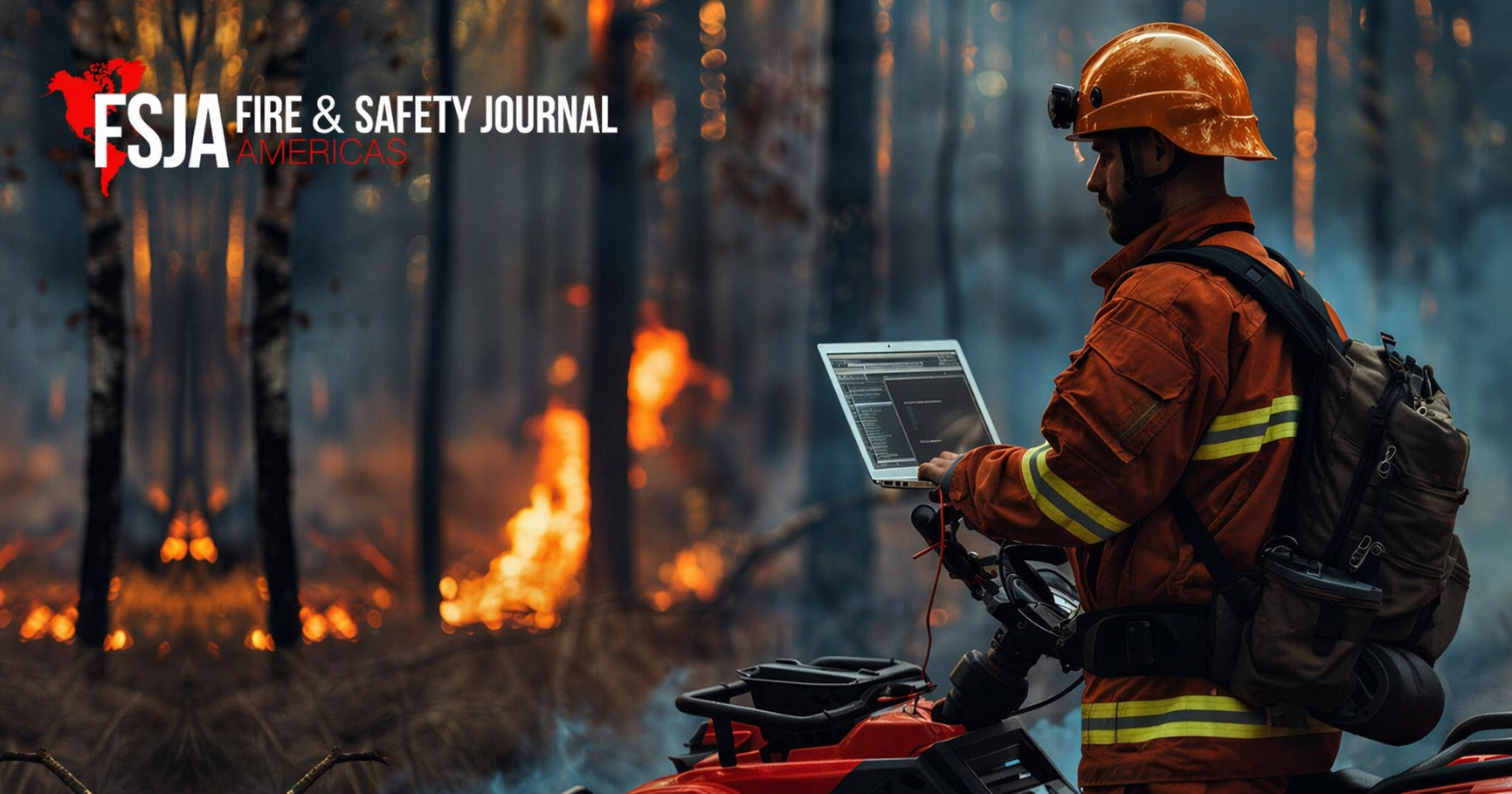
Wildfires are becoming more frequent and intense across many regions due to rising temperatures, prolonged droughts, and expanding urban development. Areas once considered low-risk are now facing unexpected fire threats, increasing the need for better planning and preparedness.
The impact of wildfires goes beyond environmental damage. Communities face displacement, businesses experience costly disruptions, and critical infrastructure can be severely affected. As these risks grow, wildfire risk management has become an essential strategy for reducing exposure and protecting both people and assets.
This guide explores the key risks, systems, and practical solutions that help organizations and communities respond effectively to wildfire challenges.
Understanding Wildfire Risks
Wildfire risks are influenced by a combination of natural and human factors. Dry vegetation, strong winds, and extreme heat create conditions where fires can ignite and spread rapidly. Human activities such as land clearing, industrial operations, and unattended fires further increase the likelihood of outbreaks. As urban areas expand into forested regions, the exposure of homes and infrastructure continues to grow. Understanding these risks is critical for developing strategies that not only address immediate threats but also reduce long-term vulnerability.
Importance of Managing Wildfire Risks
Managing wildfire risks is essential for protecting lives, property, and ecosystems. Without proper planning, fires can cause widespread destruction, disrupt economies, and lead to long-term environmental damage. A proactive approach allows organizations and communities to identify vulnerabilities early and implement measures that reduce potential impact. Effective wildfire risk management also supports faster emergency response and ensures better coordination during critical situations, ultimately improving safety and resilience.
Key Components of Wildfire Risk Management Systems
Effective systems rely on interconnected components that work together to identify threats, monitor environmental conditions, and enable timely response during wildfire incidents.
Risk Assessment and Mapping
Risk assessment evaluates environmental conditions, vegetation density, and historical fire patterns to identify vulnerable areas. Mapping tools and predictive models support better planning, helping authorities prioritize resources and implement targeted prevention strategies effectively.
Early Detection Systems
Early detection systems use sensors, cameras, and satellite data to identify smoke or heat signatures at an early stage. Faster detection allows quicker intervention, reducing the chances of fires escalating into large-scale disasters.
Monitoring and Surveillance
Monitoring systems use drones, remote sensors, and surveillance technologies to track environmental conditions in real time. These systems improve situational awareness and support faster decision-making during wildfire emergencies.
Communication and Alert Systems
Communication systems ensure that alerts reach communities and emergency responders quickly. Reliable notifications help coordinate evacuation plans and provide timely updates during critical situations, reducing confusion and panic.
Emergency Response Planning
Response planning focuses on coordinating firefighting efforts, allocating resources efficiently, and managing evacuations. A well-structured plan ensures faster containment of fires and minimizes risks to lives and infrastructure.
Technologies Used in Managing Wildfire Risks
Modern technologies are transforming how wildfire threats are detected, monitored, and controlled, making systems more efficient and data-driven.
Artificial Intelligence and Predictive Analytics
AI analyzes environmental data to predict fire outbreaks and identify patterns. Predictive analytics improves accuracy, allowing organizations to prepare in advance and respond more effectively to potential threats.
IoT and Smart Sensors
IoT devices monitor temperature, humidity, and air quality continuously. These sensors provide real-time data, enabling early detection of fire risks and improving overall situational awareness.
Satellite Imaging and GIS
Satellite technology offers a wide view of fire-prone areas, helping track fire movement and assess damage. GIS mapping enhances visualization and supports better planning and resource allocation.
Drones and Remote Monitoring
Drones provide aerial surveillance and access to difficult terrains, allowing faster assessment of fire conditions. Remote monitoring improves response efficiency while reducing risks for personnel.
Practical Solutions for Wildfire Risk Reduction
Implementing practical solutions helps reduce fire hazards and improves preparedness across different environments and industries.
Prevention Techniques
Prevention strategies include vegetation management, controlled burns, and the creation of firebreaks. These measures reduce fuel sources and limit the spread of fires.
Preparedness Planning
Preparedness involves developing emergency plans, conducting training sessions, and organizing drills. Proper planning ensures quicker and more coordinated responses during wildfire incidents.
Mitigation Measures
Mitigation focuses on reducing the impact of fires through fire-resistant construction materials and smart land-use planning. These measures help protect infrastructure and communities.
Response and Recovery
Response strategies aim to control fires quickly, while recovery efforts focus on rebuilding and restoring affected areas. Efficient recovery planning supports long-term resilience.
Applications Across Industries
Different industries adopt tailored strategies to protect their operations and assets from wildfire threats.
Energy and Utilities
Power infrastructure is highly vulnerable to fire hazards. Monitoring systems help detect risks early and prevent damage caused by equipment failures or environmental conditions.
Forestry and Agriculture
These sectors rely on monitoring and prevention strategies to protect natural resources, crops, and ecosystems from fire-related damage.
Residential Areas
Communities near forests require early warning systems and evacuation plans to ensure safety and reduce property losses.
Industrial Facilities
Industries implement safety protocols and monitoring systems to maintain operations and protect assets during fire incidents.
Government and Emergency Services
Government agencies coordinate firefighting efforts, manage evacuations, and ensure public safety through integrated systems and planning.
Challenges in Managing Wildfire Risks
Despite advancements, several challenges continue to affect the effectiveness of wildfire risk reduction strategies.
Climate Change Impact
Changing climate conditions increase the frequency and intensity of fires, making them more difficult to predict and control.
High Implementation Costs
Advanced systems require significant investment, which can limit adoption for smaller communities and organizations.
Limited Resources in Remote Areas
Remote regions often lack access to modern technology and trained personnel, resulting in slower response times during emergencies.
Data Integration Issues
Managing data from multiple sources can be complex, affecting the speed and accuracy of decision-making processes.
Benefits of Effective Wildfire Risk Management
Adopting structured systems provides clear advantages for safety, efficiency, and long-term sustainability.
Reduced Loss of Life and Property
Early detection and rapid response significantly reduce damage and casualties during wildfire incidents.
Faster Emergency Response
Integrated systems improve coordination and enable quicker deployment of resources during emergencies.
Improved Decision-Making
Access to accurate data supports better planning and more effective actions during critical situations.
Environmental Protection
Effective strategies help preserve ecosystems and reduce long-term environmental damage caused by fires.
Future Trends in Wildfire Risk Management
Emerging trends are shaping how organizations approach fire prevention and response strategies in the future.
Increased Use of AI and Automation
Automation will play a larger role in predicting risks and managing fire incidents more efficiently.
Smart Infrastructure Integration
Urban systems will increasingly include fire detection technologies to improve safety and resilience.
Climate-Adaptive Strategies
New approaches will focus on adapting to environmental changes and reducing long-term risks.
Global Collaboration
Countries and organizations will share knowledge and technologies to improve wildfire response and prevention efforts worldwide.
Best Practices for Managing Wildfire Risks
Following best practices ensures consistent and effective protection against wildfire threats.
Regular Risk Assessments
Frequent evaluations help identify new risks and update strategies accordingly.
Integration of Advanced Technologies
Using modern tools enhances detection, monitoring, and response capabilities.
Community Awareness and Training
Educating communities improves preparedness and encourages proactive safety measures.
Continuous Monitoring and Improvement
Ongoing monitoring ensures systems remain effective and adaptable to changing conditions.
Conclusion
Wildfires continue to pose a growing threat, making it essential to adopt proactive and well-structured approaches. By focusing on prevention, preparedness, and modern technologies, organizations can significantly reduce risks and improve response capabilities. A strong strategy built on awareness and planning ensures long-term safety and resilience. As highlighted by Fire and Safety Journal Americas, investing in effective solutions today is key to protecting communities and infrastructure in the future.
FAQs
What are wildfire risks?
Wildfire risks refer to the likelihood of fires occurring and causing damage due to environmental and human factors.
How can wildfire risks be managed effectively?
Through planning, monitoring, early detection systems, and coordinated emergency response strategies.
What technologies help in wildfire prevention?
Technologies such as AI, IoT sensors, drones, and satellite imaging are widely used.
Why are wildfires increasing globally?
Climate change, rising temperatures, and human activities are major contributing factors.
How can businesses prepare for wildfire risks?
Businesses can implement risk assessments, emergency plans, and monitoring systems to ensure safety and continuity.

 English