


 SPARK Website
How to Build a Decentralized Exchange Like PancakeSwap
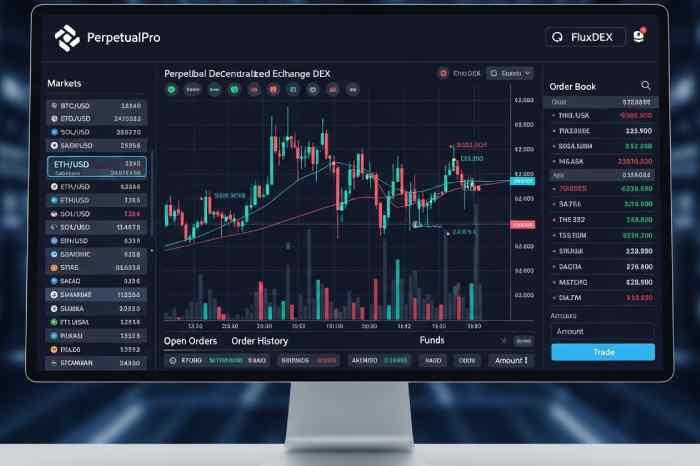
Decentralized exchanges have redefined how digital assets are traded by removing intermediaries and giving users direct control over their funds. Among these platforms, PancakeSwap stands out as a highly efficient and user-friendly automated market maker (AMM) built on the Binance Smart Chain. Businesses and startups are increasingly exploring the opportunity to build similar platforms, driven by the demand for secure, transparent, and scalable crypto trading solutions. Developing a PancakeSwap-like platform requires a deep understanding of blockchain architecture, liquidity mechanisms, smart contracts, and user experience design. This guide walks through the essential aspects of creating such a platform, focusing on practical insights, technical considerations, and strategic planning to help you deliver a robust Dex Development Solution that aligns with market expectations.
Understanding the Core Architecture of a PancakeSwap-Like DEX
A PancakeSwap-like decentralized exchange is built on a layered architecture where each component performs a specialized role to ensure seamless operation. From the execution of trades through smart contracts to the maintenance of liquidity pools and user interaction via intuitive interfaces, every layer contributes to the system’s efficiency. Understanding this architecture is essential for developers and businesses aiming to build a reliable platform. A well-structured Dex Development Solution depends on how effectively these elements are integrated and optimized for performance, scalability, and security.
- Automated Market Maker (AMM) Model
Instead of traditional order books, AMMs use mathematical formulas to determine asset prices. Liquidity providers deposit token pairs into pools, enabling instant trades. This model ensures continuous liquidity and reduces dependency on active buyers and sellers. - Smart Contracts for Transaction Execution
Smart contracts handle all operations, including swaps, liquidity addition, and rewards distribution. These contracts must be carefully audited to prevent vulnerabilities, ensuring the Dex Development Solution maintains security and reliability. - Liquidity Pools and Token Pairing
Liquidity pools are the backbone of a DEX. Users supply tokens to pools and earn rewards in return. Proper pool management ensures stable trading conditions and minimizes slippage for users. - Front-End and Wallet Integration
The user interface connects traders to blockchain functions. Integration with wallets like MetaMask or Trust Wallet enables seamless transactions while maintaining full user control over funds.
Key Features Required for a PancakeSwap-Like Platform
A successful decentralized exchange is defined by the features it offers and how effectively they address user needs. Building a PancakeSwap-like platform involves incorporating functionalities that simplify trading, enhance engagement, and ensure security. These features must work together to provide a smooth and rewarding user experience. A thoughtfully designed Dex Development Solution integrates these elements to create a platform that attracts users, encourages participation, and sustains long-term growth in a competitive market environment.
- Token Swapping Functionality
Users should be able to swap tokens instantly with minimal fees. The interface must display real-time pricing, slippage tolerance, and transaction details to ensure transparency and informed decision-making. - Liquidity Provision and Yield Farming
Allowing users to add liquidity and earn rewards encourages participation. Yield farming mechanisms can provide additional incentives, increasing platform activity and liquidity depth. - Staking and Reward Systems
Staking enables users to lock tokens and earn passive income. Reward systems must be clearly defined to maintain fairness and long-term sustainability within the Dex Development Solution. - Governance Mechanisms
Decentralized governance allows token holders to vote on platform updates. This feature enhances community involvement and builds trust among users.
Technology Stack for DEX Development
The technology stack chosen for a decentralized exchange plays a critical role in determining its performance, scalability, and security. From selecting the appropriate blockchain network to implementing reliable development frameworks, each decision influences the platform’s success. Developers must evaluate various tools and technologies to ensure compatibility and efficiency. A strong Dex Development Solution is built on a foundation of proven technologies that support seamless operations while accommodating future upgrades and innovations in the evolving blockchain ecosystem.
- Blockchain Network Selection
Binance Smart Chain, Ethereum, and other compatible networks can be used. Each offers different transaction speeds and fees, influencing the overall user experience. - Smart Contract Development Tools
Solidity is commonly used for writing smart contracts. Frameworks like Truffle and Hardhat assist in testing and deployment, ensuring reliability in the Dex Development Solution. - Front-End Development Frameworks
React.js is widely used for building responsive interfaces. A well-designed front end improves usability and reduces friction during trading activities. - API and Backend Services
While DEXs are decentralized, certain backend services help fetch market data and analytics. Efficient APIs ensure smooth communication between the blockchain and user interface.
Security Considerations in DEX Development
Security is one of the most critical aspects of decentralized exchange development, as even minor vulnerabilities can lead to significant risks. Users rely on the platform to safeguard their assets and ensure secure transactions. Developers must adopt a proactive approach to identify potential threats and implement robust security measures. A comprehensive Dex Development Solution prioritizes security at every stage, from smart contract design to user interaction, creating a trustworthy environment that encourages adoption and long-term engagement.
- Smart Contract Audits
Regular audits identify and fix vulnerabilities before deployment. Third-party audits provide an additional layer of credibility for the Dex Development Solution. - Multi-Signature Wallets
Using multi-signature wallets for administrative functions reduces the risk of unauthorized access. This ensures critical operations require multiple approvals. - Protection Against Common Attacks
Measures must be implemented to prevent reentrancy attacks, flash loan exploits, and front-running. Continuous monitoring helps maintain system integrity. - User Education and Transparency
Informing users about risks and best practices enhances overall platform security. Transparent communication builds trust and encourages responsible usage.
Steps to Build a PancakeSwap-Like DEX
Developing a PancakeSwap-like decentralized exchange involves a systematic process that ensures each component is properly designed, tested, and deployed. From initial planning to final launch, every stage requires careful attention to detail. A structured approach helps avoid common pitfalls and ensures the platform meets user expectations. A well-executed Dex Development Solution follows a clear roadmap, enabling developers to create a reliable and scalable platform that delivers consistent performance and user satisfaction.
- Requirement Analysis and Planning
Define the platform’s objectives, target audience, and feature set. A clear roadmap helps streamline development and avoid unnecessary complications. - Smart Contract Development and Testing
Write and test contracts thoroughly to ensure accuracy and security. Simulation of real-world scenarios helps identify potential issues early. - UI/UX Design and Integration
Design a user-friendly interface that simplifies complex blockchain interactions. Integration with wallets and APIs ensures seamless functionality. - Deployment and Maintenance
Deploy the platform on the chosen blockchain and monitor its performance. Regular updates and maintenance ensure long-term success of the Dex Development Solution.
Monetization Strategies for a DEX Platform
Monetization is an essential aspect of sustaining a decentralized exchange while maintaining user trust and satisfaction. A PancakeSwap-like platform can generate revenue through multiple streams without compromising its decentralized nature. The challenge lies in balancing profitability with user benefits. A strategic Dex Development Solution incorporates fair and transparent monetization methods that encourage participation while ensuring the platform remains competitive and appealing to a broad audience.
- Transaction Fees
Charging a small fee for each trade provides a steady revenue stream. These fees must remain competitive to attract and retain users. - Liquidity Provider Incentives
Sharing a portion of fees with liquidity providers encourages participation. This approach strengthens the platform’s liquidity ecosystem. - Token Launchpad Services
Offering token launch services for new projects creates additional revenue opportunities. This also attracts new users to the platform. - Premium Features and Analytics Tools
Advanced trading tools and analytics can be offered as premium services. These features appeal to experienced traders seeking deeper insights.
Conclusion
Developing a PancakeSwap-like decentralized exchange requires a comprehensive approach that combines technical expertise, strategic planning, and user-focused design. Each stage, from architecture to monetization, plays a crucial role in shaping the platform’s success. A well-designed Dex Development Solution not only addresses current market demands but also prepares for future advancements in blockchain technology. By prioritizing security, scalability, and user engagement, businesses can create a decentralized exchange that delivers long-term value and builds lasting trust within the crypto ecosystem.

 عربي
عربي