Introduction
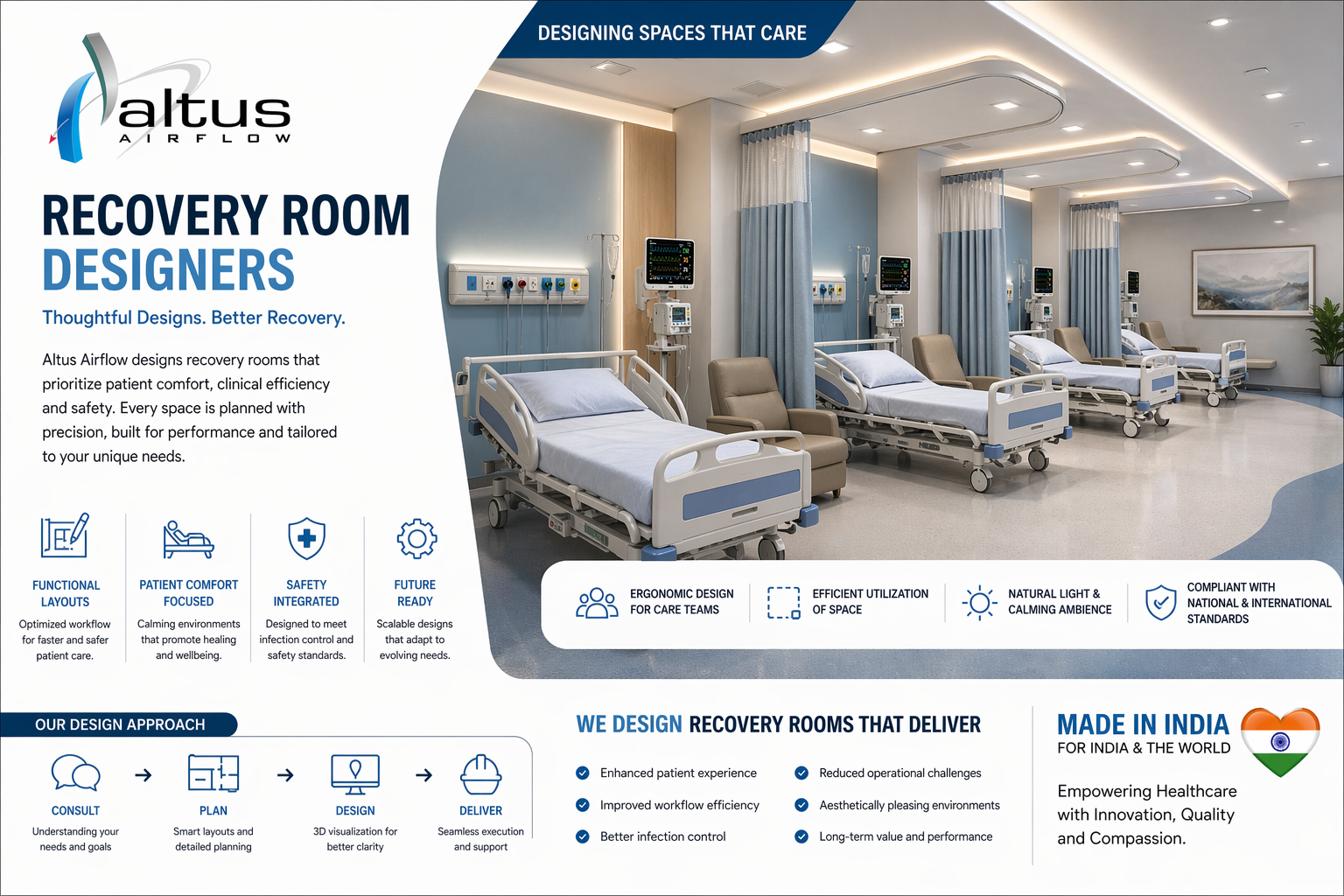
Designing a healthcare space requires precision, expertise, and a deep understanding of patient needs. Recovery Room Designers play a vital role in creating environments where patients can safely recover after medical procedures. A well-designed recovery room is not just about aesthetics it directly impacts patient comfort, safety, and recovery outcomes. Clinics and hospitals today are focusing on modern recovery room designs that combine functionality, hygiene, and advanced medical infrastructure to ensure the best possible care.
Patient comfort is especially important during the recovery phase, as individuals may still be under the effects of anesthesia or undergoing observation. This makes it essential to create a calm, well-equipped, and efficiently organized environment. Expert designers understand how to balance medical requirements with patient-centered design, ensuring both healthcare professionals and patients benefit from the space.
Importance of Professional Recovery Room Design
A professionally designed recovery room enhances both patient care and operational efficiency. It ensures that all essential medical equipment is properly arranged and easily accessible.
Key Benefits:
- Improved patient safety and monitoring
- Efficient workflow for medical staff
- Reduced risk of post-operative complications
- Comfortable and stress-free environment for patients
By working with experienced Recovery Room Designers, healthcare facilities can achieve a well-structured and functional recovery space.
Focus on Patient Comfort
Patient comfort is at the core of recovery room design. Designers aim to create an environment that promotes relaxation and reduces stress.
Comfort Features:
- Ergonomic and adjustable hospital beds
- Proper lighting that is neither too harsh nor too dim
- Noise reduction elements for a peaceful environment
- Temperature-controlled ventilation systems
These elements help patients recover more comfortably and improve overall satisfaction.
Efficient Space Planning
Space utilization is critical in healthcare environments. Recovery rooms must be designed to accommodate equipment, staff movement, and patient care without congestion.
Design Considerations:
- Adequate spacing between beds
- Clear pathways for staff movement
- Easy access to emergency equipment
- Organized layout for quick response
Professional Recovery Room Designers ensure that every inch of space is used effectively while maintaining safety standards.
Integration of Medical Equipment
Modern recovery rooms require advanced medical equipment for monitoring and support.
Essential Equipment:
- Patient monitoring systems
- Oxygen supply units
- IV stands and infusion pumps
- Emergency response tools
Designers ensure that these devices are seamlessly integrated into the layout for easy access and efficient use.
Hygiene and Infection Control
Maintaining hygiene is crucial in recovery rooms to prevent infections and ensure patient safety.
Key Measures:
- Use of antimicrobial surfaces
- Easy-to-clean materials
- Proper waste management systems
- Ventilation systems for clean air circulation
These features help maintain a sterile environment and reduce health risks.
Customization for Different Healthcare Facilities
Every healthcare facility has unique requirements based on its size, specialization, and patient volume.
Customization Options:
- Compact designs for small clinics
- Large-scale layouts for hospitals
- Specialized recovery rooms for specific treatments
- Modular designs for future expansion
Experienced Recovery Room Designers provide tailored solutions that meet the specific needs of each facility.
Lighting and Ambience
Lighting plays a significant role in patient recovery. Proper lighting design helps create a calm and healing environment.
Lighting Features:
- Adjustable lighting for different needs
- Natural light integration where possible
- Soft ambient lighting for relaxation
A well-lit environment contributes to patient comfort and faster recovery.
Safety and Accessibility
Safety is a top priority in recovery room design. Designers incorporate features that ensure quick response in emergencies.
Safety Features:
- Easy access to emergency equipment
- Non-slip flooring
- Handrails and support systems
- Clear visibility for monitoring patients
These elements ensure that both patients and staff can function safely and efficiently.
Role of Technology in Modern Recovery Rooms
Technology is transforming healthcare infrastructure, including recovery rooms.
Advanced Features:
- Smart monitoring systems
- Automated alerts for patient conditions
- Digital record integration
- Remote monitoring capabilities
These innovations enhance efficiency and improve patient care.
Installation and Maintenance Support
Professional designers often provide end-to-end solutions, including installation and maintenance.
Services Include:
- Complete setup of recovery rooms
- Equipment installation and testing
- Regular maintenance support
- Upgrades and modifications
This ensures that recovery rooms remain functional and up-to-date.
Long-Term Benefits of Expert Design
Investing in professional recovery room design offers long-term advantages.
Benefits:
- Improved patient outcomes
- Increased operational efficiency
- Reduced maintenance costs
- Enhanced reputation of the healthcare facility
A well-designed recovery room becomes a valuable asset for any clinic or hospital.
Conclusion
Recovery Room Designers play a crucial role in creating healthcare spaces that prioritize patient comfort, safety, and efficiency. From space planning and equipment integration to hygiene and advanced technology, every aspect of design contributes to better patient care. By choosing expert designers, healthcare facilities can ensure that their recovery rooms meet modern standards and provide a supportive environment for patients during their recovery journey.
Frequently Asked Questions (FAQs)
1. Why are Recovery Room Designers important for healthcare facilities?
They ensure proper layout, safety, and comfort, improving patient recovery and staff efficiency, which is why Recovery Room Designers are essential for modern healthcare facilities.
2. What features should a recovery room include?
It should include monitoring systems, comfortable beds, proper lighting, and safety equipment.
3. Do designers provide customized solutions?
Yes, designs are tailored based on the facility’s size and requirements.
4. How does design impact patient recovery?
A well-designed environment reduces stress and supports faster healing.
5. Is maintenance support provided after installation?
Yes, many designers offer ongoing maintenance and upgrade services.
Read Our Previous Blog-------->Reliable Recovery Room Manufacturers for Clinics



 SPARK Website

 عربي
عربي