


 SPARK Website
Lower GI Disorders: Causes, Symptoms, and Treatment
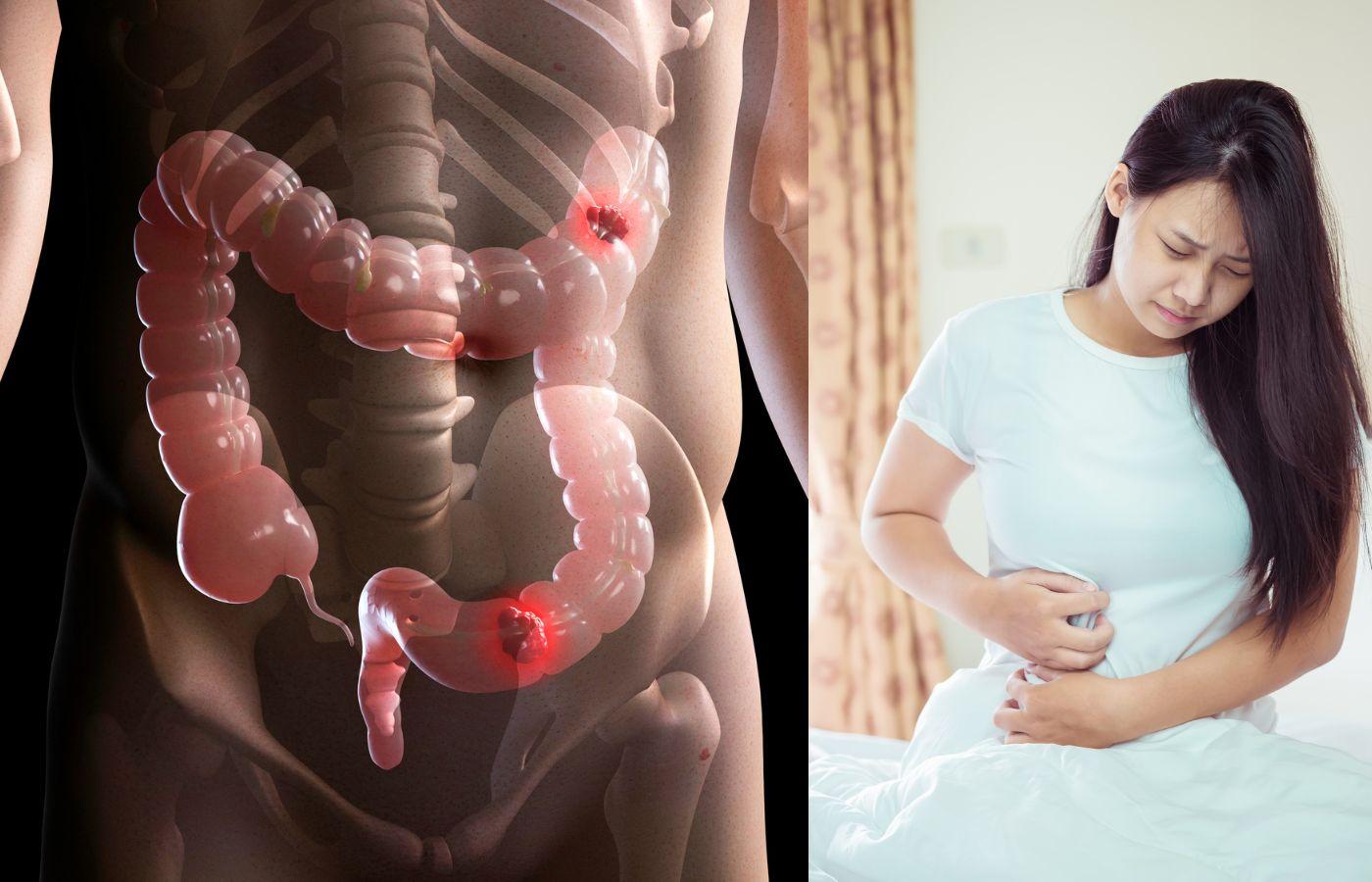
Lower gastrointestinal (GI) disorders refer to a group of medical conditions that affect the latter part of the digestive system, primarily the small intestine, large intestine (colon), rectum, and anus. These disorders are common worldwide and can range from mild, temporary issues to chronic and potentially serious diseases. Understanding their causes, symptoms, and treatment options is essential for maintaining digestive health and overall well-being.
One of the most frequently discussed lower GI disorders is Irritable Bowel Syndrome (IBS). IBS is a chronic condition characterized by abdominal pain, bloating, and changes in bowel habits, such as diarrhea, constipation, or a combination of both. Although the exact cause is not fully understood, factors like stress, diet, and gut sensitivity play a significant role. While IBS does not cause permanent damage to the intestines, it can significantly affect a person’s quality of life.
Another common condition is Inflammatory Bowel Disease (IBD), which includes more severe disorders such as Crohn’s Disease and Ulcerative Colitis. Unlike IBS, IBD involves chronic inflammation of the digestive tract and can lead to complications such as ulcers, bleeding, and malnutrition. These conditions often require long-term medical management, including medications to reduce inflammation and, in some cases, surgery.
Constipation is another widely experienced lower GI issue. It is typically defined by infrequent bowel movements or difficulty passing stools. Common causes include low fiber intake, dehydration, lack of physical activity, and certain medications. While occasional constipation is usually harmless, chronic cases may require medical evaluation to rule out underlying conditions.
On the opposite end of the spectrum is Diarrhea, which involves frequent, loose, or watery stools. Diarrhea can be caused by infections, food intolerances, medications, or digestive disorders. Most cases are short-lived, but persistent diarrhea can lead to dehydration and may indicate a more serious underlying problem.
A more serious lower GI disorder is Colorectal Cancer, which affects the colon or rectum. It is one of the most common types of cancer worldwide. Early symptoms may include changes in bowel habits, blood in the stool, abdominal discomfort, and unexplained weight loss. Regular screening, especially for individuals over 50 or those with a family history, plays a crucial role in early detection and successful treatment.
Other conditions affecting the lower GI tract include hemorrhoids, anal fissures, and diverticular disease. Hemorrhoids are swollen blood vessels in the rectal area that can cause pain, itching, and bleeding. Anal fissures are small tears in the lining of the anus, often resulting from passing hard stools. Diverticular disease involves the formation of small pouches in the colon wall, which can become inflamed or infected, leading to a condition known as diverticulitis.
The causes of lower GI disorders vary widely. Diet plays a major role, particularly the intake of fiber, fats, and processed foods. A low-fiber diet can lead to constipation, while excessive consumption of fatty or spicy foods may trigger symptoms in sensitive individuals. Infections caused by bacteria, viruses, or parasites can also disrupt normal digestive function. Additionally, stress and mental health have a strong connection to gut health, often exacerbating symptoms in conditions like IBS.
Diagnosis of lower GI disorders typically involves a combination of medical history, physical examination, and diagnostic tests. These may include stool tests, blood tests, colonoscopy, or imaging studies. A colonoscopy, in particular, allows doctors to directly examine the inside of the colon and identify abnormalities such as inflammation, polyps, or tumors.
Treatment depends on the specific condition and its severity. Lifestyle changes are often the first step, including adopting a balanced diet rich in fiber, staying hydrated, and engaging in regular physical activity. Medications may be prescribed to manage symptoms, reduce inflammation, or treat infections. In more severe cases, surgical intervention may be necessary.
Preventing lower GI disorders involves maintaining healthy habits. Eating a diet rich in fruits, vegetables, and whole grains supports digestive health. Drinking plenty of water, exercising regularly, and managing stress are also important. Avoiding excessive use of processed foods, alcohol, and smoking can further reduce the risk of developing GI issues.
In conclusion, lower GI disorders encompass a wide range of conditions that can significantly impact daily life. From common issues like constipation and diarrhea to more serious diseases like inflammatory bowel disease and colorectal cancer, these conditions require awareness and proper management. Early diagnosis, healthy lifestyle choices, and appropriate medical care are key to maintaining a healthy digestive system and improving quality of life.

 English