




 SPARK Website
 Opportunities
Transitioning to Circular Packaging and Product Reuse in Lebanon
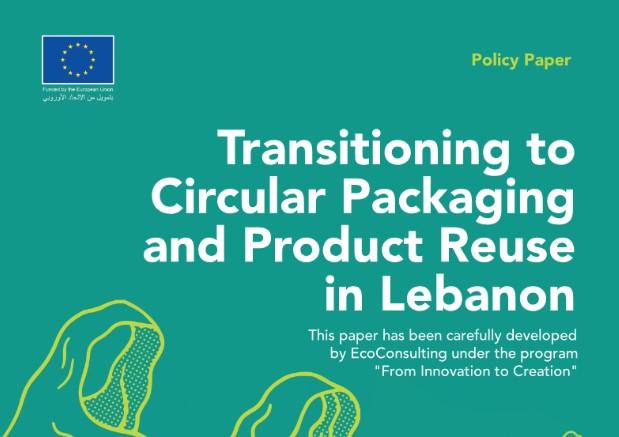
Lebanon is addressing its waste management issues by transitioning to a circular economy, focusing on circular packaging and product reuse. Short-term strategies include awareness-raising and pilot projects, while medium-term strategies involve restrictions on single-use plastics and incentives for reusable products. Long-term strategies include implementing a Deposit Refund System and Extended Producer Responsibility. Pricing based on weight for waste disposal, taxing single-use plastics, and promoting recyclable product design are key approaches. Collaboration among stakeholders is essential for successful implementation.
Key Insights
- Transitioning to a circular economy in Lebanon involves short-term, medium-term, and long-term strategies.
- Strategies include raising awareness, implementing pricing incentives, and promoting recyclable product design.
- International examples, such as the EU’s Circular Economy Action Plan, offer successful models for Lebanon to follow.
- Collaboration among stakeholders, including business support organizations and NGOs, is crucial for effective implementation.
- Legislative support, stakeholder collaboration, and public awareness are key factors in the transition to a circular economy in Lebanon.
Download the policy paper form here:
https://www.cewas.org/articles/transitioning-to-circular-packaging-and-product-reuse-in-lebanon

 عربي
 French

This website is funded by the European Union, within the framework of the Green Forward programme, implemented at the meso level by SPARK in Jordan, Lebanon, Palestine, Morocco, Tunisia, and Egypt. Its contents are the sole responsibility of SPARK and do not necessarily reflect the views of the European Union.