


 SPARK Website
Rhinoplasty in Islamabad: Designing the Perfect Nose for Your Face
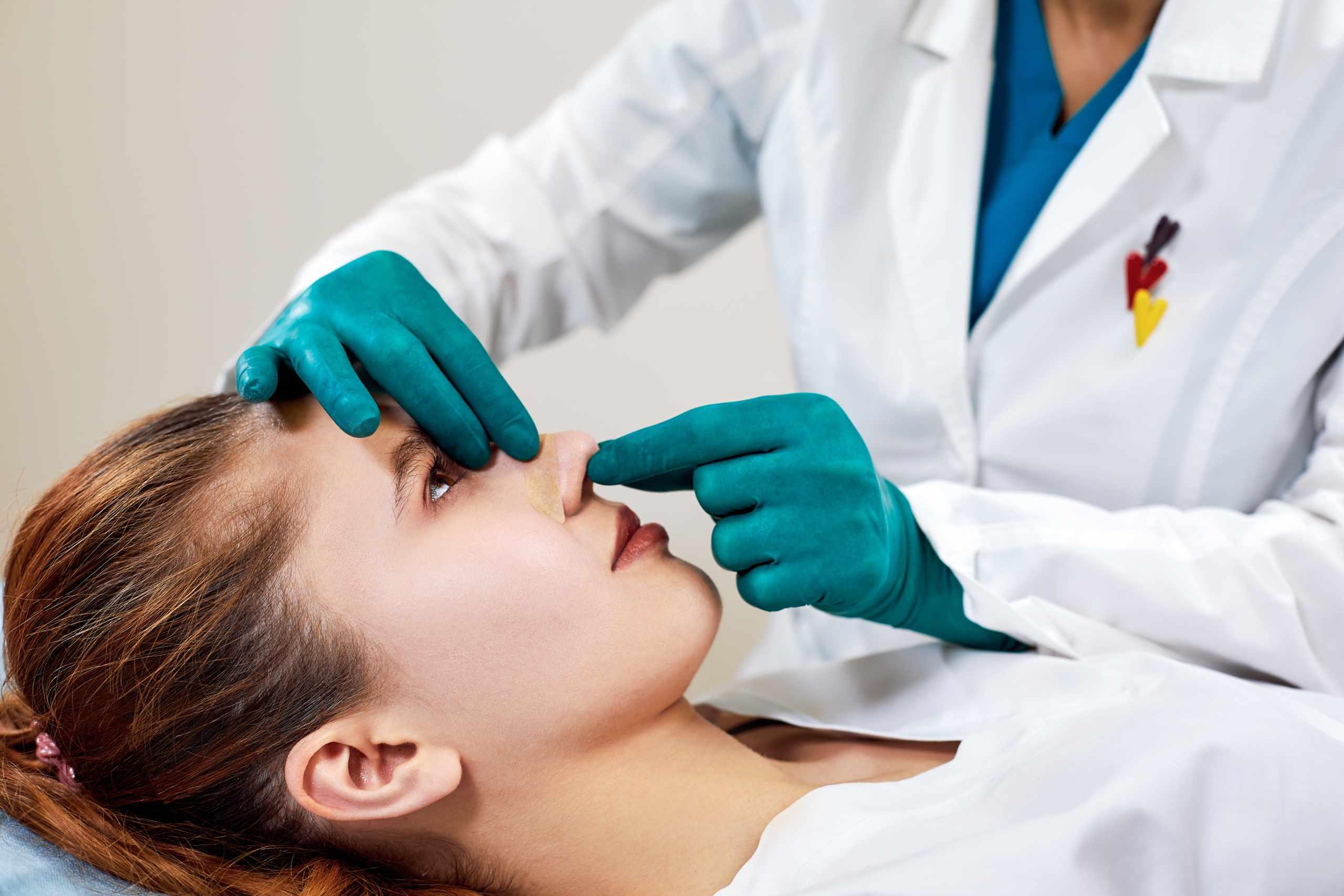
The idea of a “perfect nose” is not about following a single standard shape, but about creating harmony between all facial features so that the nose complements rather than dominates the face. Facial balance depends on proportions, angles, and how each feature interacts with the others, making nose design a highly personalized process rather than a fixed template. Modern aesthetic understanding focuses on individuality, where the goal is not to change identity but to refine structure in a way that enhances natural appearance. In this context, Rhinoplasty in Islamabad is often associated with customized nasal design approaches that consider facial proportions, ethnic characteristics, and overall harmony to achieve results that look naturally integrated with the face.
Understanding Facial Harmony in Nose Design
Facial harmony is the foundation of aesthetic balance.
Every feature contributes to overall appearance.
Why Nose Design Is Never One-Size-Fits-All
Each face has unique proportions.
A universal nose shape does not exist.
The Role of Facial Proportions
Proportions determine visual balance.
They guide nasal design decisions.
Golden Ratios in Facial Aesthetics
Mathematical ratios influence perceived beauty.
They help assess symmetry and balance.
How the Nose Impacts Overall Appearance
The nose sits at the center of the face.
It influences both symmetry and expression.
Relationship Between Nose and Eyes
Eyes and nose work together visually.
Their balance affects facial focus.
Influence of Cheek Structure
Cheekbones support facial framing.
They affect nasal perception.
Importance of Chin Projection
Chin alignment balances nasal prominence.
It shapes facial profile harmony.
Profile View Considerations
Side view is crucial in design.
It reveals projection and alignment.
Frontal View Symmetry
Front view determines visual balance.
Small changes can shift perception.
Nasal Bridge Structure
The bridge defines facial flow.
Its shape influences elegance.
Nasal Tip Definition
The tip affects expression and character.
It must match facial softness or sharpness.
Nostril Shape and Proportion
Nostrils impact overall symmetry.
Balance is key in refinement.
Ethnic Identity in Nose Design
Ethnic features must be respected.
Natural identity should remain intact.
Customization in Modern Aesthetic Design
Each design is personalized.
No two noses are treated the same.
Importance of Pre-Design Assessment
Facial analysis guides planning.
It ensures proportional outcomes.
Role of Digital Facial Mapping
Digital tools improve precision.
They help visualize changes.
Simulation of Expected Outcomes
Simulations reduce uncertainty.
They support informed decisions.
Balancing Function and Appearance
Breathing function is essential.
Aesthetic changes must not compromise it.
Structural Integrity of the Nose
Support structure ensures durability.
It maintains long-term shape.
Role of Cartilage in Design
Cartilage shapes nasal contour.
It provides flexibility and support.
Bone Structure Adjustments
Bone refinement improves alignment.
It enhances symmetry.
Importance of Skin Thickness
Skin affects final appearance.
It influences definition visibility.
Natural vs Refined Look
Natural results are preferred.
Overcorrection is avoided.
Subtle Enhancements in Design
Small adjustments create major impact.
Less invasive changes often work best.
Emotional Impact of Nose Design
Facial harmony affects confidence.
It influences self-perception.
Psychological Aspect of Facial Balance
Balanced features improve self-image.
They enhance social confidence.
Cultural Preferences in Nose Aesthetics
Beauty ideals vary globally.
Balance remains universally valued.
Gender-Specific Design Considerations
Design differs by facial structure.
Masculine and feminine balance varies.
Importance of Personalized Planning
Each plan is tailored individually.
Standard approaches are not used.
Surgeon’s Artistic Approach
Aesthetic sense is as important as technique.
Art and science work together.
Healing and Adjustment Phase
Results refine over time.
Final shape evolves gradually.
Long-Term Stability of Results
Structure must remain stable.
Support ensures durability.
Role of Modern Techniques
Advanced methods improve precision.
They reduce recovery time.
Minimally Invasive Refinement Methods
Smaller interventions reduce trauma.
They support natural outcomes.
Evolution of Nose Design Philosophy
Focus has shifted to harmony.
Natural enhancement is prioritized.
Future of Aesthetic Nose Design
Future techniques will be more personalized.
Technology will enhance precision further.
Importance of Realistic Expectations
Understanding limits improves satisfaction.
Balance is key to success.
Facial Identity Preservation
Identity must remain recognizable.
Enhancement should not erase individuality.
Conclusion on Nose Design Harmony
Perfect design is about balance.
Harmony defines true beauty.
FAQs
What makes a nose “perfect” for a face?
A perfect nose is one that harmonizes with other facial features rather than standing out.
Is nose design the same for everyone?
No, it is fully customized based on facial structure.
Why is facial harmony important in rhinoplasty?
Because balanced proportions create natural and aesthetically pleasing results.
Can nose design change facial identity?
It enhances appearance while preserving identity.
Are digital tools helpful in planning nose design?
Yes, they help visualize and improve accuracy of outcomes.

 عربي
عربي