


 SPARK Website
Why Menopause Care Is Gaining Greater Attention Across the GCC
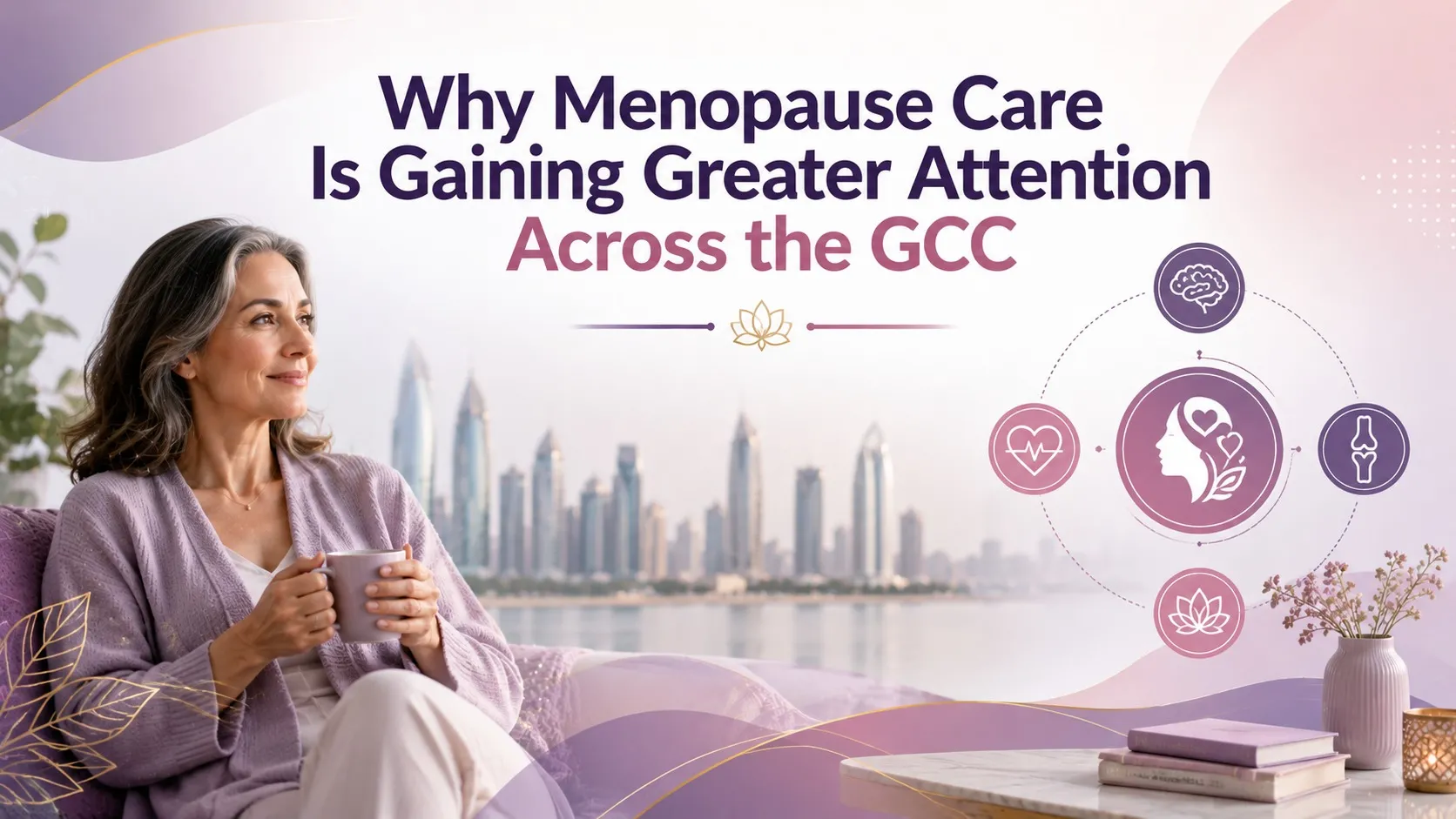
Menopause has long been viewed as a natural stage of life, yet its impact on physical, emotional, and long-term health is increasingly being recognized across the Gulf Cooperation Council (GCC). As awareness grows, healthcare providers, policymakers, and employers are placing greater emphasis on improving access to diagnosis, treatment, and supportive care for women experiencing menopausal symptoms.
Growing healthcare investments, expanding women's wellness initiatives, and stronger public health awareness are reshaping the regional landscape. The regional menopause healthcare landscape is evolving with broader treatment options, improved clinical services, and greater patient education, enabling women to seek timely medical support and improve their quality of life.
Beyond symptom management, menopause care now focuses on long-term wellness. Healthcare professionals increasingly encourage preventive strategies that address bone health, cardiovascular health, mental well-being, and healthy aging. This broader approach is helping transform menopause care into an essential component of women's healthcare rather than a temporary medical concern.
Awareness Is Encouraging Earlier Diagnosis
One of the biggest changes across GCC countries is the growing willingness to discuss menopause openly. Educational campaigns, healthcare conferences, and specialist clinics have contributed to reducing stigma while encouraging women to seek professional guidance before symptoms become severe.
According to the latest study by MarkNtel Advisors, the GCC menopause care sector is projected to grow from USD 192 million in 2026 to approximately USD 308 million by 2032, expanding at a CAGR of 8.20%. Rising awareness, improved diagnosis rates, and stronger integration of menopause services within regional healthcare systems continue to support this outlook.
Expanding Treatment Choices Improve Patient Outcomes
Modern menopause management extends well beyond traditional hormone replacement therapy. Physicians now tailor treatment plans according to individual health conditions, symptom severity, and patient preferences. Hormonal therapies remain important for many patients, while non-hormonal medications, dietary supplements, lifestyle interventions, and behavioral therapies provide additional options when appropriate.
Healthcare providers are also adopting more personalized care pathways by combining medication with nutrition counseling, exercise recommendations, sleep management strategies, and mental health support. This integrated approach helps address the diverse challenges associated with menopause.
Preventive Healthcare Is Becoming a Regional Priority
Several GCC countries continue investing heavily in preventive healthcare as part of broader national health transformation initiatives. Since menopause often coincides with increased risks of osteoporosis, cardiovascular disease, and metabolic disorders, early intervention has become an important public health objective.
Governments and healthcare organizations are encouraging routine health assessments, regular screenings, and patient education programs that support healthy aging. These initiatives are helping women manage menopause while reducing future healthcare burdens associated with chronic illnesses.
Saudi Arabia Continues to Lead Regional Development
Among GCC countries, Saudi Arabia represents one of the strongest growth areas for menopause care. Its large population, expanding healthcare infrastructure, increasing specialist clinics, and ongoing healthcare reforms are creating favorable conditions for improved women's health services.
Hospitals across the region are increasingly incorporating menopause consultations into comprehensive women's wellness programs, allowing patients to receive multidisciplinary care from gynecologists, endocrinologists, nutritionists, and mental health specialists.
Digital Healthcare Is Improving Access
Digital transformation is making menopause care more accessible throughout the GCC. Telemedicine platforms allow patients to consult specialists remotely, particularly in areas where specialized women's health services may be limited. Digital monitoring tools, mobile health applications, and virtual follow-up appointments also support long-term symptom management.
These technologies improve continuity of care while enabling physicians to monitor treatment effectiveness, adjust therapies when necessary, and provide ongoing education without requiring frequent in-person visits.
Wellness Products Complement Medical Treatment
The growing interest in preventive wellness has also increased demand for nutritional supplements, herbal formulations, vitamins, probiotics, and other supportive products designed to promote healthy aging. While these products do not replace clinical treatment, they often complement physician-guided care plans focused on overall well-being.
Industry research also identifies the growing adoption of dietary supplements and wellness products as an important trend influencing menopause care across the GCC, reflecting changing consumer preferences toward holistic health management.
The Road Ahead
Menopause is increasingly recognized as an important stage requiring comprehensive healthcare rather than isolated symptom management. Greater public awareness, expanding treatment choices, stronger preventive healthcare strategies, and continued investment in women's health services are collectively transforming the care landscape across GCC countries.
As healthcare systems continue integrating specialized menopause services into routine clinical practice, women throughout the region are expected to benefit from earlier diagnosis, personalized treatment plans, improved access to healthcare professionals, and better long-term health outcomes. These developments position menopause care as an increasingly important component of the GCC's evolving healthcare ecosystem.

 عربي
عربي