


 SPARK Website
How to Build a Powerful Personal Brand Identity That Sets You Apart
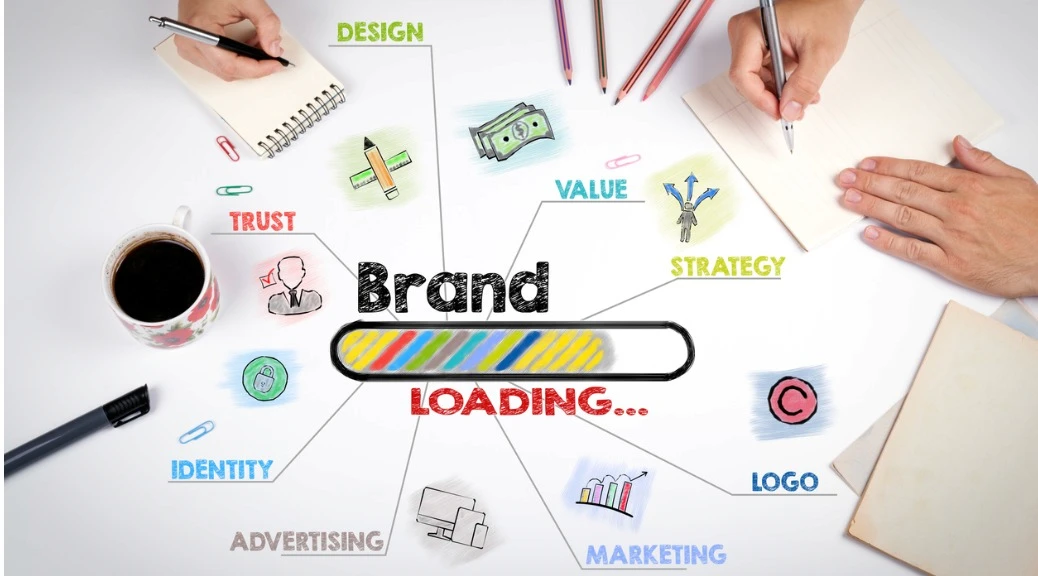
A personal brand identity is the combination of your expertise, values, personality, reputation, and visual presentation that shapes how others perceive you. Building a strong personal brand identity helps professionals increase visibility, establish authority, build trust, and attract career and business opportunities. By defining clear brand personality traits and developing a consistent professional image, individuals can stand out in competitive markets.
Introduction
In today's highly connected professional world, people often form opinions before meeting you in person. Potential clients, employers, investors, collaborators, and audiences regularly search online, review social media profiles, visit websites, and consume content before making decisions. Because of this shift in professional behavior, personal branding has become one of the most important factors influencing career growth and business success. A strong personal brand identity helps individuals communicate their expertise, differentiate themselves from competitors, and establish credibility in their industries.
Many professionals focus on skills and qualifications while overlooking the importance of how they are perceived. However, expertise alone rarely creates influence. Successful professionals understand that reputation, communication style, and brand personality play critical roles in shaping opportunities. Whether you work independently or collaborate with a personal branding consultant, developing a clear identity supported by authentic brand personality traits can help create lasting recognition and professional authority. A powerful personal brand identity not only helps people remember you but also encourages them to trust, recommend, and engage with your work.
What Is Personal Brand Identity?
Personal brand identity is the complete representation of who you are professionally.
It combines:
- Expertise
- Values
- Personality
- Reputation
- Visual presentation
Together, these elements shape public perception.
Why Personal Brand Identity Matters
People naturally connect with recognizable and trustworthy identities.
A strong personal brand identity helps:
- Increase visibility
- Build credibility
- Strengthen authority
- Create opportunities
Identity influences professional success.
The Difference Between Personal Branding and Personal Brand Identity
Although closely related, they are not identical.
Personal Branding
Personal branding refers to the overall strategy used to shape perception.
It involves:
- Positioning
- Communication
- Marketing
- Visibility
Personal Brand Identity
Personal brand identity focuses on the specific characteristics that define your brand.
These include:
- Personality
- Values
- Messaging
- Visual identity
Identity forms the foundation of branding.
Why Building a Personal Brand Identity Is Important
A strong identity provides numerous professional benefits.
Differentiation
Professionals often compete with others offering similar services or expertise.
Identity helps create distinction.
Trust Building
People are more likely to engage with professionals they understand and trust.
A consistent identity supports trust.
Recognition
Recognition increases when branding remains consistent across platforms and interactions.
Opportunity Generation
Strong identities often attract:
- Clients
- Employers
- Partnerships
- Media opportunities
Visibility creates possibilities.
Understanding Your Core Values
Every strong personal brand identity begins with values.
Why Values Matter
Values guide:
- Communication
- Decision-making
- Professional behavior
They influence how others perceive your character.
Common Professional Values
Examples include:
- Integrity
- Excellence
- Innovation
- Leadership
- Creativity
Values provide direction.
Identifying Your Values
Ask yourself:
- What principles matter most to me?
- What motivates my work?
- How do I want to be remembered?
These answers help define identity.
Defining Your Expertise
Expertise is one of the most important elements of personal branding.
Why Expertise Matters
People trust professionals who demonstrate knowledge and competence.
Expertise creates authority.
Questions to Consider
Ask yourself:
- What skills am I known for?
- What problems do I solve?
- What industries do I understand best?
Clear expertise improves positioning.
Focus on Strengths
Strong personal brands emphasize specific strengths rather than trying to appeal to everyone.
Specialization often improves credibility.
Brand Personality Traits: Giving Your Brand Human Characteristics
Brand personality traits make your personal brand relatable and memorable.
What Are Brand Personality Traits?
These are human characteristics associated with your professional identity.
Examples include:
- Confident
- Strategic
- Innovative
- Friendly
- Authentic
- Professional
Personality creates emotional connection.
Why Personality Matters
People often remember personalities more than credentials.
Personality influences:
- Engagement
- Trust
- Recognition
Authentic personalities strengthen relationships.
Choosing Your Core Traits
Most successful personal brands focus on three to five primary traits.
Examples:
- Strategic
- Reliable
- Approachable
- Innovative
Fewer traits create greater clarity.
The Role of a Personal Branding Consultant
Many professionals seek expert guidance when building personal brands.
What Does a Personal Branding Consultant Do?
A Personal branding consultant helps professionals:
- Define positioning
- Clarify messaging
- Identify strengths
- Improve visibility
Their goal is to create strategic consistency.
Benefits of Professional Guidance
Consultants often help professionals:
- Avoid common mistakes
- Accelerate growth
- Strengthen credibility
Expert support can improve long-term outcomes.
When to Consider a Consultant
Professionals often benefit from guidance during:
- Career transitions
- Business launches
- Leadership development
- Reputation rebuilding
Strategic support creates clarity.
Creating a Unique Positioning Strategy
Positioning helps audiences understand your value.
What Is Positioning?
Positioning explains:
- Who you are
- What you do
- Who you help
- Why you are different
Clear positioning reduces confusion.
Developing a Value Proposition
Your value proposition should answer:
Why should someone choose you instead of competitors?
The answer often lies in:
- Expertise
- Experience
- Perspective
- Personality
Strong positioning strengthens visibility.
Building a Consistent Brand Voice
Brand voice communicates personality through language.
What Is Brand Voice?
Brand voice includes:
- Tone
- Style
- Communication approach
Voice influences audience perceptions.
Examples of Brand Voices
Professional:
- Clear
- Structured
- Authoritative
Friendly:
- Conversational
- Warm
- Accessible
Innovative:
- Visionary
- Dynamic
- Forward-thinking
Consistency strengthens recognition.
Creating a Visual Identity That Supports Your Brand
Visual identity plays a major role in how people remember and recognize you.
What Is Visual Identity?
Visual identity includes the design elements that represent your personal brand.
Examples include:
- Logo
- Color palette
- Typography
- Photography style
- Website design
These elements communicate professionalism and personality.
Why Visual Consistency Matters
Consistent visuals help create:
- Recognition
- Trust
- Professional credibility
When audiences repeatedly see the same visual style, they begin associating it with your expertise.
Aligning Design With Personality
Your visual identity should reflect your brand personality traits.
For example:
Professional and strategic brands often use:
- Clean layouts
- Neutral colors
- Minimal design
Creative and innovative brands often use:
- Bold colors
- Dynamic visuals
- Distinctive typography
Alignment strengthens authenticity.
Content Marketing and Personal Brand Identity
Content is one of the most effective ways to communicate your personal brand.
Why Content Matters
Content allows professionals to:
- Demonstrate expertise
- Share perspectives
- Build authority
- Strengthen trust
Every piece of content contributes to your identity.
Content Formats That Strengthen Personal Branding
Professionals commonly create:
- Blog articles
- LinkedIn posts
- Educational videos
- Podcasts
- Newsletters
- Industry reports
Each format supports visibility.
Focus on Value Creation
The strongest personal brands focus on helping audiences solve problems.
Valuable content often includes:
- Actionable advice
- Industry insights
- Practical examples
- Expert observations
Helping others builds credibility.
Social Media and Personal Brand Development
Social media has become an essential branding tool.
Why Social Media Matters
Social platforms help professionals:
- Reach larger audiences
- Share expertise
- Build communities
- Strengthen relationships
These interactions contribute to influence.
Choosing the Right Platforms
Different platforms support different goals.
Examples include:
LinkedIn:
- Professional authority
- Networking
YouTube:
- Educational leadership
Instagram:
- Visual storytelling
X:
- Industry discussions
Choose platforms based on audience behavior.
Maintaining Consistency
Your:
- Personality
- Messaging
- Visual identity
should remain consistent across every platform.
Consistency strengthens recognition.
Thought Leadership and Personal Brand Authority
Thought leadership transforms expertise into influence.
What Is Thought Leadership?
Thought leadership involves sharing ideas that contribute meaningfully to industry conversations.
Examples include:
- Research
- Analysis
- Strategic insights
- Educational content
These activities establish authority.
Why Thought Leadership Matters
Thought leaders often become:
- Industry experts
- Trusted advisors
- Influential professionals
Authority creates opportunities.
Combining Personality and Expertise
The most memorable thought leaders communicate expertise through distinctive personalities.
Authenticity increases engagement.
Building Professional Relationships
Strong personal brands are supported by strong networks.
Why Relationships Matter
Relationships often create:
- Referrals
- Partnerships
- Opportunities
- Collaborations
Professional growth is often relationship-driven.
Networking With Purpose
Effective networking focuses on:
- Listening
- Learning
- Supporting others
Authentic interactions create stronger connections.
Community Building
Successful personal brands often create communities rather than simply attracting audiences.
Communities strengthen loyalty and influence.
Reputation Management and Personal Branding
Reputation remains one of the most valuable professional assets.
Why Reputation Matters
Trust influences nearly every professional decision.
A strong reputation supports:
- Credibility
- Visibility
- Authority
Monitoring Your Online Presence
Professionals should regularly review:
- Search engine results
- Social media profiles
- Public mentions
Monitoring supports consistency.
Responding Professionally
Constructive responses to feedback demonstrate professionalism and maturity.
These interactions influence perception.
Common Personal Brand Identity Mistakes
Many professionals unintentionally weaken their brands.
Lack of Clarity
Unclear positioning confuses audiences.
People should immediately understand:
- Who you are
- What you do
- What value you provide
Clarity improves recognition.
Inconsistency
Frequent changes in messaging, design, or communication style create confusion.
Consistency strengthens trust.
Trying to Appeal to Everyone
Broad positioning often reduces impact.
Focused branding generally performs better.
Ignoring Brand Personality Traits
Without personality, brands often feel generic and forgettable.
Personality creates emotional connection.
Measuring Personal Brand Success
Personal branding efforts should be evaluated regularly.
Quantitative Metrics
Professionals often track:
- Website traffic
- Social media growth
- Engagement rates
- Content performance
These indicators reveal visibility trends.
Qualitative Indicators
Additional indicators include:
- Industry recognition
- Speaking invitations
- Media mentions
- Professional opportunities
Not every success metric is numerical.
Continuous Improvement
Personal branding is an ongoing process.
Regular evaluation supports long-term growth.
Long-Term Strategies for Building a Strong Personal Brand Identity
Successful personal brands evolve over time.
Continue Learning
Industries change continuously.
Professionals who invest in learning remain relevant.
Create Content Consistently
Consistent content supports:
- Visibility
- Authority
- Trust
Publishing regularly strengthens influence.
Strengthen Relationships
Professional relationships often become the foundation of long-term success.
Community building should remain a priority.
Stay Authentic
Authenticity remains one of the strongest competitive advantages.
People trust genuine professionals.
Conclusion
Building a powerful personal brand identity requires more than simply promoting expertise. It involves creating a clear, authentic, and memorable professional identity that communicates who you are, what you stand for, and why people should trust you. Through strategic positioning, consistent messaging, thoughtful visual identity, and clearly defined brand personality traits, professionals can differentiate themselves in increasingly competitive markets.
Whether working independently or with a personal branding consultant, success depends on authenticity, consistency, expertise, and value creation. A strong personal brand identity increases visibility, strengthens credibility, builds authority, and creates opportunities for long-term professional growth. The professionals who intentionally shape their identities today will be better positioned to influence industries, attract opportunities, and achieve sustainable success tomorrow.
Frequently Asked Questions
1. What is a personal brand identity?
A personal brand identity is the combination of your expertise, values, personality, reputation, and visual presentation that shapes public perception.
2. Why is personal brand identity important?
It helps increase visibility, build trust, strengthen credibility, and create professional opportunities.
3. What are brand personality traits?
Brand personality traits are human characteristics associated with a personal brand, such as authenticity, confidence, innovation, or professionalism.
4. How do I define my personal brand identity?
Start by identifying your values, expertise, audience, positioning, and personality traits.
5. What does a personal branding consultant do?
A personal branding consultant helps professionals develop positioning, messaging, visibility strategies, and brand consistency.
6. Why is visual identity important?
Visual identity improves recognition, professionalism, and consistency across platforms.
7. How does content support personal branding?
Content demonstrates expertise, builds authority, strengthens trust, and increases visibility.
8. What are the biggest personal branding mistakes?
Common mistakes include inconsistency, unclear positioning, lack of personality, and trying to appeal to everyone.
9. How can I measure personal branding success?
Success can be measured through visibility, engagement, audience growth, professional opportunities, and industry recognition.
10. How long does it take to build a strong personal brand identity?
Building a meaningful personal brand identity typically requires consistent effort over months or years, depending on goals and industry competition.

 English