


 SPARK Website
Why Facial Fat Distribution Matters in Jawline Surgery in Islamabad
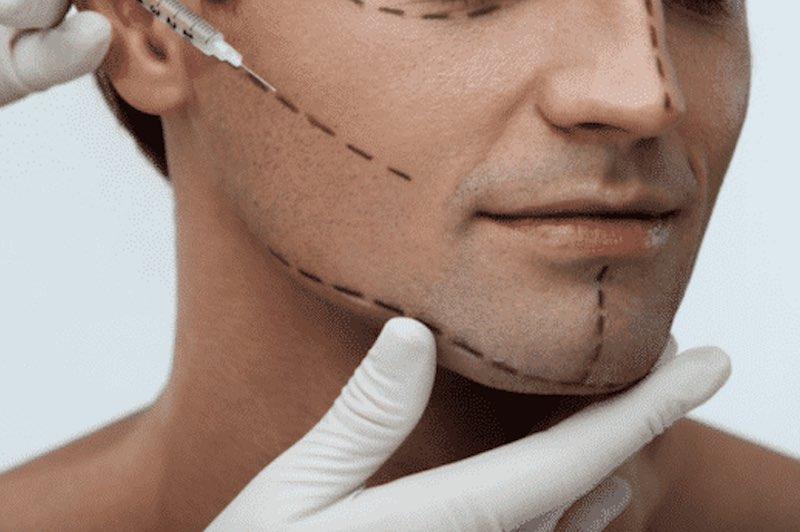
Facial fat distribution is one of the most influential yet often underestimated factors in determining the outcome of jawline surgery. While bone structure provides the foundation of the lower face, it is the overlying fat compartments that shape how definition, contour, and balance are ultimately perceived. Even when the jawbone is well-defined, uneven or excessive fat accumulation can obscure sharp angles and soften the appearance of the jawline. On the other hand, well-balanced fat distribution can enhance skeletal contours and create a naturally sculpted look without requiring aggressive structural changes. The face contains multiple fat pads located in different regions, including the cheeks, jowls, chin area, and neck, and each of these contributes differently to the overall harmony of the lower face. As people age or experience weight fluctuations, these fat compartments shift, shrink, or expand, altering the visible shape of the jawline. This is why surgical planning must always consider not only the bone but also the soft tissue envelope that covers it. Ignoring fat distribution can lead to unnatural or imbalanced outcomes, even if the bone work itself is precise. In modern facial aesthetics, Jawline Surgery In Islamabad is closely associated with detailed analysis of facial fat distribution, ensuring that structural refinement and soft tissue balance work together to create natural, proportionate, and long-lasting jawline definition.
Understanding Facial Fat Compartments
The face contains separate fat pads.
Each pad affects facial contour differently.
Distribution varies from person to person.
Role of Fat in Jawline Appearance
Fat shapes surface definition.
It softens or sharpens contours.
It directly impacts jawline visibility.
Why Bone Alone Does Not Define Jawline
Bone provides structural framework.
Fat determines visible outline.
Both must work together.
Types of Facial Fat Layers
Deep fat supports structure.
Superficial fat shapes appearance.
Both layers influence contour.
How Cheek Fat Influences Jawline Definition
Cheek fullness affects lower face balance.
Excess fat reduces jaw visibility.
Balanced cheeks enhance contour.
Role of Jowl Fat in Lower Face Aging
Jowl fat descends with age.
It creates sagging appearance.
It blurs jawline border.
Submental Fat and Double Chin Formation
Fat under chin reduces definition.
It softens neck-jaw transition.
Reduction improves sharpness.
How Fat Distribution Changes With Age
Fat compartments shift downward.
Volume decreases in upper face.
Lower face becomes heavier.
Genetic Influence on Fat Patterns
Genetics determine fat placement.
Some faces retain cheek fullness.
Others accumulate lower fat.
Importance of Pre-Surgical Fat Analysis
Fat is carefully evaluated.
Distribution patterns are mapped.
Planning becomes highly personalized.
Role of Weight in Jawline Definition
Weight gain increases fat volume.
It hides bone structure.
Weight loss may enhance definition.
Why Over-Removal of Fat Can Be Problematic
Excess removal creates hollowness.
It leads to unnatural appearance.
Balance is more important.
Fat Redistribution After Surgery
Tissues adjust post-procedure.
Remaining fat settles naturally.
Contours gradually refine.
Interaction Between Fat and Skin Elasticity
Skin must adapt to fat changes.
Poor elasticity affects results.
Good elasticity improves contour.
Importance of Symmetry in Fat Distribution
Uneven fat causes imbalance.
Jawline may appear asymmetrical.
Correction improves harmony.
How Fat Affects Surgical Planning Strategy
Surgical depth depends on fat layer.
Technique is adjusted accordingly.
Customization ensures better results.
Role of Imaging in Fat Mapping
3D scans analyze volume.
Fat distribution is visualized.
Planning becomes more accurate.
Impact of Fat on Male and Female Jawlines
Male faces may need definition.
Female faces require softness balance.
Fat plays key role in both.
Combining Fat Management with Bone Contouring
Both layers are addressed together.
This enhances overall structure.
Harmony is achieved effectively.
Importance of Conservative Fat Adjustment
Natural results are prioritized.
Minimal changes avoid imbalance.
Subtle refinement works best.
How Fat Affects Post-Surgical Healing
Swelling interacts with fat layers.
It temporarily alters appearance.
Final results appear later.
Psychological Perception of Facial Fat
Fat affects perceived attractiveness.
Balance improves confidence.
Harmony enhances facial identity.
Long-Term Stability of Fat-Related Results
Fat cells remain stable.
Distribution may change slowly.
Maintenance depends on lifestyle.
Role of Lifestyle in Fat Maintenance
Diet affects fat volume.
Exercise improves balance.
Healthy habits support results.
Future Trends in Fat-Based Facial Design
AI mapping will improve precision.
Fat modeling will enhance planning.
Personalization will increase.
Importance of Individualized Fat Assessment
Every face has unique pattern.
No two distributions are identical.
Customization is essential.
FAQs
Why is facial fat important in jawline surgery?
Because it directly affects how visible and defined the jawline appears after surgery.
Can fat removal alone improve jawline definition?
In some cases yes, but balanced planning with bone structure gives better results.
Does fat distribution change with age?
Yes, fat gradually shifts downward and affects facial contour.
Is fat reduction permanent?
Yes, but overall facial aging and weight changes can still influence appearance.
Why is personalized fat analysis necessary?
Because every individual has a unique fat pattern that requires customized surgical planning.

 عربي
عربي