


 SPARK Website
Understanding Panic Attacks and Panic Disorder
Introduction
A person may suffer from panic attacks that occur out of the blue. The symptoms include intense fear, rapid heartbeat, chest pain, dizziness, profuse sweating, and difficulty breathing. Despite the fact that panic attacks usually do not last long, they still can be very distressing. Panic attacks may occur once, or they might be repeated in the case of panic disorder—an illness characterized by repeated attacks.
People tend to avoid social interactions, traveling, and crowds due to the fear of experiencing a new panic attack. Proper treatment is very important for people suffering from this condition.
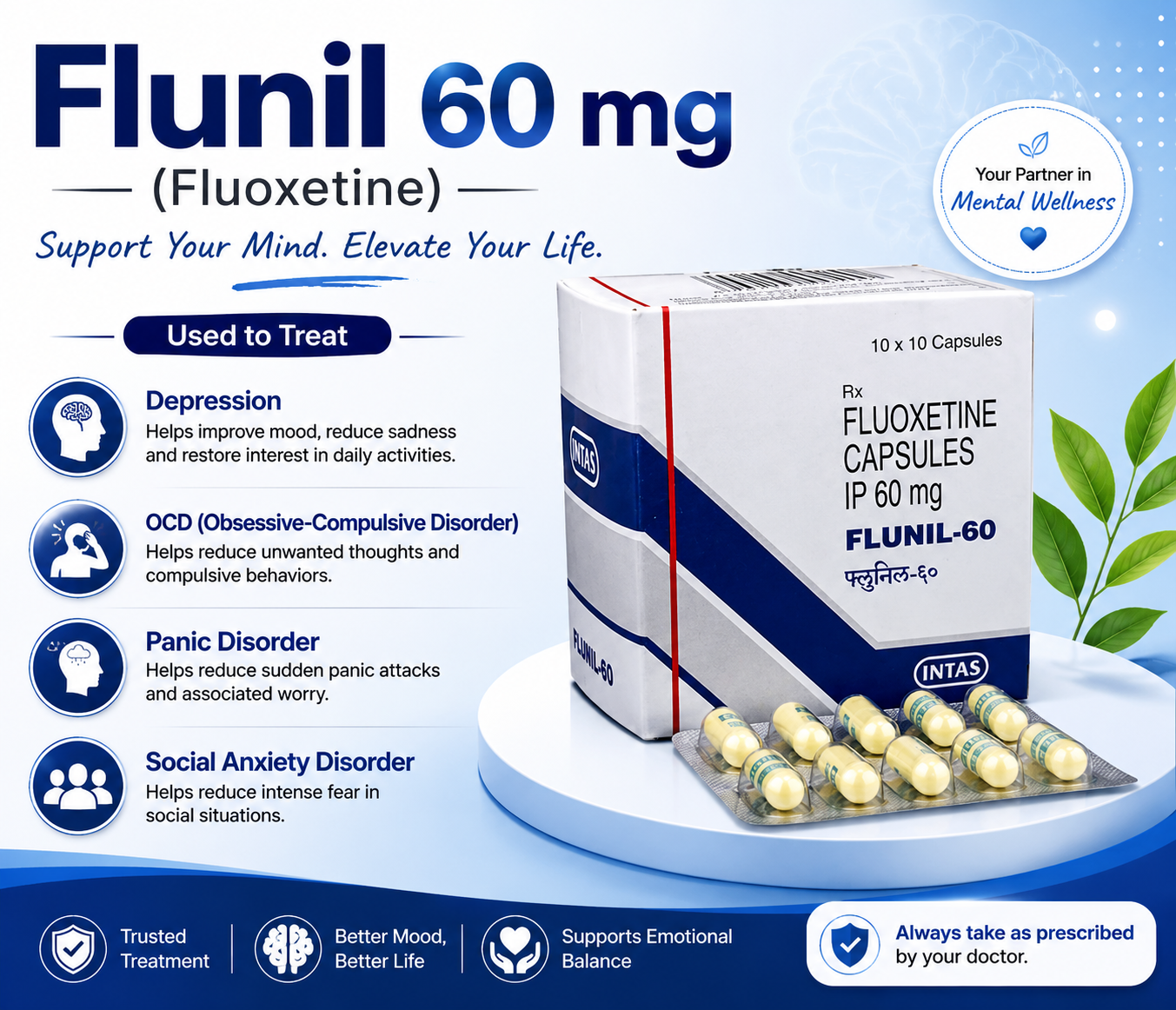
Individuals in search of treatment details can stumble upon Flunil 60 mg (Fluoxetine), which could be prescribed by doctors in connection with an effective treatment program for panic disorder. Proper treatment must be done following professional advice and proper consultations.
Besides treatment, there are other things that could be advised by health practitioners in the process of treatment, and these may include changes in lifestyle and therapy. Individuals can use Fluxican 60 Mg (Fluoxetine) as per professional guidance during their treatment program. It is the duty of the physician to choose the best way out.
What Is a Panic Attack?
Panic attack refers to an instance of overwhelming fear that happens suddenly. Such attacks can be spontaneous or occur after being exposed to a stressful situation.
During a panic attack, the fight-or-flight response becomes overly activated despite there being no actual threat. The activation of this response leads to different symptoms which may seem alarming.
Although panic attacks do not pose any danger, they appear as emergencies to individuals who experience them for the first time. The majority of individuals visit the emergency department during the first attack believing that they have a heart condition.
What Is Panic Disorder?
Panic disorder is one type of anxiety disorder which includes recurrent unexpected panic attacks. Patients with this disorder usually have fears that they will experience another attack. The constant fear may impact their lifestyle and behavior.
Patients do not drive anymore, stay away from the malls and even do not want to participate in various social events because they have fear of a panic attack.
If untreated, this disorder will influence the patients' life in many ways.
Common Symptoms of Panic Attacks
Symptoms often appear suddenly and become intense within a few minutes.
Common symptoms include:
- Rapid heartbeat
- Chest pain or tightness
- Shortness of breath
- Sweating
- Shaking or trembling
- Feeling dizzy
- Nausea
- Chills or hot flashes
- Tingling in the hands or feet
- Feeling detached from reality
- Fear of losing control
- Fear of dying
Not everyone experiences the same symptoms. Some people have only a few, while others experience many at once.
Causes of Panic Disorder
Doctors do not know the exact cause of panic disorder. However, several factors may increase the risk.
These include:
Family History
People with close family members who have anxiety disorders may have a higher risk.
Stress
Major life changes, financial problems, workplace pressure, or personal loss can trigger panic attacks.
Brain Chemistry
Changes in brain chemicals involved in mood and anxiety may contribute to panic disorder.
Personality
People who are more sensitive to stress or negative emotions may develop panic disorder more easily.
Risk Factors
Several factors increase the likelihood of developing panic disorder.
These include:
- Family history of anxiety disorders
- High levels of stress
- Traumatic experiences
- Major life changes
- Smoking
- Excessive caffeine intake
Reducing these risk factors may help lower the chance of future panic attacks.
How Doctors Diagnose Panic Disorder
Healthcare providers diagnose panic disorder by reviewing symptoms, medical history, and physical health.
The evaluation may include:
- A physical examination
- Questions about symptoms
- Mental health assessment
- Tests to rule out heart disease or other medical conditions
An accurate diagnosis helps ensure proper treatment.
Treatment Options
The purpose of treatment is to lessen the frequency of panic attacks and make life easier.
The treatment normally involves the use of therapy, lifestyle changes, and medication when needed.
Each person's treatment will be different. It is essential to take heed of the doctor's advice.
Lifestyle Changes That Can Help
Healthy habits can support recovery and reduce anxiety symptoms.
Helpful lifestyle changes include:
Exercise Regularly
Physical activity helps reduce stress and improve mood.
Get Enough Sleep
Good sleep supports emotional health and lowers anxiety.
Eat a Balanced Diet
Healthy foods provide energy and help maintain overall well-being.
Limit Caffeine
Too much caffeine may increase feelings of nervousness.
Avoid Smoking
Smoking may worsen anxiety symptoms in some people.
Practice Relaxation Techniques
Deep breathing, meditation, and mindfulness exercises help many people manage stress.
Coping During a Panic Attack
If a panic attack begins, try these simple techniques:
- Take slow, deep breaths.
- Focus on your surroundings.
- Remind yourself that the attack will pass.
- Stay where you are if it is safe.
- Avoid fighting the symptoms.
These methods may reduce the intensity of the attack.
When Should You Seek Medical Help?
You should speak with a healthcare professional if:
- Panic attacks happen repeatedly.
- Fear interferes with daily activities.
- Symptoms become more severe.
- You avoid places because of anxiety.
- Panic attacks affect work or relationships.
Early treatment often leads to better outcomes.
Panic Disorder Around the World
Panic disorder is an ailment that is not restricted by age or ethnicity. Medical professionals from USA, Canada, and Australia continue to educate and become more effective when it comes to diagnosis and treatment of panic disorders.
It does not matter where one resides because timely detection and consultation with a healthcare professional will make a difference.
Tips for Supporting Someone With Panic Disorder
Family and friends play an important role in recovery.
You can help by:
- Listening without judgment
- Encouraging professional treatment
- Remaining calm during an attack
- Learning about panic disorder
- Being patient throughout recovery
Support from loved ones often improves treatment success.
Conclusion
Though quite scary, panic attacks are treatable conditions. One does not need to be a hostage of a panic disorder since there is a way out. First, one should know how to identify symptoms of the disease and what causes it.
One may live without panic disorder using appropriate lifestyle routines and emotional assistance, among other measures. In case one experiences repeated attacks of panic disorder that start interfering with normal activities, one should see a health practitioner who will guide him/her on the right treatment methods.

 English