


 SPARK Website
Why Mountain Railway Lines Around the World Still Matter
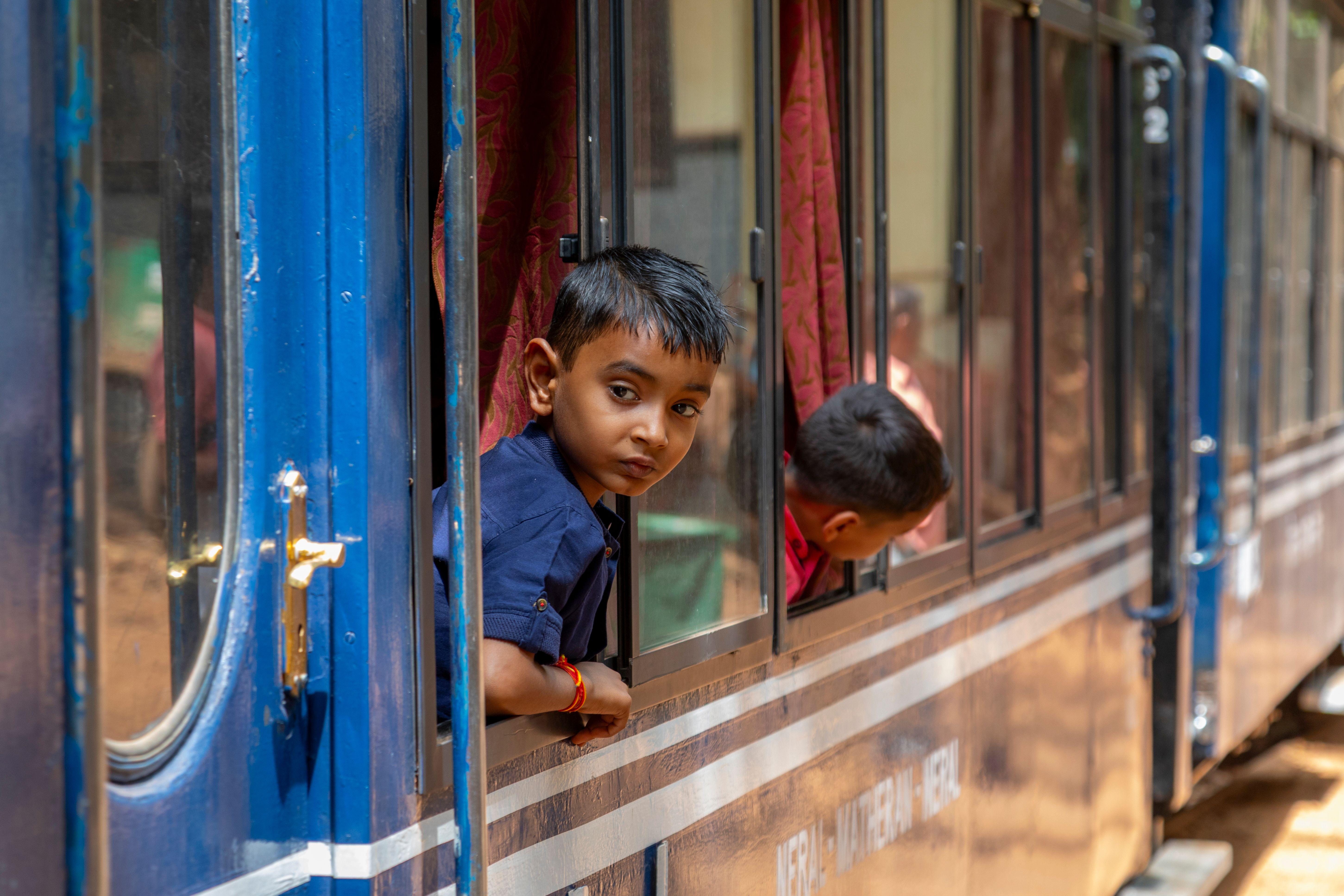
At a time when high-speed rail is expanding across Asia and Europe and long-distance air travel is cheaper than ever, the fact that century-old mountain railways are still running, still attracting visitors, and still being preserved is worth examining. These lines matter for reasons that go beyond nostalgia, and understanding those reasons changes how you experience them as a traveler.
How Mountain Railway Lines Shaped the Towns They Connected
Before mountain railways existed, the towns at the end of the line were either isolated communities with limited outside contact or seasonal destinations accessible only in fair weather. The arrival of a railway changed the economic and social character of these places fundamentally. In Shimla, the railway transformed the city from a difficult-to-reach hill retreat into the administrative capital of the largest empire in the world. In Darjeeling, the railway made the tea trade viable at a commercial scale. In Ooty, it opened the hill station to a much broader range of visitors than had been able to reach it before.
The character of these towns today, their architecture, their economy, and their relationship to the landscape around them, is directly shaped by the railway that served them.
What Keeps Mountain Railway Lines Running After a Century
The combination of tourism revenue, heritage designation, and government commitment to maintaining historical infrastructure is what keeps most surviving mountain railways operational. None of them are financially self-sustaining purely on passenger numbers in the way a mainline commuter service might be. They survive because the case for their cultural and historical value is strong enough to justify ongoing investment, and because the alternative, demolishing or abandoning them, would be an irreversible loss.
For travelers, this means that visiting these railways is a genuine act of support for their continued existence, not just a personal experience.
Which Mountain Railway Lines Are UNESCO Protected Around the World
The Mountain Railways of India covers the Kalka to Shimla, Darjeeling, and Nilgiri lines. The Rhaetian Railway in Switzerland, which includes the famous Glacier Express and Bernina Express routes, is a UNESCO World Heritage Site. The Semmering Railway in Austria was the first mountain railway to receive the designation, inscribed in 1998. The Viipuri to Vyborg railway in Russia has heritage status under Russian law. Collectively, these lines represent some of the most significant surviving examples of 19th and early 20th-century mountain railway engineering.
How Mountain Railway Lines Handle Extreme Weather and Terrain
Mountain railways face weather and terrain challenges that no other type of railway deals with at the same scale. Avalanches, landslides, flash flooding, extreme cold, and high winds are all regular threats on high-altitude lines. Engineering solutions include snowsheds, drainage systems, reinforced tunnel portals, and flexible maintenance schedules that can respond to conditions quickly. The staff who maintain these lines develop expertise in mountain railway infrastructure that is genuinely specialized and not easily replicated.
What Maintaining a Mountain Railway Line Actually Involves
Track maintenance on a mountain narrow-gauge line is labor intensive and expensive. The constant curves put more lateral stress on the rails than straight sections, requiring more frequent inspection and replacement. Tunnel walls need to be checked regularly for cracking or water infiltration. Bridge structures are inspected for corrosion and structural integrity. The steep gradients stress the braking and traction systems of the locomotives more than flat-line operation.
On the Kalka to Shimla line, the engineering department of Northern Railway manages this maintenance program across 96 kilometers of mountain terrain with 102 tunnels and 864 bridges. The scale of that ongoing effort is easy to underestimate from the comfort of a Vistadome seat.
Why Riding Mountain Railway Lines Feels Different in Every Country
The landscape, the history, and the engineering solutions each country chose to solve the same fundamental problem, getting a train through difficult terrain, all differ in ways that give each line a distinct character. Swiss mountain railways feel precise and perfectly maintained. Indian heritage railways feel lived-in and historically layered. Peruvian mountain lines feel adventurous and connected to ancient landscape. American narrow-gauge railways feel frontier and industrial. The core experience of a slow climb through dramatic scenery is shared, but the context around it is completely different each time.
How Mountain Railway Lines Attract Both Tourists and Locals Today
The dual use of these lines is part of what keeps them viable. In Shimla, some residents still use the railway for practical travel between smaller stations and the city. In Darjeeling, locals ride the steam joyride alongside tourists. This overlap between heritage tourism and everyday transport gives the lines a character that purely tourist-focused heritage railways lack. You are not in a museum exhibit. You are on a working piece of infrastructure that has been serving the communities around it for over a century.
https://www.travelosei.com/hello-india/shimla-toy-train
FAQs
What is the oldest mountain railway still in operation?
The Semmering Railway in Austria, opened in 1854, is generally considered the oldest mountain railway still in regular operation. It was also the first mountain railway to receive UNESCO World Heritage designation.
Are mountain railway lines environmentally sustainable?
Rail travel in general is significantly more energy-efficient than road or air travel. Mountain railways that use electric traction are particularly low-impact, though diesel-powered heritage lines have a higher carbon footprint per passenger than mainline electric services.
Can I volunteer or donate to help preserve mountain railway lines?
Yes, many heritage railway preservation societies accept both volunteers and donations. In the US, organizations supporting lines like the Durango and Silverton Railroad have active volunteer and membership programs.

 عربي
عربي