Managing structured data efficiently is essential in today’s fast-paced digital environment. Whether you are a developer, data analyst, or IT professional, working with XML files is a common part of your workflow. However, raw XML can often appear cluttered and difficult to interpret. This is where a reliable xml formatter becomes invaluable. By organizing your XML data into a clear and readable format, you can streamline your processes, improve accuracy, and enhance productivity across your projects.
Understanding XML and Its Importance
XML (Extensible Markup Language) is widely used for storing and transporting data in a structured way. It allows users to define custom tags, making it highly flexible and adaptable for various applications. From web services and APIs to configuration files and data exchange systems, XML plays a vital role in modern technology.
The primary strength of XML lies in its ability to represent complex data structures in a standardized format. However, when XML files are not properly formatted, they can become difficult to read and manage. This makes formatting a crucial step in ensuring that XML data remains accessible and efficient to work with.
Why XML Formatting Matters
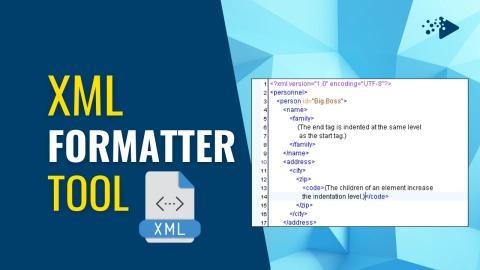
XML formatting is not just about making your code look good—it significantly improves functionality and usability. Properly formatted XML allows developers and teams to work more effectively by presenting data in a logical and organized manner.
Here are some key reasons why XML formatting is important:
- Clarity and Readability: Clean formatting makes it easier to understand the hierarchy of elements.
- Error Reduction: Structured XML helps identify missing tags or inconsistencies quickly.
- Better Collaboration: Teams can work on shared files more efficiently when the structure is clear.
- Enhanced Performance: Well-structured data ensures smooth integration with systems and tools.
- Professional Presentation: Neatly formatted XML reflects high-quality development practices.
Features of a Good XML Formatter
An effective XML formatter offers more than just indentation. It enhances the overall experience of working with XML files by providing useful features that simplify complex tasks.
Some essential features include:
Automatic Indentation
A good formatter automatically aligns elements according to their hierarchy, making the structure visually clear.
Syntax Highlighting
Color-coded tags and attributes improve readability and help users quickly identify different parts of the XML.
Error Detection
Advanced formatters can highlight structural issues, helping users correct mistakes efficiently.
Minification and Beautification
Users can switch between compact (minified) and expanded (beautified) formats depending on their needs.
Cross-Platform Accessibility
Many tools are accessible across devices, allowing users to format XML files anytime and anywhere.
Common Applications of XML Formatting
XML formatting is widely used across multiple industries and technical fields. Its versatility makes it a key component in various workflows.
Web Development
Developers use formatted XML for managing data exchange between servers and clients, ensuring smooth communication.
Enterprise Systems
Large-scale applications rely on XML for configuration and data storage, making formatting essential for maintenance and updates.
Data Analysis
Analysts working with structured datasets benefit from clean XML, which simplifies parsing and transformation.
Content Management Systems
XML is often used to store structured content such as articles, product data, and documentation, where formatting ensures consistency.
API Integration
Formatted XML ensures that APIs process and transmit data accurately without errors.
Advantages of Using Online XML Tools
With the advancement of cloud-based solutions, formatting XML has become more convenient than ever. Using an xml formatter online provides instant access to powerful formatting capabilities without the need for installation.
Online tools offer several advantages:
- Instant Results: Format XML data in seconds with a single click.
- No Installation Required: Access tools directly from your browser.
- User-Friendly Interface: Simple layouts make it easy for beginners and professionals alike.
- Accessibility Anywhere: Use the tool on any device with internet access.
- Secure Processing: Modern tools ensure safe handling of your data.
These benefits make online XML formatters a preferred choice for users who need quick and efficient solutions.
Best Practices for XML Formatting
To achieve the best results, it is important to follow proven formatting practices. These guidelines help maintain consistency and improve the quality of your XML files.
- Maintain Consistent Indentation: Use a uniform spacing style throughout the document.
- Organize Elements Logically: Group related data for better clarity.
- Use Descriptive Tags: Clearly defined tags improve understanding of the data.
- Validate Regularly: Ensure your XML follows proper syntax rules.
- Keep It Clean: Remove unnecessary spaces and redundant elements.
By following these practices, you can create XML files that are both functional and easy to manage.
Enhancing Productivity with XML Formatting
Incorporating XML formatting into your daily workflow can significantly boost productivity. Instead of spending time manually organizing data, automated tools handle the process efficiently. This allows you to focus on more critical tasks such as development, analysis, and problem-solving.
Teams that adopt standardized formatting practices also benefit from improved communication and reduced errors. When everyone works with clean and structured XML, collaboration becomes smoother and more effective.
The Role of XML in Modern Technology
Despite the emergence of alternative data formats, XML continues to hold a strong position in many industries. Its flexibility, reliability, and widespread adoption make it a trusted choice for data representation.
From enterprise applications to web services, XML remains a backbone for structured data exchange. Proper formatting ensures that XML continues to meet the demands of modern technology while maintaining its core strengths.
Conclusion
XML formatting is a powerful practice that transforms complex data into a clear and organized structure. It enhances readability, reduces errors, and improves overall efficiency in handling XML files. Whether you are working on small projects or large-scale systems, using the right tools and techniques can make a significant difference.
By integrating XML formatting into your workflow, you ensure that your data remains clean, consistent, and easy to manage. This not only improves your productivity but also supports better collaboration and long-term success in any data-driven environment.



 SPARK Website

 عربي
عربي