


 SPARK Website
Can a Web Design Company in Mumbai Create Mobile-Friendly Websites?
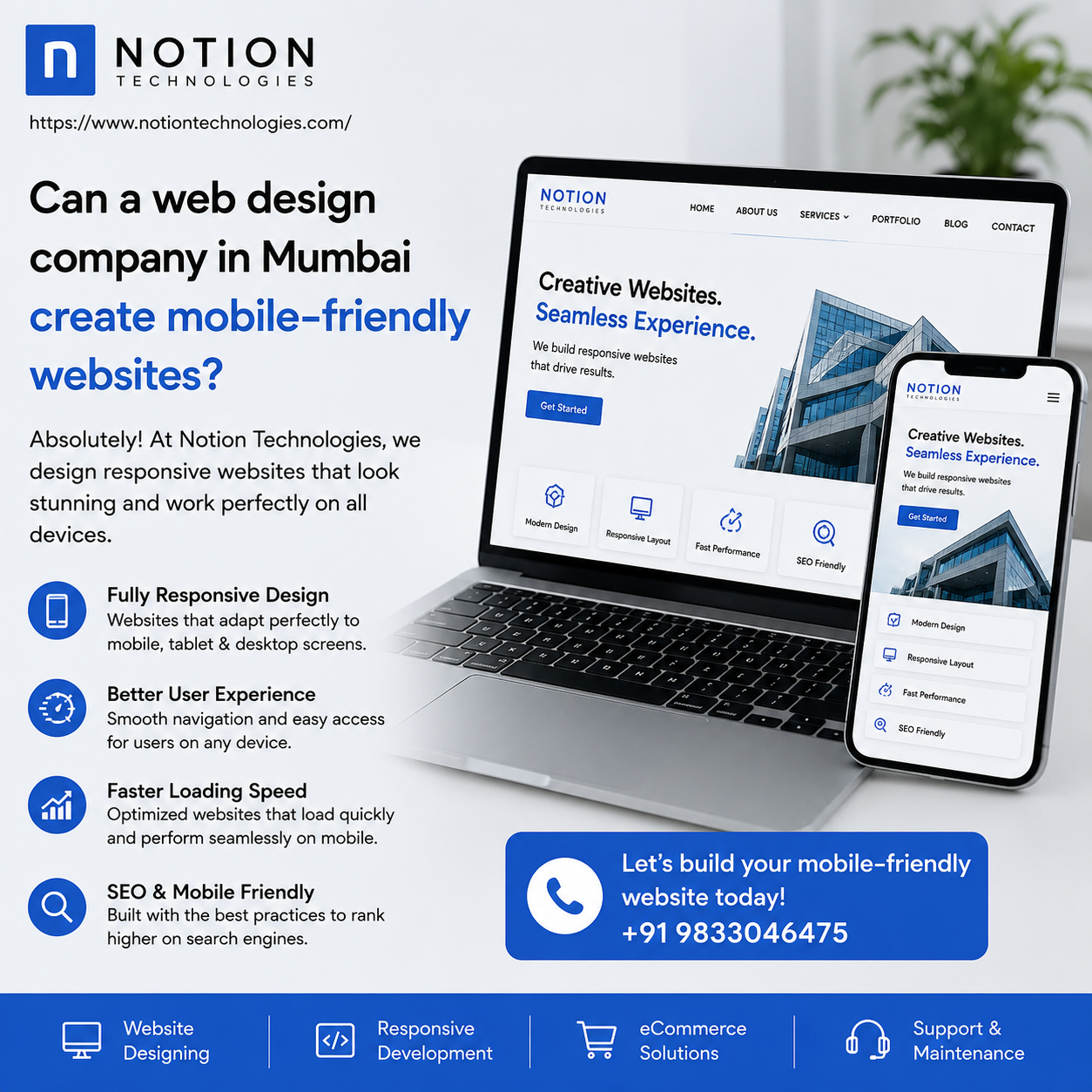
Introduction
In today's digital world, mobile devices have become the primary way people access the internet. From browsing products and reading articles to booking services and making purchases, users increasingly rely on smartphones and tablets for their online activities. Because of this shift in user behavior, businesses can no longer afford to have websites that only perform well on desktop computers.
This is where a web design company in mumbai plays a crucial role. Professional web designers understand the importance of responsive design, mobile usability, and performance optimization. They create websites that function seamlessly across all screen sizes and devices, ensuring visitors enjoy a smooth browsing experience regardless of how they access the site.
In this article, we will explore how mobile-friendly websites are created, why they matter, and how professional web design services help businesses succeed in the mobile-first era.
What Is a Mobile-Friendly Website?
A mobile-friendly website is designed to function properly on smartphones, tablets, and other mobile devices.
Instead of requiring users to zoom in, scroll horizontally, or struggle with navigation, a mobile-friendly website automatically adapts its layout and content to fit different screen sizes.
Key characteristics include:
- Responsive layouts
- Fast loading speeds
- Easy navigation
- Readable text
- Optimized images
- Touch-friendly buttons
These features improve usability and enhance the overall user experience.
Why Mobile-Friendly Websites Are Important
Mobile internet usage continues to grow globally.
Search engines such as Google prioritize websites that provide excellent mobile experiences. This means mobile optimization directly affects both visibility and customer engagement.
Benefits of mobile-friendly websites include:
Better User Experience
Visitors can easily access information without frustration.
Higher Search Rankings
Google uses mobile-first indexing when evaluating websites.
Increased Engagement
Users are more likely to stay on mobile-friendly websites.
Better Conversion Rates
A smooth mobile experience encourages inquiries and purchases.
Competitive Advantage
Businesses stand out from competitors with outdated websites.
Mobile optimization is now considered a necessity rather than an option.
Understanding Responsive Web Design
Responsive design is the most common approach used to create mobile-friendly websites.
Responsive websites automatically adjust their layout based on screen size and device type.
Features of responsive design include:
Flexible Layouts
Content adjusts dynamically to fit available screen space.
Adaptive Images
Images resize appropriately across devices.
Responsive Navigation
Menus remain accessible and user-friendly.
Consistent Branding
The website maintains a professional appearance across all platforms.
Responsive design ensures users receive a seamless experience regardless of device.
Mobile-First Design Approach
Many modern designers use a mobile-first strategy.
Instead of designing for desktops first and adapting later, they begin with mobile devices and expand the design for larger screens.
Benefits include:
Improved Usability
Mobile users receive priority attention.
Faster Loading Times
Simplified designs often improve performance.
Better User Experience
Important content remains accessible.
Stronger SEO Performance
Search engines favor mobile-friendly websites.
Mobile-first design aligns with current browsing trends and search engine requirements.
Optimizing Website Speed for Mobile Users
Speed is one of the most important factors affecting mobile usability.
Mobile users expect websites to load quickly.
Slow websites often result in:
- Higher bounce rates
- Reduced engagement
- Lower conversions
- Poor user satisfaction
Professional designers improve speed through:
Image Optimization
Compressing images without sacrificing quality.
Code Minification
Removing unnecessary code.
Browser Caching
Reducing repeat load times.
Server Optimization
Improving website responsiveness.
Fast websites create better experiences and support business goals.
Mobile-Friendly Navigation Design
Navigation is critical for mobile usability.
Smaller screens require intuitive and simplified navigation systems.
Common mobile navigation features include:
Hamburger Menus
Saving screen space while maintaining accessibility.
Sticky Navigation
Keeping important links visible.
Simplified Menu Structures
Reducing user confusion.
Touch-Friendly Controls
Improving interaction accuracy.
Well-designed navigation helps users find information quickly.
Creating Readable Mobile Content
Content presentation significantly affects mobile usability.
Designers ensure content remains easy to read by focusing on:
Appropriate Font Sizes
Preventing users from zooming.
Adequate Spacing
Improving readability.
Short Paragraphs
Enhancing content consumption.
Clear Headings
Helping users scan information.
Readable content improves engagement and user satisfaction.
Optimizing Images for Mobile Devices
Images enhance visual appeal but can negatively affect performance if not optimized.
Professional web designers use techniques such as:
Image Compression
Reducing file sizes.
Responsive Images
Serving different image sizes based on device type.
Modern Formats
Using efficient image formats.
Lazy Loading
Loading images only when needed.
Optimized images improve both speed and visual quality.
Mobile SEO Considerations
Mobile-friendly websites support search engine optimization efforts.
Search engines evaluate mobile usability as part of ranking algorithms.
Mobile SEO improvements include:
Responsive Design
Supporting mobile-first indexing.
Faster Page Speeds
Improving user satisfaction.
Mobile Accessibility
Ensuring content remains accessible.
Improved User Experience
Reducing bounce rates.
A well-designed mobile website contributes to stronger search performance.
Touch-Friendly User Interface Design
Mobile users interact with websites through touch rather than mouse clicks.
Designers create touch-friendly interfaces by:
Enlarging Buttons
Making actions easier to perform.
Increasing Clickable Areas
Reducing user frustration.
Preventing Accidental Clicks
Improving usability.
Simplifying Interactions
Creating intuitive experiences.
Touch-friendly interfaces increase engagement and usability.
Mobile E-Commerce Optimization
For online stores, mobile optimization is especially important.
Many consumers shop directly from smartphones.
Mobile e-commerce enhancements include:
Simplified Checkout Processes
Reducing cart abandonment.
Mobile Payment Integration
Supporting digital payment options.
Fast Product Browsing
Improving user convenience.
Responsive Product Pages
Enhancing shopping experiences.
Mobile-friendly e-commerce websites often achieve higher sales.
Testing Across Multiple Devices
Professional designers thoroughly test websites before launch.
Testing ensures consistency across:
- Smartphones
- Tablets
- Desktop computers
- Different browsers
- Various operating systems
Testing helps identify and resolve usability issues before users encounter them.
Accessibility and Mobile Design
Accessibility improves website usability for all users.
Designers focus on:
Readable Text
Supporting diverse audiences.
Keyboard Accessibility
Providing alternative navigation options.
Proper Contrast Ratios
Improving visibility.
Screen Reader Compatibility
Supporting users with disabilities.
Accessible websites create inclusive experiences and improve compliance.
Common Mobile Design Mistakes Avoided by Professionals
Experienced web designers avoid common errors such as:
Slow Loading Pages
Reducing user frustration.
Small Text Sizes
Improving readability.
Intrusive Pop-Ups
Enhancing usability.
Complex Navigation
Making information easier to find.
Unresponsive Layouts
Ensuring compatibility across devices.
Avoiding these mistakes leads to stronger website performance.
Benefits of Hiring Professional Web Designers
Working with experienced professionals offers several advantages.
Technical Expertise
Access to advanced design knowledge.
Better User Experience
Creating intuitive websites.
SEO-Friendly Design
Supporting search engine visibility.
Ongoing Support
Helping maintain website performance.
Improved Business Results
Increasing engagement and conversions.
Professional web design provides long-term value.
Future Trends in Mobile Web Design
Mobile web design continues to evolve.
Emerging trends include:
Progressive Web Apps
Combining website and app functionality.
Voice Search Optimization
Supporting voice-based interactions.
AI-Powered Personalization
Improving user experiences.
Advanced Performance Optimization
Reducing load times further.
Businesses that embrace these trends can remain competitive.
How Mobile-Friendly Websites Support Business Growth
Mobile-friendly websites contribute to business success by:
- Increasing visibility
- Improving customer engagement
- Enhancing user satisfaction
- Supporting SEO efforts
- Boosting conversions
- Strengthening brand reputation
These benefits help businesses achieve sustainable growth in competitive markets.
Conclusion
A web design company in mumbai can absolutely create mobile-friendly websites that deliver excellent user experiences across smartphones, tablets, and desktop devices. Through responsive design, mobile-first development, speed optimization, touch-friendly navigation, SEO enhancements, and comprehensive testing, professional web designers ensure websites meet modern user expectations. As mobile browsing continues to dominate internet usage, investing in a mobile-friendly website is essential for improving visibility, attracting customers, and supporting long-term business growth.
FAQ Questions
1. Can a web design company in mumbai create mobile-friendly websites?
Yes, a web design company in mumbai can create mobile-friendly websites using responsive design, mobile-first development, optimized navigation, fast-loading pages, and user-friendly layouts that perform seamlessly across all devices.
2. What is a mobile-friendly website?
A mobile-friendly website automatically adapts to different screen sizes and provides an optimized experience for smartphone and tablet users.
3. Why is mobile optimization important for SEO?
Google uses mobile-first indexing, meaning mobile-friendly websites are more likely to achieve better search rankings.
4. What is responsive web design?
Responsive web design allows website layouts and content to adjust automatically based on the user's screen size and device.
5. How does a mobile-friendly website improve conversions?
Mobile-friendly websites provide better usability, faster loading speeds, and smoother navigation, making visitors more likely to complete desired actions such as purchases or inquiries.
Read Our Previous Blog------------->What strategies are used in SEO Services in Mumbai?

 عربي
عربي