


 SPARK Website
The Role of Technology in Modern Hair Restoration in Riyadh
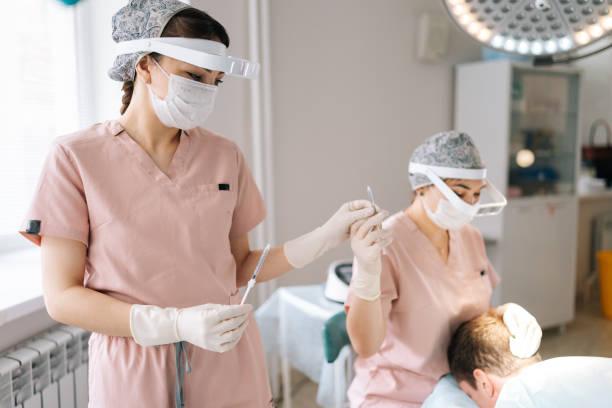
Hair loss is a concern that affects countless individuals, impacting self-confidence and overall appearance. In response to this, advanced medical technology has revolutionized the field of hair restoration, making it safer, more effective, and highly precise. Hair Transplant in Riyadh has become one of the most sought-after solutions for individuals seeking to restore natural hair growth. By combining modern techniques with scientific research, these procedures offer results that are both aesthetically pleasing and long-lasting.
In recent years, individuals exploring effective hair restoration solutions have increasingly considered hair transplant in Riyadh. Advanced technologies have transformed traditional approaches, ensuring that hair transplantation is not only more efficient but also minimally invasive. Clinics now utilize digital planning tools, microscopic instrumentation, and robotic assistance to optimize the extraction and implantation of hair follicles. This scientific approach ensures that each procedure is tailored to the patient’s unique scalp condition and hair density.
Understanding Hair Loss and Its Impact
Hair loss can occur due to a variety of factors, including genetics, hormonal changes, aging, stress, and environmental conditions. Androgenetic alopecia, or pattern baldness, is one of the most common causes, affecting both men and women. Hair follicles gradually lose their ability to produce healthy hair strands, leading to thinning or bald patches. This not only affects appearance but can also impact self-esteem and emotional well-being.
Environmental and lifestyle factors, such as poor nutrition, pollution, and chronic stress, can further exacerbate hair loss. Modern hair restoration technology addresses these challenges by targeting the scalp at a cellular level, revitalizing dormant follicles, and ensuring optimal conditions for new hair growth. This integration of science and technology is what sets modern hair transplantation apart from older, less precise methods.
Advanced Technology in Hair Restoration
Precision Follicular Extraction
One of the most significant technological advancements in hair restoration is Follicular Unit Extraction (FUE). This method involves the meticulous removal of individual hair follicles from the donor area using specialized micro-instruments. Technology allows specialists to identify and extract only the healthiest follicles, minimizing damage and maximizing the chances of successful growth. The precision of FUE ensures that transplanted hair blends naturally with existing strands, creating a seamless appearance.
Robotic-Assisted Transplantation
Robotic systems have further elevated the precision of hair transplantation procedures. Using advanced imaging and mapping technology, these systems can assist surgeons in identifying the optimal hair follicles for extraction and implantation. Robotic assistance reduces human error, ensures consistent placement, and accelerates the overall procedure. This integration of robotics highlights how modern technology enhances both efficiency and results in Hair Transplant in Riyadh.
Digital Planning and Imaging
Digital imaging technology plays a crucial role in modern hair restoration. By creating detailed visual maps of the scalp, specialists can analyze hair density, scalp condition, and growth patterns. This allows for personalized treatment planning, ensuring that hairlines are natural, density is balanced, and the overall result complements the patient’s facial structure. These tools empower patients to visualize expected outcomes and set realistic expectations for their treatment.
Natural Growth and Long-Term Results
One of the most remarkable aspects of technologically advanced hair transplantation is the natural growth of transplanted follicles. Because donor follicles are typically resistant to hair loss, they continue to grow naturally after being transplanted. Initially, some shedding may occur as part of the hair growth cycle, but new hair gradually emerges, becoming thicker and stronger over time.
Long-term success depends on proper aftercare and adherence to post-procedure guidelines. With modern technology guiding every step, Hair Transplant in Riyadh provides a solution that is both durable and aesthetically pleasing, helping individuals regain their natural appearance and confidence.
Hair loss can occur due to multiple factors including genetics, hormonal changes, lifestyle habits, and environmental influences. Androgenetic alopecia, commonly known as pattern baldness, is one of the most prevalent causes of thinning hair. Hormonal fluctuations, stress, poor nutrition, and aging can also affect hair density over time. Modern hair transplant methods are designed to address these issues by restoring follicles from areas resistant to hair loss, ensuring long-term growth and density.
Genetic and Hormonal Influences
Genetics plays a significant role in determining hair loss patterns and the likelihood of baldness. Hormonal imbalances can exacerbate thinning by disrupting the natural growth cycle of hair follicles. Understanding these factors allows specialists to tailor hair restoration techniques that target the root cause of hair loss.
Lifestyle and Environmental Factors
Diet, stress, and environmental conditions can influence hair health. Poor nutrition can weaken follicles, while stress may trigger temporary shedding. Advanced hair transplant techniques consider these factors to ensure transplanted follicles thrive in their new location.
Popular Hair Transplant Techniques
Modern hair restoration in Riyadh uses two primary techniques: Follicular Unit Extraction (FUE) and Follicular Unit Transplantation (FUT). Both methods focus on harvesting healthy follicles and transplanting them to areas experiencing thinning or baldness.
Follicular Unit Extraction (FUE)
FUE involves the removal of individual hair follicles from the donor area, usually the back or sides of the scalp. These follicles are then meticulously transplanted to the thinning regions. The precision of FUE allows for natural-looking hairlines and minimal scarring, making it one of the most sought-after methods in modern hair restoration. Recovery time is generally shorter, and patients often experience minimal discomfort.
Follicular Unit Transplantation (FUT)
FUT is another scientifically proven approach, in which a thin strip of scalp containing healthy follicles is removed from the donor region. This strip is then divided into individual follicular units and implanted in the target areas. FUT is especially useful for patients requiring a larger number of grafts and offers dense, natural results. Although it may involve a slightly longer recovery period compared to FUE, the method ensures effective restoration of hair volume.
Robotic and Advanced Techniques
In recent years, technology has enhanced traditional hair transplant methods. Robotic-assisted FUE and high-precision implantation tools enable surgeons to place follicles with unmatched accuracy. This approach not only improves the aesthetic outcome but also reduces the likelihood of damage to the follicles during transplantation. Clinics in Riyadh now utilize these advanced techniques to ensure patients receive the best possible results.
Benefits of Modern Hair Transplant Methods
One of the main advantages of hair transplantation is the restoration of natural hair growth. Transplanted follicles are resistant to hair loss, ensuring long-term stability. The procedure enhances overall appearance, boosts self-confidence, and allows patients to engage in daily activities without concern about noticeable thinning areas. Modern methods also require minimal maintenance, as transplanted hair behaves like natural hair, growing, cutting, and styling without restrictions.
Natural Appearance and Self-Confidence
A carefully designed hairline, precise follicle placement, and strategic density planning contribute to results that look completely natural. Patients often report improved self-esteem and confidence, as the restored hair allows them to feel comfortable in social and professional settings.
Long-Term Solution
Unlike temporary treatments, hair transplantation offers a permanent solution for hair loss. With proper care, the transplanted hair continues to grow naturally, allowing patients to enjoy long-lasting results that blend seamlessly with existing hair.
Recovery and Aftercare
Recovery following hair transplantation involves gradual healing of the scalp and adaptation of transplanted follicles. Patients may experience mild redness or sensitivity, which typically resolves within a few days. Following recommended aftercare instructions, including gentle washing and avoiding strenuous activities, ensures optimal results and healthy hair growth.
Benefits of Technology-Driven Hair Restoration
Technology-driven hair restoration offers multiple advantages beyond natural-looking results. Precision extraction reduces trauma to the scalp, robotic assistance enhances efficiency, and digital planning ensures optimal follicle placement. Patients experience faster recovery, minimal scarring, and a higher success rate compared to traditional methods. Additionally, these techniques support personalized treatment, addressing each patient’s unique pattern of hair loss and desired outcome.
Who Can Benefit from Hair Transplantation
Modern hair restoration technology makes procedures suitable for a broad range of individuals experiencing hair loss. Men and women with pattern baldness, thinning hair, or receding hairlines can benefit from these treatments. Even those who have previously undergone hair transplantation can achieve improved results with advanced techniques, as technology allows for more precise follicle placement and enhanced density.
Frequently Asked Questions
Q: How long does it take to see results after a hair transplant?
A: Hair growth typically begins within a few months, with noticeable improvements occurring around six to nine months after the procedure.
Q: Is the transplanted hair permanent?
A: Yes, transplanted follicles are usually resistant to hair loss and provide long-lasting, natural growth when properly cared for.
Q: Are hair transplant procedures painful?
A: Most modern procedures are minimally invasive, and local anesthesia ensures that patients experience minimal discomfort during treatment.
Q: Can women undergo hair transplantation?
A: Yes, advanced hair restoration techniques are effective for both men and women experiencing hair thinning or pattern baldness.
Q: How long is the recovery period?
A: Recovery is generally short, with most patients resuming normal activities within a few days while following post-procedure care instructions.
Schedule Your Consultation
If you are considering advanced hair restoration solutions, a personalized consultation can help determine the best approach for your needs. At Enfield Royal Clinic, modern technology and specialized expertise are combined to provide natural, long-lasting hair growth. Our team is dedicated to delivering individualized care, ensuring each patient achieves fuller, healthier hair with confidence and comfort.

 عربي
عربي