


 SPARK Website
Why Are Your Electricity Bills Increasing Every Year?
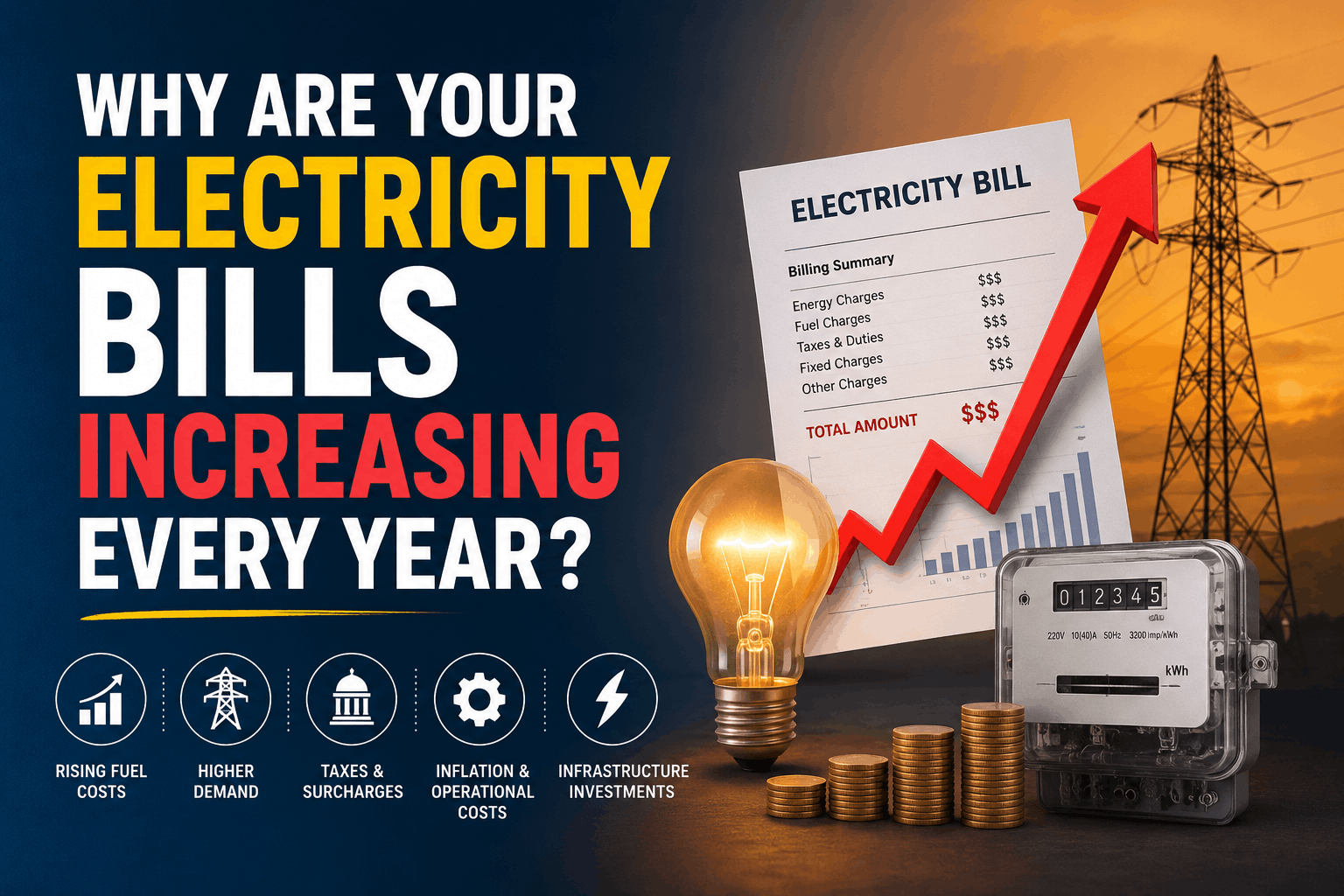
If your monthly electricity bill seems higher than it was a year ago, you’re not alone. Rising energy costs have become a concern for homeowners and renters alike. In many regions, electricity prices have increased because of higher fuel costs, aging infrastructure, increased demand, and investments in grid modernization. At the same time, modern households use more electronic devices than ever before, quietly increasing daily energy consumption.
Understanding why your electricity bill keeps rising can help you identify opportunities to reduce waste and improve efficiency. By combining better energy habits with informed home upgrades, you may be able to lower long-term costs. Discover practical ways to cut electricity costs and make your home more energy efficient.
This guide explains the common reasons behind rising electricity costs, practical ways to improve home energy efficiency, and considerations for people interested in learning more about DIY energy concepts.
The Problem
Many people assume their electricity provider is solely responsible for higher monthly bills. While changing utility rates certainly play a role, the reality is usually more complex.
Several factors contribute to increasing electricity costs:
- Seasonal heating and cooling demands
- More appliances running throughout the day
- Older, inefficient electrical equipment
- Poor home insulation
- Standby power consumption
- Increased electricity rates
- More people working or studying from home
Because these factors often develop gradually, many households don’t notice how much energy they’re using until their bills become significantly higher.
Common Causes of Rising Electricity Bills
1. Increased Utility Rates
Electricity prices change over time due to fuel costs, infrastructure upgrades, transmission expenses, and government policies. Even if your usage stays the same, your monthly bill may still increase. Many homeowners are now looking for energy-saving solutions to better manage these rising costs.
2. Heating and Cooling Systems
Air conditioners, electric heaters, and heat pumps are among the largest energy consumers in most homes. Older systems generally require more electricity to achieve the same level of comfort.
3. Aging Appliances
Older refrigerators, washing machines, water heaters, and dryers often consume considerably more electricity than newer energy-efficient models.
4. Phantom Power
Many televisions, gaming consoles, chargers, computers, and kitchen appliances continue drawing electricity while in standby mode.
Although each device uses only a small amount, the combined effect throughout the year can become noticeable.
5. Poor Insulation
Homes that lose heat during winter or cool air during summer force heating and cooling systems to work longer.
Simple improvements like sealing gaps around windows and doors may improve energy efficiency.
6. Lifestyle Changes
Remote work, home entertainment systems, electric cooking appliances, and charging multiple personal devices all contribute to greater household electricity use.
Symptoms That Your Home May Be Using More Energy Than Necessary
Although homes don’t experience “symptoms” the way people do, several warning signs suggest your property may be operating inefficiently:
- Monthly electricity bills continue increasing.
- Air conditioning or heating runs almost constantly.
- Some rooms never reach comfortable temperatures.
- Appliances become unusually hot during operation.
- Lights remain on unnecessarily.
- Multiple older appliances operate every day.
- Energy consumption varies significantly without obvious reason.
Reviewing your electricity bills over several months may reveal patterns that help identify the main sources of increased consumption.
Practical Solutions
Reducing electricity costs usually involves improving efficiency rather than relying on a single product.
Upgrade Lighting
Replacing older incandescent bulbs with LED lighting can significantly reduce lighting-related electricity use.
Use Smart Thermostats
Programmable thermostats help reduce unnecessary heating and cooling while you’re away from home.
Improve Insulation
Better insulation helps maintain indoor temperatures and reduces HVAC workload.
Replace Inefficient Appliances
When older appliances reach the end of their useful life, choosing energy-efficient replacements can reduce long-term electricity consumption.
Monitor Your Energy Use
Many utility companies provide online tools that help homeowners understand when and how electricity is being used.
Eliminate Standby Consumption
Smart power strips and unplugging unused devices can reduce unnecessary standby energy use.
Considering DIY Energy Learning
Some homeowners enjoy learning about historical electrical concepts, renewable energy, and small DIY electronics projects as part of understanding how electricity works.
One resource available for this purpose is the Energy Revolution System, which is presented as a DIY educational guide inspired by historical electrical concepts associated with Nikola Tesla’s work. The guide includes instructional material intended for hobbyists who want to explore building and understanding a small electronics project using commonly available components.
People interested in educational DIY projects may find this type of guide useful for learning and experimentation. It should not be viewed as a substitute for safe electrical practices, professional electrical work, or established home energy solutions. Before attempting any electrical project, it’s important to follow safety guidance and comply with local regulations.
Lifestyle Tips for Lower Energy Costs
Small habits practiced consistently often make a noticeable difference over time.
- Turn lights off when leaving a room.
- Wash clothes using full loads whenever practical.
- Clean HVAC filters regularly.
- Use natural daylight whenever possible.
- Keep refrigerator seals in good condition.
- Avoid unnecessary standby power.
- Schedule regular maintenance for heating and cooling systems.
- Compare your monthly energy usage to previous years.
- Consider a home energy audit if bills continue increasing.
Frequently Asked Questions
Why has my electricity bill increased even though my habits haven’t changed?
Changes in electricity rates, seasonal temperatures, appliance aging, and hidden standby power consumption can all contribute.
Do newer appliances really save electricity?
Many modern appliances are designed to use less energy than older models, especially when replacing equipment that’s more than ten years old.
Is improving insulation worthwhile?
For many homes, improved insulation can reduce heating and cooling demands while increasing indoor comfort.
Can I reduce electricity costs without major renovations?
Yes. Simple changes such as LED lighting, reducing standby power, maintaining HVAC systems, and adjusting thermostat settings may help improve efficiency.
Are DIY energy projects suitable for everyone?
DIY electrical projects require careful attention to safety and should be approached as educational activities. They should not replace professional electrical installations or proven energy-saving upgrades.
Conclusion
Rising electricity bills are influenced by many factors, including utility rates, seasonal demand, appliance efficiency, insulation, and everyday household habits. While it’s impossible to control every factor, understanding where energy is being used makes it easier to identify opportunities for improvement.
Combining energy-efficient appliances, thoughtful daily habits, regular maintenance, and a better understanding of household energy use can help homeowners make informed decisions that support long-term efficiency and resilience.
Soft Recommendation
If you’re interested in expanding your understanding of electrical principles through hands-on learning, educational resources such as the Energy Revolution System may be worth exploring. The guide is presented as a DIY learning resource inspired by historical electrical concepts and is intended for hobbyists who enjoy practical projects. As with any electrical project, follow safety precautions, use appropriate materials, and treat it as a learning experience rather than a replacement for established home energy systems or professional advice.

 عربي
عربي