


 SPARK Website
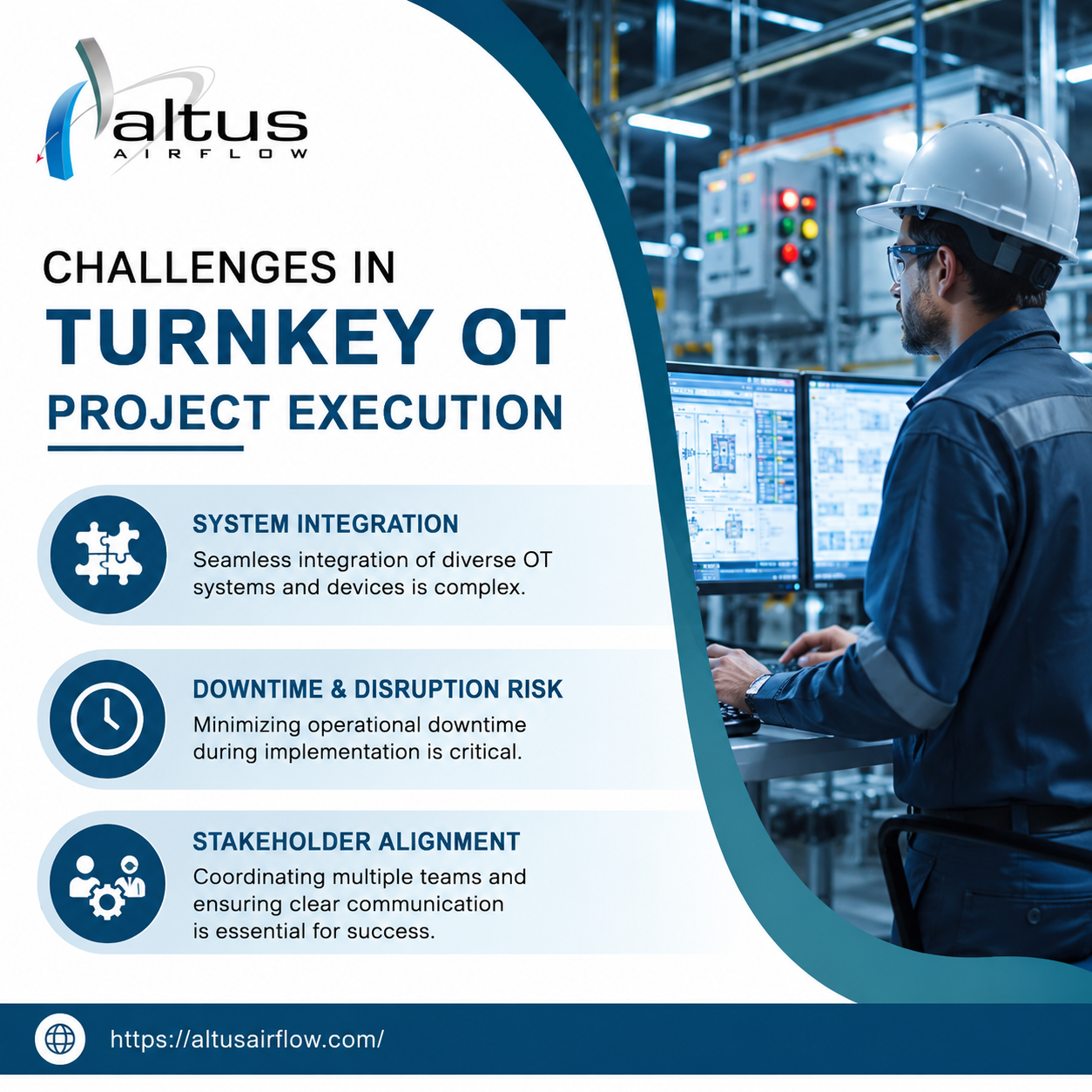
What Challenges Are Involved in Turnkey OT Project Execution?
Introduction
The healthcare industry continues to demand advanced surgical environments that support patient safety, operational efficiency, and regulatory compliance. Among the most complex healthcare infrastructure developments are operation theatre projects, particularly cardiac operation theatres. These facilities require the integration of specialized engineering systems, medical equipment, environmental controls, and strict infection prevention measures. Managing all these components under a single contract is the responsibility of a Modular Cardiac OT Turnkey Project Company, which oversees the project from planning and design to installation, testing, and commissioning.
Understanding the challenges involved in turnkey OT project execution helps healthcare administrators make informed decisions and highlights the value of experienced project partners. This article explores the major obstacles encountered during turnkey OT projects and the strategies used to overcome them.
Understanding Turnkey OT Project Execution
A turnkey OT project involves complete responsibility for the design, engineering, procurement, installation, testing, and commissioning of an operation theatre.
The objective is to deliver a fully functional facility ready for clinical use.
A professional Modular Cardiac OT Turnkey Project Company coordinates all activities under a unified project management framework.
Challenge 1: Comprehensive Project Planning
Effective planning is essential for successful execution.
Planning activities include:
- Site evaluation
- Clinical requirement assessment
- Budget estimation
- Timeline development
Insufficient planning can create complications throughout the project lifecycle.
Aligning Clinical and Technical Requirements
Operation theatre projects must satisfy both medical and engineering objectives.
Healthcare professionals focus on:
- Workflow efficiency
- Surgical performance
- Patient safety
Engineers focus on:
- Infrastructure reliability
- System integration
- Compliance
Balancing these priorities can be challenging.
Challenge 2: Site Assessment and Space Constraints
Every healthcare facility has unique infrastructure conditions.
Challenges may include:
- Limited floor area
- Structural restrictions
- Utility constraints
Accurate assessments are necessary before project execution begins.
Renovation Versus New Construction
Many OT projects involve upgrading existing hospital spaces.
Renovation challenges include:
- Working around active hospital operations
- Limited access for construction
- Infection control concerns
Renovations often require additional coordination compared to new facilities.
Challenge 3: Regulatory Compliance Requirements
Healthcare infrastructure is heavily regulated.
Projects must comply with:
- NABH standards
- Healthcare guidelines
- Fire safety regulations
- Electrical safety codes
Compliance influences every stage of project execution.
Managing Documentation
Regulatory compliance requires extensive documentation.
Examples include:
- Design approvals
- Equipment certifications
- Validation reports
- Inspection records
Documentation management can be time-consuming and complex.
Challenge 4: HVAC System Integration
HVAC systems are critical to operation theatre performance.
Requirements include:
- Temperature control
- Humidity regulation
- Air filtration
- Pressure management
Designing and installing these systems requires specialized expertise.
Infection Control Challenges
Cardiac operation theatres require highly controlled environments.
HVAC systems must support:
- HEPA filtration
- Positive pressure
- Controlled airflow patterns
Infection control remains a major project priority.
Challenge 5: Medical Gas Pipeline Installation
Medical gas systems are essential for surgical procedures.
Installation challenges include:
- Accurate routing
- Pressure management
- Leak prevention
Medical gas reliability directly affects patient safety.
Ensuring Compliance with Gas Standards
Pipeline systems must meet strict healthcare regulations.
Validation activities often include:
- Leak testing
- Pressure verification
- Alarm testing
Compliance requires detailed attention.
Challenge 6: Electrical Infrastructure Complexity
Operation theatres depend on sophisticated electrical systems.
Infrastructure must support:
- Surgical lights
- Imaging equipment
- Monitoring devices
- HVAC systems
Electrical integration is a major project challenge.
Emergency Power Requirements
Cardiac OTs require uninterrupted power.
Backup systems may include:
- UPS units
- Generator systems
- Automatic transfer switches
Power reliability is critical for patient safety.
Challenge 7: Equipment Coordination
Modern OTs contain advanced medical technologies.
Challenges include:
- Equipment selection
- Utility coordination
- Installation scheduling
Multiple vendors often participate in the process.
Technology Integration Issues
Different equipment manufacturers may use varying technologies.
Project teams must ensure:
- Compatibility
- Connectivity
- Operational efficiency
Technology integration requires careful planning.
Challenge 8: Supply Chain and Procurement Delays
Many OT components are highly specialized.
Potential delays may involve:
- Imported equipment
- Custom manufacturing
- Transportation disruptions
Procurement management is crucial for maintaining schedules.
Managing Vendor Relationships
Turnkey projects involve numerous suppliers.
Coordination challenges include:
- Delivery timelines
- Technical requirements
- Installation sequencing
Strong vendor management helps prevent delays.
Challenge 9: Workflow Optimization
An operation theatre must support efficient surgical workflows.
Poor layouts can result in:
- Staff congestion
- Delayed procedures
- Reduced efficiency
Workflow planning requires collaboration with clinical teams.
Supporting Clinical Performance
Effective designs minimize unnecessary movement and improve accessibility.
Considerations include:
- Equipment placement
- Sterile pathways
- Staff circulation
Optimized workflows improve operational performance.
Challenge 10: Budget Control
Healthcare projects often operate within strict budgets.
Balancing quality and cost can be difficult.
Major cost drivers include:
- Equipment procurement
- HVAC systems
- Medical gas infrastructure
- Specialized materials
Budget management is an ongoing challenge.
Preventing Cost Overruns
Unexpected expenses may arise from:
- Design modifications
- Regulatory updates
- Infrastructure upgrades
Early planning helps minimize financial risks.
Challenge 11: Material Selection
Operation theatre materials must meet healthcare standards.
Requirements include:
- Antimicrobial properties
- Durability
- Easy maintenance
Material selection affects both performance and compliance.
Specialized Surface Requirements
Walls, ceilings, and floors must support:
- Infection prevention
- Frequent cleaning
- Long-term durability
Choosing suitable materials requires expertise.
Challenge 12: Construction Coordination
Turnkey projects involve multiple teams working simultaneously.
Activities may include:
- Civil construction
- Mechanical installation
- Electrical work
- Equipment integration
Coordination challenges can affect project timelines.
Maintaining Construction Quality
Quality control is essential throughout execution.
Inspection activities help ensure:
- Compliance
- Performance
- Safety
Strong quality management improves outcomes.
Challenge 13: Environmental Monitoring Integration
Modern OTs use advanced monitoring technologies.
Systems track:
- Temperature
- Humidity
- Air pressure
- Air quality
Integration requires coordination between multiple systems.
Challenge 14: Testing and Validation
All systems must be validated before operation.
Testing may include:
- HVAC performance verification
- HEPA filter testing
- Electrical inspections
- Medical gas validation
Validation confirms readiness.
Performance Verification Requirements
Testing ensures:
- System functionality
- Environmental stability
- Compliance
Validation is a critical project milestone.
Challenge 15: Managing Tight Timelines
Hospitals often require rapid project completion.
Challenges include:
- Limited shutdown windows
- Equipment lead times
- Approval processes
Effective scheduling is essential.
Minimizing Operational Disruptions
Active healthcare facilities cannot tolerate excessive disruptions.
Project teams must:
- Coordinate carefully
- Control noise
- Manage access restrictions
Operational continuity is important.
Challenge 16: Stakeholder Coordination
Successful projects involve many stakeholders.
These may include:
- Hospital administrators
- Surgeons
- Engineers
- Contractors
Communication challenges can affect project progress.
Aligning Expectations
Different stakeholders often have different priorities.
Managing expectations helps prevent:
- Delays
- Conflicts
- Design revisions
Strong leadership improves collaboration.
Challenge 17: Future-Proofing the Facility
Healthcare technologies continue evolving.
Projects should accommodate:
- Equipment upgrades
- Increased surgical volumes
- New technologies
Future planning improves long-term value.
Flexible Infrastructure Design
Adaptable systems simplify future modifications.
Benefits include:
- Lower upgrade costs
- Reduced downtime
- Improved scalability
Flexibility supports sustainability.
Importance of Experienced Project Management
Effective project execution depends on expertise.
A qualified Modular Cardiac OT Turnkey Project Company understands how to coordinate engineering disciplines, regulatory requirements, equipment suppliers, and healthcare stakeholders while maintaining quality and compliance.
Professional management reduces project risks.
Conclusion
Turnkey OT project execution involves numerous challenges, including planning, regulatory compliance, HVAC integration, medical gas installation, electrical infrastructure design, equipment coordination, procurement management, workflow optimization, testing, validation, and stakeholder communication. Successfully managing these challenges requires specialized healthcare engineering expertise, strong project leadership, and a comprehensive understanding of healthcare regulations. With proper planning and execution, hospitals can develop operation theatres that support patient safety, operational efficiency, and long-term clinical excellence.
FAQs
1. What challenges does a Modular Cardiac OT Turnkey Project Company typically face?
A Modular Cardiac OT Turnkey Project Company commonly faces challenges related to regulatory compliance, HVAC integration, medical gas systems, electrical infrastructure, equipment coordination, procurement delays, testing, validation, and stakeholder management.
2. Why is planning important in OT projects?
Planning helps identify requirements, allocate resources, manage risks, and prevent costly project delays.
3. What is the most critical system in a cardiac OT?
Multiple systems are critical, including HVAC, medical gases, electrical infrastructure, and environmental monitoring systems.
4. Why is validation necessary before commissioning?
Validation confirms that all systems meet performance, safety, and regulatory requirements.
5. How do procurement delays affect projects?
Equipment and material delays can impact schedules, budgets, and project completion timelines.
Read Our Previous Blog --------------->How are emergency systems integrated into cardiac OTs?

 عربي
عربي