


 SPARK Website
The Hidden Dealbreaker: Why Savvy Real Estate Buyers Never Skip Environmental Due Diligence
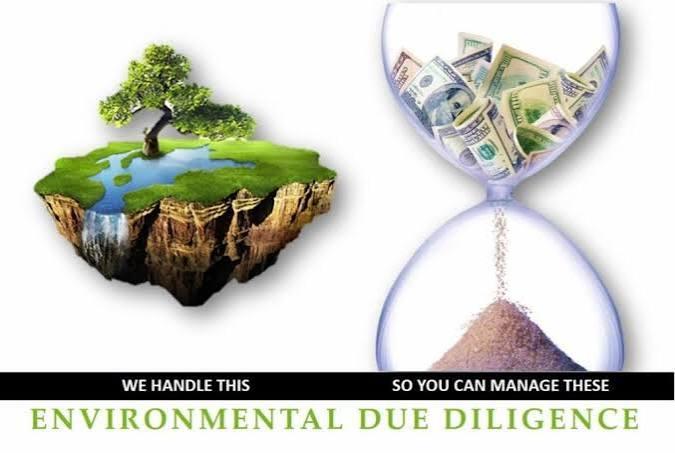
Imagine closing on a commercial property, celebrating the investment, and then discovering the soil underneath is laced with hazardous chemicals from a dry cleaner that closed thirty years ago. Suddenly, your multimillion-dollar asset is a massive liability, and you are on the hook for a six-figure cleanup.
This isn't a rare horror story; it’s a standard risk in commercial real estate. To protect yourself from these catastrophic financial surprises, you need a robust shield before any contracts are finalized. That shield is a comprehensive process known as Environmental due diligence.
What is Environmental Due Diligence?
At its core, Environmental due diligence is the process of assessing a property for potential environmental risks, liabilities, and contamination before a real estate transaction closes. It is a critical investigative phase that protects buyers, lenders, and investors from inheriting legal and financial disasters.
Without this step, you risk violating environmental laws and losing the "innocent landowner defense" under federal regulations, meaning you inherit the pollution—and the bills—of previous owners.
The Crucial First Step: The Phase 1 Assessment
The foundation of this investigative process is a specific assessment designed to spot any "Recognized Environmental Conditions" (RECs). When budgeting for a transaction, understanding the phase 1 environmental cost is one of the first things savvy buyers look into.
Generally, this assessment involves a thorough review of historical records, aerial photographs, fire insurance maps, and local government files, alongside a physical walkthrough of the property. No drilling or soil sampling happens yet; it is purely historical and visual detective work.
While the upfront phase 1 environmental cost typically ranges from a few thousand dollars depending on the property size and history, it pale in comparison to the millions it can save you if a toxic issue is uncovered. Lenders almost always require this assessment before approving a commercial loan, making it a non-negotiable step in your timeline.
Why You Need Certified Environmental Consultants for Due Diligence
You cannot simply perform this check yourself or hire a standard home inspector. The regulatory landscape is a minefield of complex federal, state, and local laws. To navigate it safely, you must partner with specialized environmental consultants for due diligence.
These professionals are trained to notice things the untrained eye easily misses, such as:
-
An unrecorded vent pipe pointing to an old underground storage tank (UST).
-
Discolored vegetation indicating historical chemical spills.
-
Discrepancies in historical city directories that suggest an undocumented industrial use.
Furthermore, hiring qualified environmental consultants for due diligence ensures that the final report complies strictly with ASTM standards (currently ASTM E1527-21). This compliance is what legally grants you liability protection under federal laws like CERCLA (the Comprehensive Environmental Response, Compensation, and Liability Act).
What Happens If an Issue Is Found?
If the initial records review or site visit highlights a potential risk, your consultants will recommend moving to a Phase II assessment. This is where physical testing actually begins—collecting soil, groundwater, or soil vapor samples to confirm if contamination is present.
Finding an issue doesn't necessarily mean the deal is dead. Armed with the data from your consultants, you can renegotiate the purchase price, require the seller to clean up the site before closing, or walk away from a toxic investment entirely.
Key Takeaway for Real Estate Investors
In commercial real estate, what you don't know will hurt you. Skipping proper site investigations to save a few dollars or rush a closing is a gamble where the odds are heavily stacked against you.
Investing in Environmental due diligence at the start of your transaction ensures you know exactly what lies beneath the surface. By budgeting early for the phase 1 environmental cost and hiring experienced environmental consultants for due diligence, you protect your capital, secure your lender's approval, and move forward with absolute confidence.

 عربي
عربي