


 SPARK Website
How Cybersecurity Threats Are Hiding Behind Adult Content Sites
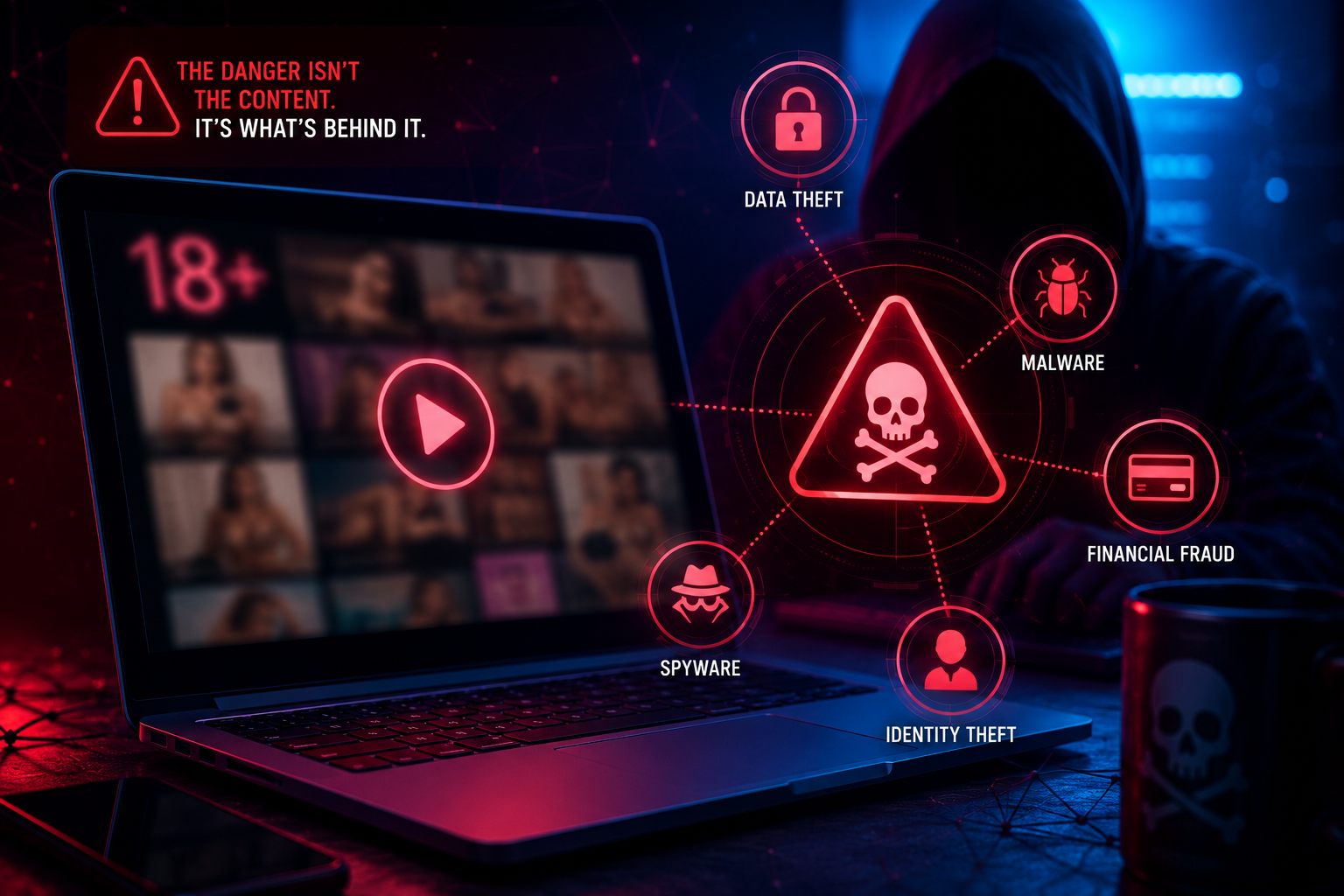
When people think about adult content websites, they often focus on issues such as privacy, digital wellbeing, or content exposure. However, cybersecurity experts have long warned that another significant risk deserves attention: cybercrime.
Over the years, security researchers have consistently identified adult content sites as common environments for malware distribution, phishing attacks, fraudulent advertisements, and online scams. While many legitimate adult websites invest heavily in security, the broader ecosystem surrounding adult content often attracts malicious actors seeking to exploit users.
This doesn't mean every adult website is dangerous. However, cybersecurity professionals frequently advise users to approach these sites with caution because they can present unique risks compared to many mainstream online destinations.
In 2026, as cybercriminals become increasingly sophisticated, understanding these threats is an important part of maintaining a safer online experience.
Why Cybercriminals Target Adult Content Traffic
Cybercriminals typically focus on environments where they believe users may be more vulnerable to manipulation.
Adult content websites often generate:
- High volumes of traffic
- Anonymous browsing behavior
- Impulsive clicking patterns
- Lower reporting rates after incidents
- Increased privacy concerns among users
Attackers know that some victims may hesitate to report scams or suspicious activity associated with adult content browsing.
This perceived reluctance can make certain users attractive targets.
As a result, adult-content-related scams remain a recurring concern in cybersecurity research and threat intelligence reporting.
The Evolution of Cyber Threats
The cybersecurity risks associated with adult content have evolved significantly over the years.
In the early internet era, threats often involved obvious pop-ups and suspicious downloads.
Today's attacks are more sophisticated.
Modern threats may include:
- Fake login pages
- Credential theft
- Browser exploits
- Ransomware delivery
- Cryptocurrency scams
- Social engineering attacks
- Malicious advertising networks
Many of these attacks can occur without users realizing they are being targeted.
Malware: One of the Biggest Risks
Malware remains one of the most common cybersecurity threats linked to risky websites.
Malware is a broad term covering harmful software such as:
- Viruses
- Trojans
- Spyware
- Keyloggers
- Ransomware
Attackers may attempt to install malware through:
- Fake software updates
- Fraudulent downloads
- Malicious advertisements
- Compromised website code
In some cases, users may unknowingly download infected files disguised as videos, media players, or browser extensions.
Once installed, malware can compromise sensitive information or disrupt device functionality.
The Danger of Malvertising
One growing concern is malvertising.
Malvertising occurs when malicious advertisements appear on legitimate or semi-legitimate websites.
Users may encounter:
- Fake warnings
- Deceptive security alerts
- Fraudulent promotions
- Dangerous redirects
Clicking these advertisements can expose users to scams or malware.
Even users who never intentionally download suspicious files can be affected by malicious advertising campaigns.
Because adult-content ecosystems often rely on complex advertising networks, security researchers frequently monitor them for malvertising activity.
Phishing Attacks and Credential Theft
Phishing remains one of the most successful cybercrime techniques.
A phishing attack attempts to trick users into revealing:
- Passwords
- Banking information
- Personal details
- Login credentials
Cybercriminals may create convincing fake pages that mimic:
- Email providers
- Social media platforms
- Payment systems
- Subscription services
Victims often believe they are interacting with legitimate websites.
Once credentials are entered, attackers can gain access to sensitive accounts.
Privacy-Related Scams
Privacy concerns create additional opportunities for cybercriminals.
Some scams specifically exploit users' fears about exposure.
Examples include:
Fake Security Alerts
Claims that devices have been infected.
Extortion Emails
Messages alleging access to private browsing activity.
Fraudulent Cleanup Services
Fake offers promising privacy protection.
Impersonation Scams
Attackers pretending to represent security companies.
These schemes often rely on fear and urgency rather than technical sophistication.
Cybersecurity experts consistently advise users to verify claims before taking action.
Fake Mobile Apps and Browser Extensions
Cybercriminals increasingly distribute malware through:
- Unofficial app stores
- Fake productivity tools
- Fraudulent browser extensions
- Counterfeit security applications
Some malicious apps claim to provide:
- Privacy protection
- Faster browsing
- Enhanced security
In reality, they may collect personal information or install harmful software.
Users should only download applications from trusted sources and carefully review developer information.
Why Mobile Users Are Also at Risk
Many people assume cybersecurity threats primarily affect desktop computers.
However, smartphones now represent a major target.
Mobile threats can include:
- Malicious APK files
- Fraudulent applications
- Phishing links
- SMS scams
- Fake browser updates
As mobile browsing continues growing, cybercriminals increasingly focus on smartphone users.
Maintaining strong security practices across all devices is essential.
How Content Blockers Can Reduce Exposure
While content blockers are primarily designed to filter unwanted material, they can also contribute to safer browsing environments.
By reducing access to higher-risk websites, blockers may help lower exposure to:
- Malicious advertising
- Scam pages
- Fraudulent downloads
- Known harmful domains
For example, BlockP helps users create digital boundaries around adult content while also reducing opportunities for accidental encounters with potentially dangerous websites and malicious online ecosystems.
Although blockers are not substitutes for antivirus software or cybersecurity tools, they can serve as an additional layer of protection.
Best Practices for Online Safety
Regardless of browsing habits, cybersecurity experts generally recommend several precautions.
Keep Software Updated
Updates often contain critical security patches.
Use Strong Passwords
Unique passwords reduce account compromise risks.
Enable Multi-Factor Authentication
Additional verification improves security.
Avoid Suspicious Downloads
Only install software from trusted sources.
Verify Website Authenticity
Check URLs carefully before entering information.
Use Reputable Security Software
Antivirus and anti-malware tools remain important defenses.
Stay Informed
Cyber threats continue evolving.
Awareness is one of the most effective forms of protection.
Human Behavior and Cybersecurity
Technology alone cannot eliminate risk.
Cybersecurity often depends on user behavior.
Attackers frequently exploit:
- Curiosity
- Impulsiveness
- Fear
- Urgency
- Lack of awareness
Understanding these psychological tactics helps users recognize and avoid potential threats.
The most secure systems combine technical safeguards with informed decision-making.
The Future of Cyber Threats
Cybersecurity researchers expect online threats to continue evolving.
Future challenges may involve:
- AI-generated phishing attacks
- More convincing scam websites
- Deepfake-enabled fraud
- Advanced malware delivery systems
- Sophisticated social engineering campaigns
As attackers become more advanced, layered security approaches will become increasingly important.
No single tool can eliminate every risk.
Instead, effective protection comes from combining:
- Security software
- Safe browsing practices
- Privacy awareness
- Content filtering
- User education
Conclusion
Adult content websites are often discussed in terms of privacy, digital wellness, or personal values, but cybersecurity deserves equal attention. Security researchers have repeatedly identified malware, phishing attacks, fraudulent advertising, and online scams as significant risks within parts of the adult-content ecosystem.
While not every adult website is unsafe, cybercriminals frequently target these environments because of their large audiences and the opportunities they present for exploitation.
By understanding common threats and adopting safer browsing practices, users can reduce their risk significantly. Content blockers, security software, strong passwords, and informed decision-making all contribute to a more secure online experience.
Ultimately, cybersecurity is not just about protecting devices—it is about protecting personal information, privacy, and peace of mind.
Frequently Asked Questions
Why are adult sites a common target for malware?
Adult-content-related websites often attract large audiences and involve anonymous browsing behavior. Cybercriminals may view these environments as opportunities to distribute malware, launch phishing attacks, or exploit users who may be less likely to report incidents.
What kind of cybersecurity risks should users be aware of?
Common risks include malware infections, phishing scams, fraudulent advertisements, ransomware, fake downloads, credential theft, privacy-related extortion attempts, and malicious browser extensions.
Does blocking these sites also reduce malware exposure risk?
In many cases, yes. Reducing access to websites that may host malicious advertising networks, scam pages, or harmful downloads can lower overall exposure to certain cybersecurity threats. However, blockers should be used alongside antivirus software and other cybersecurity best practices for comprehensive protection.

 عربي
عربي