


 SPARK Website
How Telehealth Physician Oversight Helps Healthcare Practices Stay Compliant
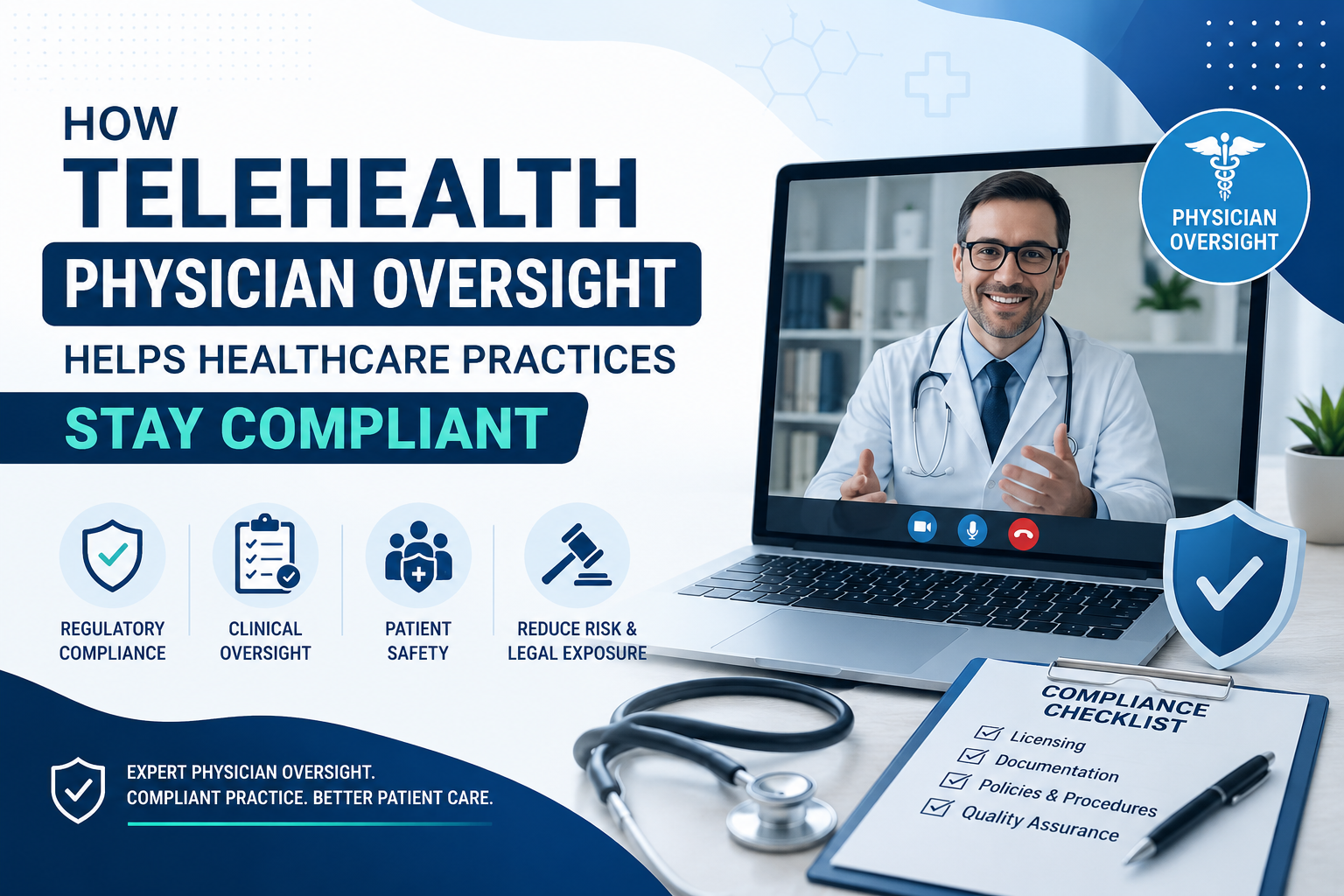
The rapid growth of telehealth has transformed the healthcare industry, making medical services more accessible and convenient than ever before. From weight loss clinics and wellness centers to telemedicine providers, many healthcare businesses now rely on virtual care to serve patients. However, with this growth comes the responsibility of maintaining regulatory compliance, patient safety, and professional standards.
One of the most effective ways to achieve these goals is through proper physician oversight. Healthcare practices that operate without adequate supervision may face legal, regulatory, and operational challenges that can negatively impact their reputation and business growth.
Understanding Telehealth Physician Oversight
Telehealth physician oversight involves licensed physicians providing supervision, guidance, and compliance support to healthcare organizations offering virtual medical services. These physicians help ensure that clinical protocols align with state regulations and industry standards while protecting patient welfare.
Many healthcare providers partner with a Telehealth MD oversight company to gain access to experienced medical professionals who can assist with policy development, clinical review, and regulatory compliance.
Why Compliance Matters in Telehealth
Healthcare regulations vary across states and specialties. Telehealth providers must follow specific requirements related to:
- Patient evaluations
- Medical record documentation
- Treatment protocols
- Prescription management
- Informed consent
- Quality assurance procedures
Failure to meet these requirements can result in fines, licensing issues, and legal complications. Proper oversight helps practices stay ahead of changing regulations and maintain operational integrity.
The Role of Medical Directors
A medical director serves as a clinical leader who helps guide healthcare operations while ensuring services are delivered safely and ethically. Through a Medical director oversight service, healthcare organizations can establish clear clinical standards, review protocols, and create systems that support compliance.
Medical directors often assist with:
- Clinical policy development
- Staff training and supervision
- Quality improvement initiatives
- Risk management strategies
- Regulatory compliance reviews
Their expertise provides healthcare businesses with an added layer of protection and accountability.
Enhancing Patient Safety
Patient safety is a top priority in every healthcare setting. Physician oversight ensures that treatment recommendations are medically appropriate and based on established clinical guidelines.
Oversight physicians can review patient care processes, identify potential risks, and implement corrective actions when necessary. This proactive approach helps reduce errors and improve overall healthcare outcomes.
Supporting Multi-State Telehealth Operations
As telehealth practices expand into multiple states, compliance requirements become more complex. Different jurisdictions may have unique licensing, supervision, and documentation rules.
Having Compliant telehealth physician oversight allows healthcare organizations to navigate these challenges effectively while maintaining consistent standards of care across all service locations.
Improving Operational Efficiency
Beyond compliance, physician oversight can improve the efficiency of healthcare operations. Experienced physicians help establish workflows, streamline clinical processes, and ensure that staff members understand their responsibilities.
This structured approach can lead to:
- Better patient experiences
- Reduced compliance risks
- Improved clinical consistency
- Greater confidence among providers
- Sustainable business growth
Choosing the Right Oversight Partner
When selecting a physician oversight partner, healthcare practices should evaluate experience, regulatory knowledge, and industry expertise. A qualified oversight provider should understand the specific needs of telehealth, wellness, and medical weight loss organizations.
The right partnership helps practices maintain compliance while focusing on delivering exceptional patient care.
Conclusion
Telehealth continues to reshape the healthcare landscape, offering patients greater access to medical services. However, maintaining compliance remains a critical responsibility for every healthcare organization. Physician oversight provides the guidance, accountability, and clinical leadership needed to operate safely and legally.
By investing in professional oversight, healthcare practices can protect their patients, strengthen compliance efforts, and position themselves for long-term success in the evolving world of telemedicine.

 عربي
عربي