


 SPARK Website
Top Benefits of Solar-Powered Compacting Bins for Waste Control
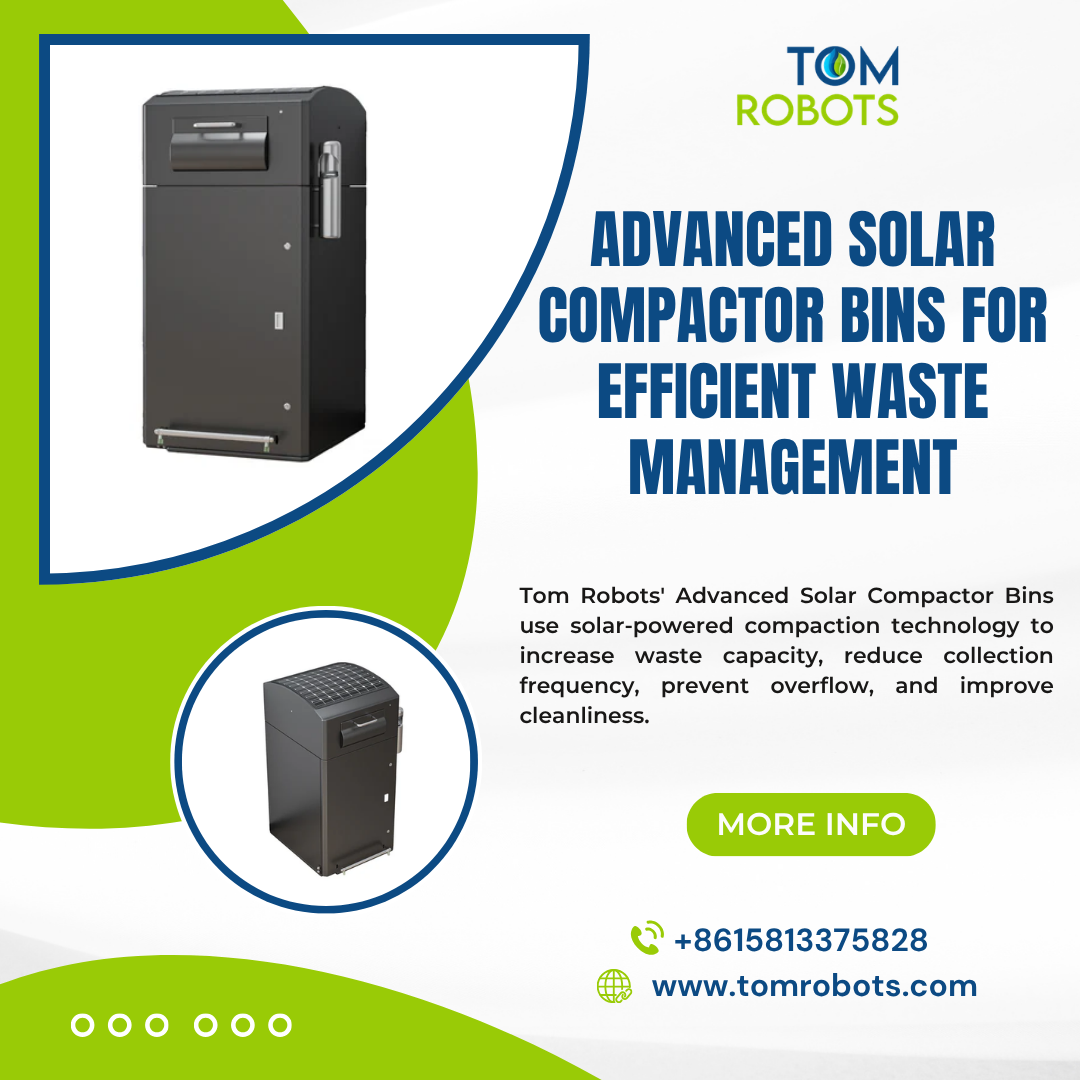
Walk through any busy park, shopping precinct, or university campus on a warm weekend and you'll almost always find the same problem — bins overflowing, litter collecting around the base, and collection trucks that arrived too early or too late to make any difference. The issue isn't always the volume of waste. It's that standard bins fill up faster than anyone anticipated and nobody knows about it until the damage is already done. A Solar Compression Garbage Bin solves this at the source — compacting waste as it comes in, running entirely on solar power, and sending real-time alerts before overflow becomes a problem. The result is cleaner spaces, fewer collection runs, and a waste management setup that works with the environment rather than against it.
Compaction Changes the Equation Entirely
The most immediate benefit of a solar compacting bin is straightforward: it holds significantly more waste than a standard bin of the same external footprint. Most solar compacting units compress waste to a ratio of five to one or better, meaning a bin that would normally need emptying five times a day can go a full day — or longer — on a single collection.
That compression happens automatically. When the internal sensor detects that waste has reached a threshold level, the compaction mechanism activates, presses the contents down, and resets. The whole process takes a few seconds and requires no human intervention. Over the course of a busy day in a high-footfall location, a compacting bin can handle the equivalent of what three or four standard bins would need to handle — without taking up any additional space on the pavement or in the park.
Solar Power Removes the Infrastructure Problem
One of the practical barriers to placing waste bins in parks, outdoor markets, beachfronts, and remote public spaces is the lack of mains power. A Solar Compacting Bin runs entirely from solar panels built into the unit, which eliminates that constraint completely.
The panels charge an internal battery during daylight hours, and the battery powers the compaction mechanism and sensors through the day and into the evening. In most climates, a well-positioned solar bin generates enough charge to run through several consecutive overcast days without any drop in function. There's no wiring, no trenching, no electrician required — the bin goes where it's needed and starts working immediately.
This also means the running cost of a solar compacting bin is dramatically lower than a powered alternative over its operational life. The energy cost is zero. The only ongoing expense is the reduced collection frequency, which cuts fuel costs, driver hours, and vehicle wear across the whole fleet.
Smart Monitoring Replaces Guesswork
A Solar Bin connected to a monitoring platform gives waste management teams something they've never had before — real visibility into what's actually happening across every bin in a network, in real time.
Fill-level sensors report how full each unit is. Temperature sensors flag unusual heat inside the bin that could indicate a fire risk. Alerts get pushed to the management team before a bin reaches capacity, so collection can be dispatched based on actual need rather than a fixed schedule that's either too frequent or not frequent enough.
This shift from schedule-based to data-driven collection is where the real operational savings stack up. A network of smart bins managed through a live dashboard can cut collection frequency by fifty percent or more in many deployments, without a single instance of overflow. The routes get shorter, the trucks run less, and the team spends less time on reactive responses to complaints.
Built for the Environments That Need It Most
The locations that generate the most waste management problems — outdoor event spaces, coastal promenades, transport hubs, school campuses — are exactly the environments a Solar Smart Bin With Compactor is designed for. Weatherproof housing, vandal-resistant construction, and sealed internal mechanisms mean these units run reliably through heat, rain, and heavy use without requiring constant maintenance attention.
Conclusion
Overflow bins aren't just an eyesore — they're a signal that the waste management system wasn't built for actual demand. Tom Robots designs and manufactures Solar Smart Bin in 150L, 240L, and 1100L capacities, built for cities, campuses, parks, and public spaces that need a smarter, cleaner approach to waste control.

 عربي
عربي