


 SPARK Website
Pine Island Builders: Understanding Coastal Construction in a Barrier Island Environment
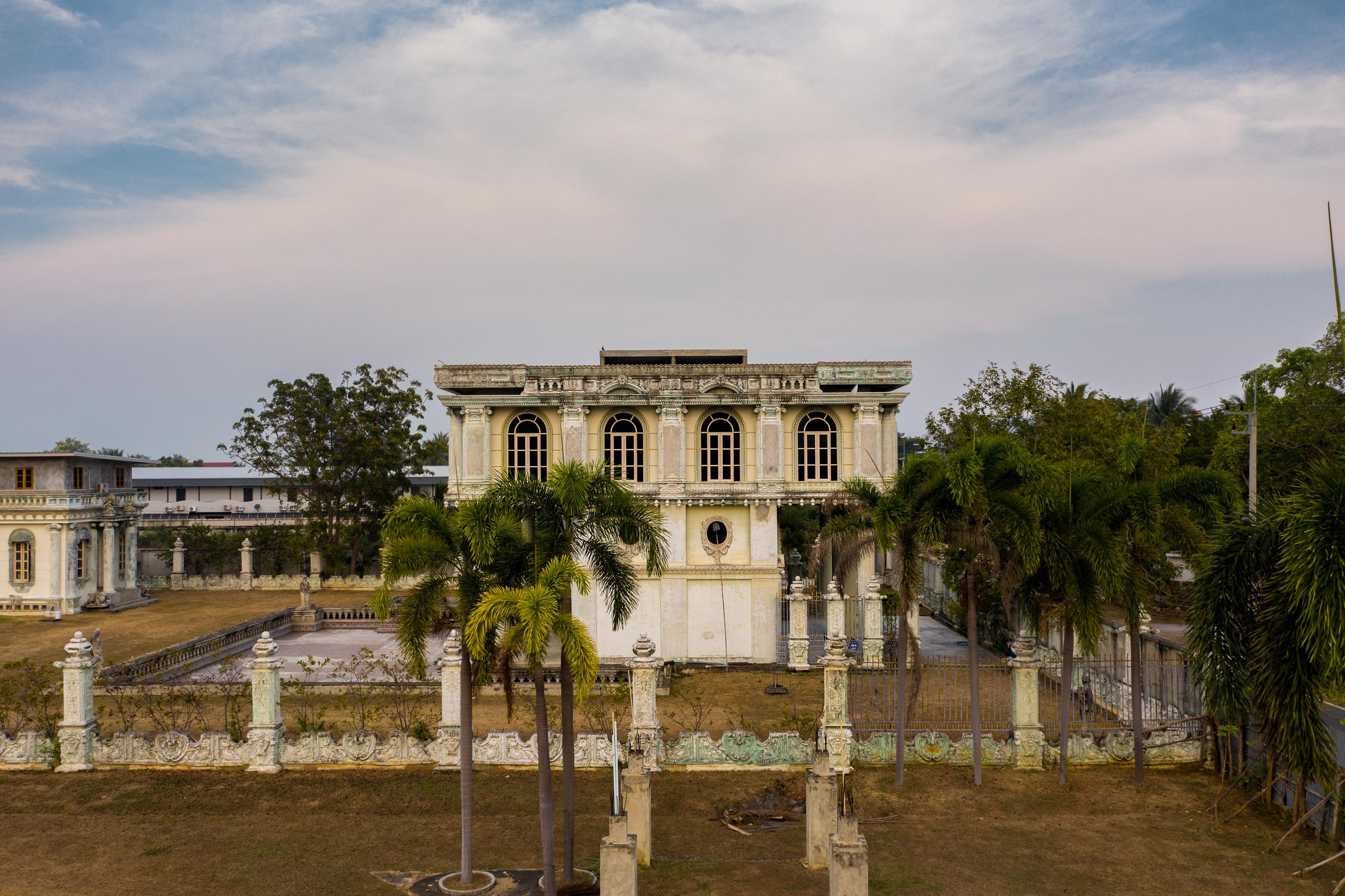
Construction in coastal and island regions of the United States requires a specialized approach shaped by environmental conditions, regulatory frameworks, and long-term durability concerns. In this context, Pine Island builders are often referenced when discussing professionals involved in residential construction and development on Pine Island, a barrier island located along Florida’s Gulf Coast. The island’s geography and ecological sensitivity create a unique construction environment that differs significantly from inland development.
Pine Island is characterized by wetlands, mangroves, waterways, and low-lying terrain. These natural features influence how residential structures are designed, built, and maintained over time.
Geographic and Environmental Conditions
Pine Island’s location along Florida’s Gulf Coast exposes it to a range of environmental factors that directly impact construction practices. High humidity, salt air, heavy rainfall, and seasonal storms are all part of the regional climate.
Salt exposure is one of the most persistent challenges in coastal construction. Over time, salt in the air can corrode metal components, degrade fasteners, and reduce the lifespan of unprotected materials. This makes material selection a critical part of the building process.
Humidity also plays a significant role in construction planning. Excess moisture can lead to wood swelling, mold development, and deterioration of interior finishes if proper ventilation and moisture control systems are not incorporated.
Storm activity, including hurricanes and tropical systems, adds another layer of complexity. High winds, heavy rainfall, and storm surge can all affect structural integrity, making resilience a central focus of construction practices on the island.
Hurricane Risk and Structural Requirements
One of the most important considerations for Pine Island builders is hurricane resilience. Florida’s Gulf Coast is regularly impacted by severe weather systems, requiring homes to be constructed to strict structural standards.
Buildings are typically engineered to withstand high wind loads. This includes reinforced framing systems, secure roof attachments, and impact-resistant windows in certain areas. Roof design is carefully evaluated to reduce wind uplift and structural stress during storms.
Flooding is another major concern. Many parts of Pine Island are located in flood-prone zones, which require elevated construction methods. Homes may be built on pilings or raised foundations to reduce exposure to storm surge and standing water.
These design choices are guided by state and local building codes that prioritize safety and structural performance in coastal environments.
Building Codes and Regulatory Framework
Construction on Pine Island is governed by Florida building regulations along with local zoning and environmental requirements. These regulations are designed to ensure safety, minimize environmental impact, and promote long-term durability.
Pine Island builders must follow standards related to structural integrity, electrical systems, plumbing, energy efficiency, and wind resistance. In flood zones, additional requirements often apply, including elevation standards and drainage system regulations.
The permitting process typically involves multiple steps, including site evaluation, zoning approval, engineering review, and final inspections. Each stage ensures that construction projects comply with safety standards and environmental guidelines.
Environmental regulations are particularly important due to the island’s sensitive ecosystems. Construction activities may require mitigation measures to reduce ecological disruption and protect surrounding habitats.
Soil Conditions and Foundation Challenges
Soil conditions on Pine Island vary significantly and can present challenges for residential construction. Much of the terrain consists of sandy or water-saturated soil, which may not naturally provide strong structural support.
Before construction begins, site assessments are typically conducted to evaluate soil stability and drainage capacity. In some cases, soil improvement techniques or specialized foundation systems are required.
Elevated foundations are commonly used in flood-prone areas. Homes may be constructed on pilings or raised platforms to reduce the risk of water intrusion during storm events.
Proper drainage planning is essential in all construction projects. Without adequate water management systems, heavy rainfall and storm surge can lead to flooding, erosion, and structural damage.
Architectural Design in Coastal Settings
Residential design in Pine Island often reflects both environmental constraints and lifestyle preferences associated with coastal living. Homes are frequently designed to maximize natural light, airflow, and views of the surrounding landscape.
Open floor plans are common, allowing for flexible living spaces and improved ventilation. Large windows may be incorporated to enhance natural lighting, though these must be engineered for storm resistance.
Roof design is a key structural consideration. Sloped or reinforced roofing systems are often used to improve wind performance and reduce damage during hurricanes.
Material selection is especially important in coastal environments. Pine Island builders often use corrosion-resistant metals, treated lumber, and moisture-resistant finishes to extend the lifespan of residential structures exposed to salt air and humidity.
Environmental Sensitivity and Ecosystem Protection
Pine Island contains important ecological systems, including mangroves, wetlands, and coastal habitats. These environments play a crucial role in shoreline stabilization and wildlife preservation.
Because of this ecological importance, construction projects are subject to environmental oversight. Development may require environmental assessments to evaluate potential impacts on surrounding ecosystems.
In certain areas, construction may be limited or subject to specific mitigation requirements. These measures can include preserving natural vegetation, managing stormwater runoff, and minimizing land disturbance.
Sustainable building practices are increasingly relevant in this context. These include reducing environmental footprint, using eco-conscious materials, and designing homes that integrate with the natural landscape.
Infrastructure and Utility Considerations
Infrastructure development on Pine Island presents unique logistical challenges. Utility systems such as water, electricity, sewage, and telecommunications must be carefully planned and coordinated.
Some areas may rely on septic systems due to limited centralized sewage infrastructure. These systems require careful design and maintenance to function effectively in coastal conditions.
Access to construction sites can also be limited by road networks, bridge access, and environmental restrictions. This can affect material delivery schedules and construction timelines.
Coordination with local utility providers is often necessary to ensure that infrastructure needs are met efficiently and in compliance with regulations.
Residential Development Patterns
Residential construction on Pine Island includes a mix of new builds, renovations, and post-storm reconstruction projects. In many cases, rebuilding efforts occur after hurricane events, where older homes are replaced or upgraded to meet modern building standards.
New construction often emphasizes elevated designs, energy efficiency, and storm-resistant materials. These features reflect ongoing adaptation to environmental risks and changing building codes.
Renovation projects may focus on improving structural resilience, updating systems, or enhancing energy performance in existing homes.
Economic and Community Impact
Pine Island builders contribute to the local economy by supporting construction-related employment, including skilled labor, engineering, architecture, and material supply industries. Residential development also supports related sectors such as retail, transportation, and public infrastructure.
At the same time, development must be balanced with environmental preservation and community planning goals. Limited land availability and ecological sensitivity require careful decision-making to ensure sustainable growth.
Coastal communities often prioritize long-term resilience alongside residential expansion, ensuring that development aligns with both environmental and infrastructural constraints.
Conclusion
Pine Island builders operate within a highly specialized construction environment shaped by coastal exposure, environmental regulations, and ecological sensitivity. Residential construction on Pine Island requires careful attention to hurricanes, flooding, soil conditions, and ecosystem protection.
Through adherence to building codes, thoughtful architectural design, and sustainable construction practices, development in this region reflects the complex balance between human habitation and environmental preservation. Understanding these factors provides insight into how homes are planned and built in one of Florida’s most environmentally sensitive coastal areas.

 English