


 SPARK Website
Rhinoplasty lifestyle adjustments that support surgical healing
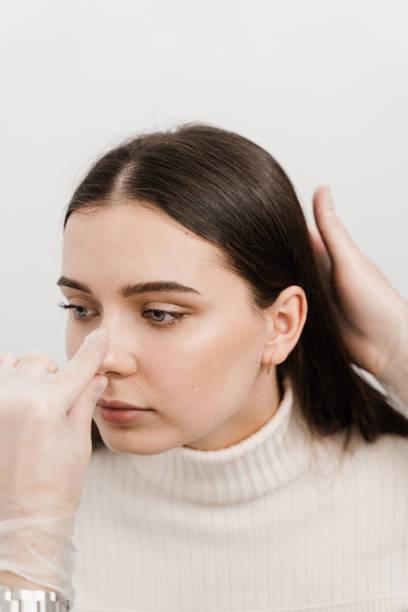
Embarking on a journey to refine your profile is an exciting decision, but understanding the recovery process is just as crucial as the procedure itself. Rhinoplasty in Riyadh When you choose to undergo Rhinoplasty in Riyadh, you are investing in your confidence, and protecting that investment requires a proactive approach to your daily lifestyle. The initial weeks following your procedure are a critical window where your body works diligently to mend tissues, reduce inflammation, and settle the new contours of your nose. By aligning your habits with your surgeon’s guidance, you pave the way for a smoother, faster, and more comfortable transition to your new look.
Successful outcomes are deeply tied to the care you provide your body during this phase. Whether you are searching for information on rhinoplasty surgery in riyadh or looking to understand the nuances of the healing timeline, it is essential to focus on rest and protection. Taking the time to prepare your home environment—such as ensuring you have extra pillows for elevation and healthy, easy-to-digest meals—can make a significant difference in your comfort levels. Remember, when you prioritize your recovery, you are not just waiting for results; you are actively participating in your own aesthetic success.
Prioritizing Rest and Physical Protection
During the first few weeks, your body requires significant energy to heal, making rest your most important tool. Engaging in any nose job in riyadh requires a temporary departure from high-impact sports, heavy lifting, and intense workouts. These activities increase blood pressure, which can exacerbate swelling and interfere with the delicate healing process of your nasal tissues. Instead, opt for light walking to encourage healthy circulation without putting undue stress on your body.
Sleeping with your head elevated—often recommended for at least two weeks—is another vital adjustment. Using two or three pillows to keep your head above your heart level significantly helps in reducing facial puffiness. Furthermore, it is important to be mindful of your surroundings; avoiding crowded places and wearing protective clothing ensures you do not accidentally bump your nose during these early stages. When considering the path forward, many patients find that planning these lifestyle changes before their Rhinoplasty in Riyadh helps them navigate the recovery phase with much greater peace of mind.
Nutritional Habits and Long-Term Care
What you put into your body directly impacts how quickly your skin and cartilage heal. A diet rich in protein, vitamins, and minerals provides the building blocks your body needs for tissue repair. Simultaneously, maintaining high levels of hydration is key to flushing out toxins and reducing swelling. Avoiding excessive sodium is particularly important, as salt can cause water retention, which often manifests as prolonged facial swelling.
As the weeks progress, you will gradually transition back to your normal lifestyle. However, protecting your nose from direct sun exposure is a non-negotiable step to prevent hyperpigmentation of the surgical site. Using a high-SPF sunscreen and wearing hats during your outdoor activities will ensure the longevity of your results. Whether you are researching nose surgery in saudi arabia price or specific post-operative aftercare, keeping a consistent routine will ensure your final results are both beautiful and durable. Remember, the effort you put into your lifestyle today directly reflects in your long-term satisfaction with your Rhinoplasty in Riyadh.
Expert Consultations
For those seeking expert guidance and customized aesthetic care, you can book an appointment cunsulation clinic like 'Enfield Royal Riyadh'.
Frequently Asked Questions
How long does the initial swelling last after rhinoplasty?
Most significant swelling subsides within the first two weeks, but subtle refinement can continue to improve for up to a full year.
Can I wear glasses immediately after my procedure?
No, you should avoid wearing glasses that rest on the bridge of your nose for several weeks to prevent pressure and structural shifting.
Is it normal to have trouble breathing through my nose post-surgery?
Yes, temporary congestion is common due to internal swelling and splints, which will resolve as your nasal passages continue to heal.
What should I avoid eating during the first week of recovery?
Avoid very hot or spicy foods, as well as excessively crunchy items that require intense chewing, to keep facial movement to a minimum.
When can I return to my regular exercise routine?
Light walking is encouraged early on, but you should wait four to six weeks before resuming vigorous workouts and contact sports.

 عربي
عربي