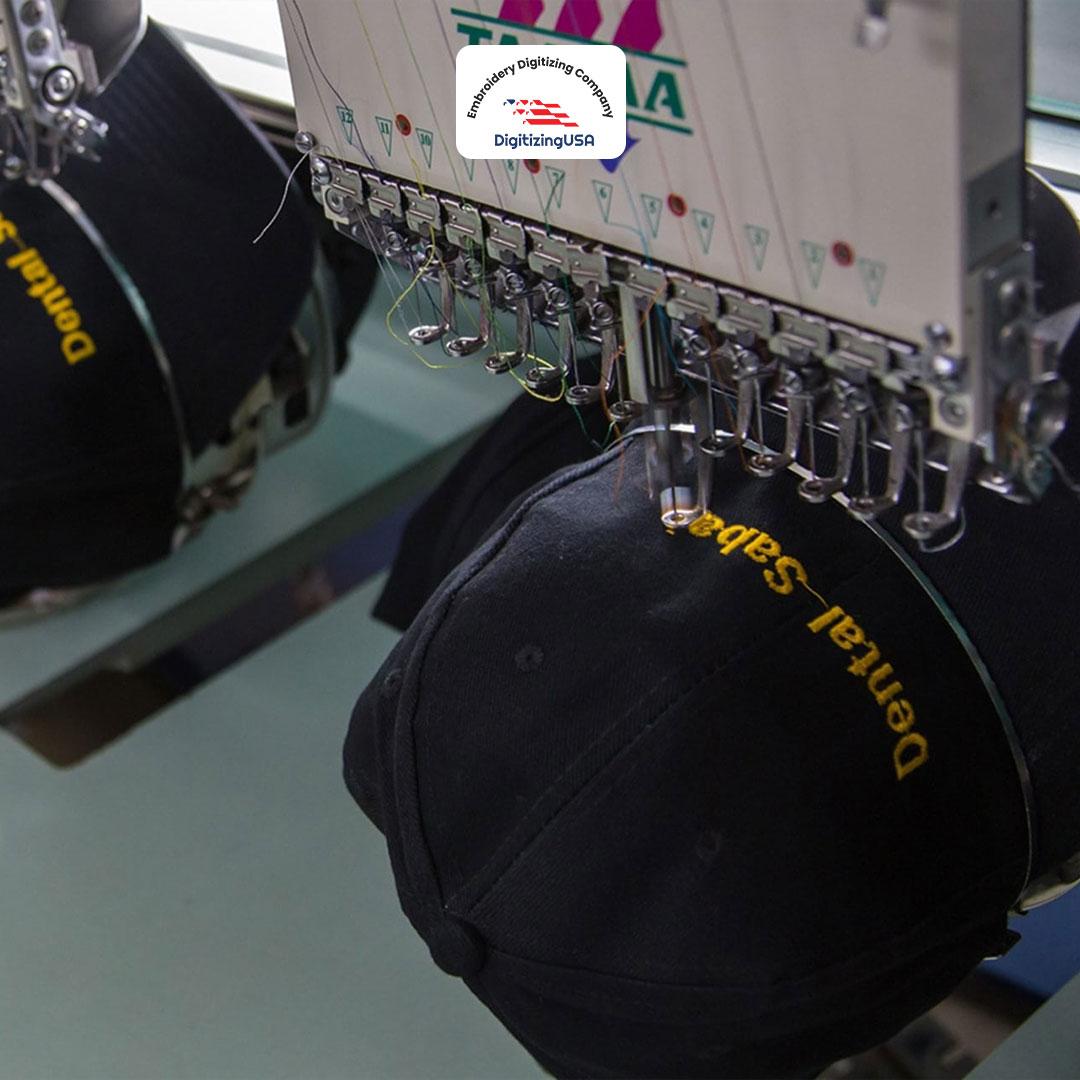
Embroidery has evolved into one of the most powerful ways to enhance branding, especially when it comes to custom caps. From corporate logos to fashion statements, caps are everywhere. However, achieving perfect embroidery on caps is not as simple as it seems. The curved surface, center seam, and structured fabric make it one of the most challenging items to embroider.
This is where embroidery machine cap embroidery digitizing becomes essential. Without proper digitizing, even the best embroidery machines cannot produce clean and professional results. A well-digitized file ensures that every stitch falls perfectly in place, creating a design that looks sharp, balanced, and visually appealing.
In this comprehensive guide, we will explore everything you need to know about cap digitizing, from basics to advanced techniques, common mistakes, and expert tips to help you achieve flawless embroidery results.
Understanding Embroidery Machine Cap Digitizing
Embroidery digitizing is the process of converting artwork into a stitch file that an embroidery machine can read. When it comes to caps, digitizing becomes more specialized because of the structure and shape of the hat.
Embroidery machine cap embroidery digitizing focuses on adapting designs to fit the curved and often stiff surface of caps. It requires a deep understanding of how stitches behave on different materials and how to control factors like tension, density, and direction.
Unlike flat embroidery, cap digitizing involves:
- Designing for a curved surface
- Managing thick seams
- Adjusting stitch flow
- Ensuring proper alignment
This level of customization ensures that the final embroidery looks clean and professional rather than distorted or uneven.
Why Cap Embroidery is More Challenging Than Flat Embroidery
Many beginners assume that a design that works on a shirt will also work on a cap. Unfortunately, this is not the case. Caps present unique challenges that require special attention during digitizing.
Curved Surface Complexity
Caps are not flat. When placed on a cap frame, the surface becomes curved, which affects how stitches lay down. If not digitized properly, designs can appear warped or stretched.
Center Seam Problems
Most caps have a center seam running vertically through the front panel. This seam is thicker than the rest of the fabric and can disrupt stitching. Without proper planning, stitches may shift, resulting in uneven designs.
Limited Embroidery Area
Caps offer a smaller embroidery area compared to garments. This means designs must be simplified and resized without losing their visual impact.
Structured vs Unstructured Caps
Structured caps are stiff and hold their shape, while unstructured caps are softer. Each type behaves differently during embroidery, requiring adjustments in digitizing techniques.
Key Techniques in Embroidery Machine Cap Digitizing
To achieve high-quality cap embroidery, professional digitizers use several important techniques:
Center-Out Digitizing
One of the most important methods in cap digitizing is starting from the center and working outward. This helps manage the center seam and ensures symmetry in the design.
Proper Stitch Angles
Adjusting stitch angles is critical for preventing distortion. The angle must follow the natural curve of the cap to ensure smooth stitching.
Underlay Stitches
Underlay provides a foundation for the top stitches. It stabilizes the fabric and improves the overall appearance of the design.
Common underlay types include:
- Edge run
- Zigzag
- Center walk
Each type serves a different purpose depending on the design.
Density Adjustment
Too much density can cause thread breaks, while too little can make the design look incomplete. Finding the right balance is key to smooth embroidery.
Push and Pull Compensation
Fabric tends to shift during embroidery. Push and pull compensation helps adjust the design to counteract this movement, ensuring accurate results.
Tools and Software Used in Cap Digitizing
Professional digitizers use specialized software to create embroidery files. These tools allow precise control over every stitch.
Popular embroidery digitizing software includes:
- Wilcom
- Hatch Embroidery
- Pulse
- Brother PE-Design
These programs offer advanced features like stitch simulation, automatic underlay, and manual editing for perfect results.
Best Design Practices for Cap Embroidery
Not all designs are suitable for caps. To ensure the best results, follow these design guidelines:
Keep It Simple
Complex designs with too many details may not translate well onto caps. Simpler designs with bold elements work better.
Use Bold Fonts
Thin and small text can become unreadable when embroidered. Choose thicker fonts for better visibility.
Limit Colors
Using too many colors can complicate the stitching process. Stick to a manageable color palette.
Avoid Tiny Details
Fine details may get lost during embroidery. Focus on clarity and readability.
Choosing the Right Materials
The quality of your embroidery also depends on the materials you use.
Threads
High-quality threads ensure durability and vibrant colors. Polyester threads are commonly used for caps due to their strength.
Needles
Using the correct needle size helps prevent damage to the fabric and ensures smooth stitching.
Stabilizers
Stabilizers provide support during embroidery. Caps typically require strong backing to maintain shape and prevent distortion.
Step-by-Step Cap Embroidery Process
Here is a simplified workflow for cap embroidery:
- Prepare the design
- Digitize the design specifically for caps
- Load the file into the embroidery machine
- Hoop the cap correctly
- Run a test stitch
- Make adjustments if needed
- Start production
Following these steps ensures consistent and high-quality results.
Common Mistakes in Cap Digitizing
Even experienced embroiderers can make mistakes. Here are some common issues to avoid:
Ignoring the Center Seam
Failing to account for the seam can ruin the design alignment.
Overcomplicating Designs
Too much detail can lead to poor results.
Incorrect Density
Improper stitch density can cause thread breaks or gaps.
Skipping Test Runs
Testing is essential to identify and fix issues before production.
Benefits of Professional Embroidery Digitizing Services
Outsourcing to professional digitizers can save time and improve quality.
Expertise
Professionals understand the complexities of cap digitizing.
Efficiency
Faster turnaround times for large orders.
Accuracy
High-quality files reduce errors and improve consistency.
Cost-Effective
Reduces material waste and machine downtime.
Tips for Beginners
If you are new to cap embroidery, start with these tips:
- Practice with simple designs
- Learn basic digitizing techniques
- Use quality materials
- Test designs before production
- Study professional work for inspiration
Consistency and practice will help you improve over time.
Advanced Techniques for Professionals
For those looking to take their skills to the next level:
3D Puff Embroidery
Adds a raised effect to designs, commonly used for logos on caps.
Layering Stitches
Creates depth and dimension in designs.
Custom Underlay Techniques
Improves stability and stitch quality.
Future of Cap Embroidery Digitizing
With advancements in technology, embroidery digitizing continues to evolve. AI-based tools and automation are making the process faster and more efficient, but human expertise remains essential for high-quality results.
Conclusion
Embroidery machine cap embroidery digitizing is a specialized skill that requires knowledge, practice, and attention to detail. From understanding the challenges of cap structures to mastering advanced techniques, every step plays a role in achieving perfect results.
Whether you are a beginner or a professional, investing time in learning cap digitizing or working with experienced digitizers can significantly improve your embroidery quality.
In the end, great embroidery is not just about machines—it’s about precision, creativity, and the art of turning designs into stitches that stand out.



 SPARK Website

 English