


 SPARK Website
Oral Health Tips for People With Dental Anxiety and Panic Disorders
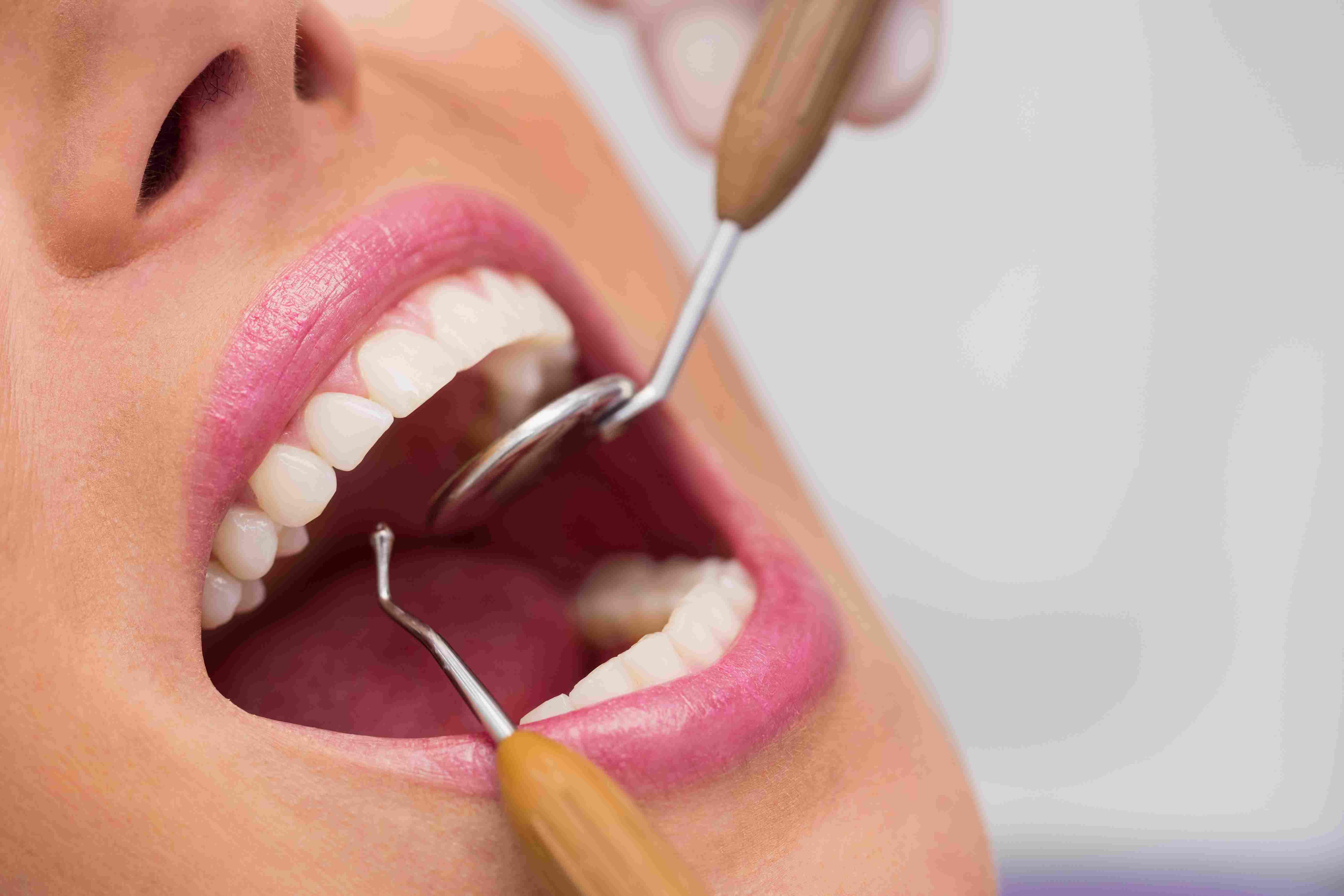
For many people, the idea of sitting in a dental chair brings on more than mild nervousness. If you live with anxiety or a panic disorder, the sound of a drill, the smell of a clinic, or even the thought of an upcoming appointment can trigger real physical symptoms such as a racing heart, sweating, or a full panic attack. As a result, it is common for people with these conditions to delay or completely avoid dental visits for years. Unfortunately, this avoidance often leads to bigger problems down the road, including cavities, gum disease, and tooth loss that could have been prevented with regular care.
The good news is that dental anxiety is extremely common, and clinics today are far more aware of it than they used to be. With the right approach, both at home and at the dentist, it is possible to protect your smile without feeling overwhelmed. This article looks at practical ways to manage anxiety around dental visits, how to maintain oral health between appointments, and what to look for when choosing a dentist who understands your needs, whether you are searching for a dental clinic kottakkal or a dental clinic in thalassery.
Why Dental Anxiety Happens
Dental anxiety can stem from many sources. Some people had a painful or frightening experience as a child that left a lasting impression. Others feel a loss of control while lying back in a chair with someone working inside their mouth. For people with panic disorder specifically, the unpredictability of sensations such as numbness from anaesthesia, the gag reflex, or restricted breathing with instruments in the mouth can mimic the physical symptoms of a panic attack, which creates a cycle of fear.
Understanding the root of the anxiety is the first step toward managing it. Once you know what triggers your response, whether it is noise, smell, certain tools, or simply the waiting room, you can work with your dental team to address those specific triggers directly.
The Hidden Cost of Avoiding the Dentist
When checkups and cleanings are skipped for long periods, small issues can quietly grow into larger ones. A minor cavity that could have been treated with a simple filling may turn into a problem requiring a root canal or extraction if left untreated. Gum disease, which often has no obvious symptoms in its early stages, can progress silently and eventually affect the bone supporting your teeth.
Avoidance can also create a difficult emotional loop. The longer you stay away, the more likely it becomes that you will need more extensive treatment when you finally do go, which can make the anxiety even worse. Breaking this cycle early, even with small steps, makes a significant difference in both your oral health and your peace of mind.
At-Home Habits That Reduce the Need for Urgent Visits
While nothing fully replaces professional cleanings and checkups, a strong home care routine can reduce the frequency and urgency of dental problems. This is especially helpful for people who need extra time to work up to an appointment.
-
Brush twice a day for two minutes using a fluoride toothpaste and a soft-bristled brush, angling the bristles toward the gum line.
-
Floss once daily to remove plaque and food particles from between teeth where a brush cannot reach.
-
Use an antimicrobial or fluoride mouth rinse if recommended, particularly if you are prone to gum inflammation.
-
Limit sugary snacks and acidic drinks, which contribute to enamel erosion and cavities over time.
-
Stay hydrated, since a dry mouth allows bacteria to thrive more easily and increases the risk of decay.
-
Replace your toothbrush every three months or sooner if the bristles look worn.
These habits will not fix existing issues like deep cavities or advanced gum disease, but they can slow down new problems and keep your mouth healthier in the meantime.
Strategies to Manage Anxiety Before and During Appointments
There are several techniques that people with anxiety and panic disorders have found helpful when preparing for a dental visit. None of these require you to push through severe distress; instead, they are meant to gradually make visits more manageable.
-
Book the first appointment of the day so you have less time to sit and worry beforehand.
-
Bring headphones and listen to calming music or a podcast to block out clinical sounds.
-
Practice slow breathing exercises in the waiting room, such as inhaling for four counts and exhaling for six.
-
Agree on a hand signal with your dentist so you can pause the procedure at any point without speaking.
-
Ask if a numbing gel can be applied before injections to reduce discomfort.
-
Consider bringing a trusted friend or family member for support, if the clinic allows it.
Some clinics also offer sedation options for patients with severe anxiety, ranging from mild oral sedatives to nitrous oxide, often called laughing gas. These can be discussed in advance so you know exactly what to expect and can make an informed decision about what feels right for you.
Finding the Right Dental Clinic for Your Needs
Not all clinics approach anxious patients the same way, and finding a practice that takes the time to listen can make a meaningful difference. When researching a dental clinic kottakkal or a dental clinic thalassery, it can help to look for reviews that mention patience, clear communication, and a calm environment. Many clinics now train their staff specifically in handling nervous patients and are happy to walk you through procedures step by step before they begin.
During your first call or visit, it is reasonable to ask questions such as whether the dentist is willing to explain each step before doing it, whether breaks are allowed during longer procedures, and whether the clinic has experience working with patients who have panic disorders. A dentist who responds to these questions with patience rather than impatience is often a good sign that the practice will be a comfortable fit.
Building a Gradual Path Back to Regular Care
If you have avoided the dentist for years, the idea of jumping straight into a full checkup and cleaning can feel overwhelming. Many dental teams are willing to break things down into smaller steps. The first visit might simply involve a conversation and a brief look in your mouth without any treatment at all. From there, you can build trust gradually, with future visits focused on one small task at a time.
It can also help to set a realistic goal, such as committing to one short visit every few months rather than expecting yourself to handle a long appointment right away. Over time, as positive experiences accumulate, the anxiety around visits often becomes more manageable.
When to Seek Additional Support
If dental anxiety is part of a broader pattern of panic attacks or generalised anxiety that affects daily life, it may help to speak with a mental health professional alongside addressing your dental care. Techniques such as cognitive behavioural therapy have been shown to help many people reduce the intensity of phobias, including those related to medical and dental settings. Working on anxiety management more broadly can make dental visits, and many other parts of life, easier to navigate.
What to Expect at a First Appointment After a Long Gap
Returning to a dental clinic after years away can feel intimidating, especially if you are unsure what condition your teeth and gums are in. It can help to remember that dental teams see this situation regularly and are not there to judge you. The first appointment typically begins with a conversation rather than immediate treatment. Your dentist will usually ask about your medical history, any medications you take, and the specific aspects of dental visits that cause you the most distress.
From there, a gentle visual examination is often all that happens on the first visit. This allows the dentist to get a general sense of your oral health and discuss a plan for any treatment that may be needed, without committing you to anything on the spot. Knowing that you can stop at any point, and that nothing will be done without your agreement, often takes some of the pressure off.
Supporting a Loved One With Dental Anxiety
If someone close to you struggles with dental anxiety or panic disorder, your support can make a real difference. Pushing someone to simply push through their fear rarely helps and can sometimes make the avoidance worse. Instead, offering to help research anxiety-friendly clinics, accompanying them to appointments if allowed, or simply listening without minimising their fear can go a long way.
-
Avoid comparing their fear to your own experiences, even with good intentions, since anxiety responses are highly individual.
-
Offer practical help, such as booking the appointment or arranging transport, which can reduce some of the logistical stress around visits.
-
Celebrate small steps, such as making a phone call to a clinic or attending a brief consultation, as meaningful progress rather than dismissing them as insignificant.
Final Thoughts
Living with anxiety or panic disorder does not mean you have to accept poor oral health as inevitable. With a combination of consistent home care, small and gradual steps toward professional visits, and open communication with a dental team that understands your concerns, it is possible to protect your teeth and gums while respecting your mental health needs. Whether you choose to visit a dental clinic kottakkal, Malappuram or a dental clinic thalassery, the most important step is simply reaching out and starting the conversation. A supportive dentist can work with you at your own pace, helping you build confidence one visit at a time.

 عربي
عربي