


 SPARK Website
Spot Welder for Aluminum: Precision Welding Solutions for Modern Manufacturing
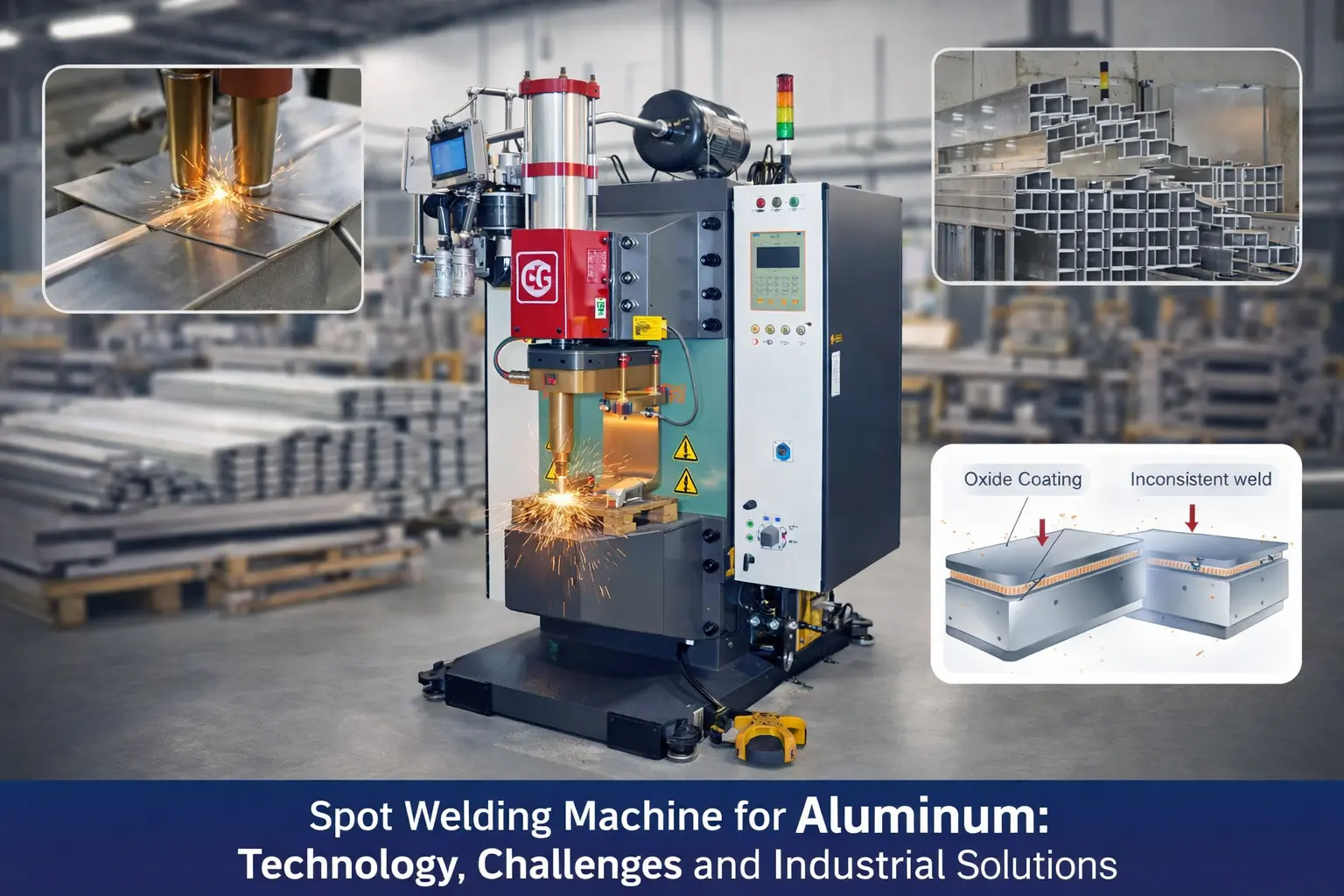
In today’s fast-paced manufacturing environment, aluminum has emerged as a preferred material for industries ranging from automotive to aerospace, electronics, and industrial machinery. Its lightweight, corrosion-resistant, and high-strength properties make it ideal for modern applications but welding aluminum presents unique challenges. For engineers, OEMs, and automation integrators, choosing the right spot welder for aluminum is critical to achieving consistent, high-quality results.
Heron Welder, a global leader in industrial welding and metal-joining solutions, specializes in advanced resistance welding technologies designed to meet these challenges. In this guide, we explore the principles, applications, and best practices of aluminum spot welding, helping manufacturers make informed decisions.
Understanding Aluminum Spot Welding
Spot welding is a type of resistance welding where metal sheets are joined at localized points using pressure and electrical current. For aluminum, this process requires precision because of the metal's high thermal conductivity and oxide layer. Unlike steel, aluminum quickly dissipates heat, which can lead to weak welds or electrode sticking if not handled properly.
Key factors for aluminum spot welding include:
- Current control: High and consistent amperage ensures proper fusion at the weld spot.
- Electrode design: Specially shaped copper or copper-alloy electrodes minimize sticking and improve heat transfer.
- Weld timing: Accurate pulse duration is critical to avoid overheating or insufficient weld penetration.
- Pressure management: Uniform electrode pressure ensures even weld nugget formation without deforming thin aluminum sheets.
Heron’s advanced MFDC and capacitor discharge spot welders are engineered to handle aluminum’s thermal characteristics, providing reliable welds while protecting the integrity of the material.
Applications of Spot Welding Aluminum
Aluminum spot welding is widely used across industries that demand lightweight and durable assemblies. Typical applications include:
Automotive Industry
Modern vehicles increasingly use aluminum for body panels, chassis components, and battery enclosures in electric vehicles (EVs). Precision spot welders help achieve strong, corrosion-resistant joints that maintain vehicle safety and structural integrity.
Aerospace and Transportation
High-strength aluminum alloys are essential for aircraft fuselages, interior panels, and rail transport components. Spot welding enables fast, repeatable, and reliable assembly while minimizing weight.
Electronics and Industrial Equipment
Thin aluminum sheets are common in electronic housings, heat sinks, and industrial enclosures. Spot welding offers a controlled, non-invasive joining method that preserves electrical and thermal properties.
Custom Manufacturing and Automation Lines
OEMs and integrators benefit from spot welding in automated production lines, where consistent weld quality and cycle times are critical. Heron’s automated welding solutions integrate seamlessly into existing assembly lines for high-throughput production.
Spot Welding Aluminum vs. Steel: Key Differences
While spot welding principles are similar for steel and aluminum, aluminum’s physical properties require specialized approaches:
| Feature | Steel Spot Welding | Aluminum Spot Welding |
|---|---|---|
| Thermal Conductivity | Low | High – heat dissipates quickly |
| Oxide Layer | Minimal | Hard, refractory – requires high current |
| Electrode Wear | Moderate | High – requires alloyed electrodes |
| Weld Nugget Formation | Rapid | Slower, needs precise timing and control |
Heron’s welding systems account for these differences with adaptive current control, electrode cooling, and precise timing to ensure consistent aluminum welds even in challenging alloys.
Best Practices for Aluminum Spot Welding
- Choose the right welder type: MFDC and capacitor discharge spot welders are ideal for aluminum because they provide precise, controllable energy delivery.
- Electrode maintenance: Regular polishing and proper shaping prevent sticking and extend electrode life.
- Surface preparation: Remove contaminants and oxide layers to ensure optimal weld quality.
- Optimize welding parameters: Fine-tune current, force, and duration for each aluminum alloy and sheet thickness.
- Test and inspect: Use destructive and non-destructive testing to validate weld consistency and strength before full-scale production.
Heron’s engineering team works closely with clients to configure welding systems and parameters tailored to specific aluminum alloys, part geometries, and production volumes.
Advantages of Using Heron Spot Welders for Aluminum
- High precision: Consistent welds even on thin or complex geometries.
- Reduced material deformation: Optimized pulse control minimizes warping.
- Long electrode life: Special alloys and cooling systems reduce wear.
- Automation-ready: Integrates seamlessly into robotic and production line systems.
- Expert support: Engineering consultation for process optimization and troubleshooting.
Frequently Asked Questions (FAQs)
1. Can all aluminum alloys be spot welded?
Most common aluminum alloys, such as 5xxx and 6xxx series, can be spot welded. However, specialized alloys may require MFDC or capacitor discharge technology for optimal results.
2. How does Heron ensure electrode longevity for aluminum welding?
Heron uses copper-alloy electrodes with advanced cooling designs and provides maintenance guidelines to reduce wear and sticking.
3. What is the difference between MFDC and standard spot welders?
MFDC (Medium Frequency Direct Current) welders deliver precise, adjustable current pulses ideal for high-conductivity metals like aluminum, unlike traditional transformers with slower response times.
4. Can Heron’s spot welders be integrated into automated production lines?
Yes. Heron’s welding systems are designed for full integration with robotic arms, conveyors, and line automation, ensuring high throughput and repeatable quality.
5. How do I determine the right welding parameters for my aluminum application?
Heron provides engineering support and process consulting to identify optimal current, pressure, and pulse settings for your specific alloy, thickness, and production requirements.
Conclusion: Optimize Aluminum Welding with Heron
Choosing the right spot welder for aluminum is essential for manufacturers seeking quality, reliability, and efficiency. Heron Welder combines cutting-edge MFDC and capacitor discharge technologies, specialized electrodes, and automation-ready systems to deliver superior welding solutions for aluminum components.
Whether you are an OEM, production engineer, or automation integrator, Heron’s expert team can help optimize your aluminum welding processes, reduce defects, and improve productivity.
Contact Heron today to request a quote or consult on customized aluminum welding and automated production solutions designed for your factory needs.

 عربي
عربي