


 SPARK Website
Future of Exosome Hair Therapy in Dubai (2026 Update)
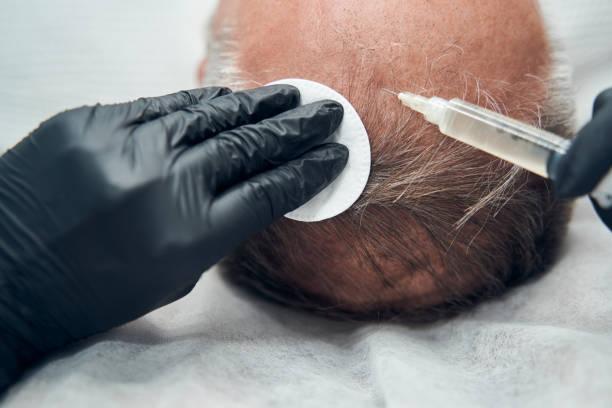
As we move through 2026, the field of regenerative medicine has shifted from purely exploratory research to a more refined, standardized application. For those navigating options for exosome hair in Dubai, the landscape has evolved significantly. What was once considered an experimental frontier is now being integrated into high-end clinical protocols with greater precision, better sourcing standards, and a clearer understanding of how these nanovesicles interact with the human scalp.
The 2026 Clinical Evolution
The most notable shift in 2026 is the movement toward rigorous standardization. In previous years, the "exosome" label was applied broadly to various preparations. Today, leading clinics are prioritizing products that undergo stringent laboratory verification. This evolution focuses on three critical pillars:
-
Purity and Characterization: Advanced identification methods now allow clinicians to confirm the exact protein and mRNA profiles within an exosome product, ensuring that what is delivered to the scalp is consistent and potent.
-
Targeted Delivery Systems: While microneedling remains a primary delivery method, 2026 has seen the refinement of deeper, more efficient micro-channeling techniques that minimize surface trauma while maximizing the bioavailability of the exosome payload.
-
Biological Synergy: The current "gold standard" is no longer just a standalone session. It is the combination of exosome therapy with complementary treatments—such as optimized scalp-care topicals and low-level laser therapy—to address the hormonal, inflammatory, and circulatory components of hair loss simultaneously.
Safety and Regulatory Transparency
A critical update for patients in 2026 is the heightened emphasis on regulatory transparency. While research is ongoing and large-scale, long-term randomized controlled trials continue to progress, the medical community is now more vocal about the distinction between "investigational" status and "proven" clinical outcome.
When you seek exosome hair in Dubai today, a professional clinic will be able to answer the following questions clearly:
-
What is the source of the exosomes? (They should be derived from high-quality mesenchymal stem cell cultures in sterile laboratory environments).
-
Are they cell-free? (Genuine exosome therapy does not contain live cells, which mitigates the risk of uncontrolled tissue proliferation).
-
What characterizes the product? (Transparency regarding the concentration of growth factors and signaling molecules is a hallmark of a high-quality provider).
Comparing Exosomes to 2026 Standards
As regenerative options like GFC (Growth Factor Concentrate) and upgraded PRP protocols become more refined, exosomes maintain their position as the "heavy hitter" for complex cases.
The Reality of Results in 2026
The consensus among specialists is that exosome therapy is not a "cure-all," but a powerful, biologically targeted tool. In 2026, the focus has shifted from "growth" to "follicular stabilization." Many patients find that the most profound benefits are not just new hair, but the improved diameter and health of existing follicles.
-
Initial Phase (Weeks 4–8): A noticeable reduction in shedding and improved scalp texture.
-
Active Phase (Months 3–6): Visible density improvements as follicles respond to the consistent signaling.
-
Maintenance: A 2026 approach acknowledges that hair loss is a chronic condition, with maintenance sessions recommended every 6 to 12 months to preserve the environment optimized by the initial protocol.
Frequently Asked Questions
Is exosome therapy still considered "experimental"?
While the application is well-supported by peer-reviewed studies and clinical usage, it is still an evolving field. Leading practitioners now present it as a sophisticated, evidence-based supportive therapy rather than a final "cure."
Why are there fewer sessions needed than in the past?
Improved manufacturing and purification have led to higher-potency formulations. Because each session delivers a significantly higher "dose" of regenerative signals, the need for frequent, low-potency applications has decreased.
How does Tajmeels Clinic approach this in 2026?
We prioritize a diagnostic-first approach. Before any regenerative session, we evaluate your scalp’s baseline to ensure that exosome therapy is the most appropriate intervention for your specific hair loss drivers.
Conclusion
As we continue through 2026, exosome hair in Dubai remains at the vanguard of non-surgical restoration. By choosing a clinic that prioritizes transparency, product quality, and a comprehensive scalp-health strategy, you are positioning yourself to benefit from the most advanced regenerative tools currently available. We invite you to contact Tajmeels Clinic to learn how these 2026 advancements can be integrated into your personalized hair restoration plan.

 عربي
عربي