


 SPARK Website
The Origins of Mixed Emotions Clothing
Introduction
The phrase “mixed emotions” isn’t just a poetic expression—it’s a deeply human experience that reflects the complexity of modern life. Think about it: when was the last time you felt purely one emotion? Rarely, right? Most of the time, feelings overlap—joy mixed with anxiety, excitement tangled with fear, love blended with doubt. This layered emotional state has become especially prominent in today’s fast-paced, hyper-connected world, where people are constantly juggling identities, expectations, and digital personas. In cultural terms, mixed emotions represent contradiction, duality, and authenticity. Instead of hiding emotional conflict, modern society—especially younger generations—has started embracing it.
Fashion, as one of the most visible forms of self-expression, naturally absorbed this concept. Clothing stopped being just about aesthetics or status—it became a storytelling tool. Wearing something that says “I’m happy and hurting at the same time” resonates more deeply than a plain logo tee. It’s almost like wearing your diary in public, but in a stylized, curated way. This is where “Mixed Emotions Clothing” finds its foundation. It taps into that shared human experience and turns it into wearable art. The name itself isn’t just branding—it’s a statement, almost a quiet rebellion against emotional simplicity.
How Clothing Became a Medium for Emotional Expression
Clothing has always been more than just fabric stitched together—it’s a silent language. Long before social media captions and status updates, people used what they wore to signal identity, mood, and belonging. But over time, this silent language has evolved into something much louder, more intentional, and deeply emotional. Think about how a simple outfit can change your entire mood. Ever put on something and instantly felt more confident? Or maybe you’ve worn darker tones on days when you just didn’t feel like being seen. That’s not accidental. Clothing acts as an emotional amplifier, reflecting what’s going on internally while also influencing how we feel externally.
As society progressed, especially into the late 20th and early 21st centuries, fashion became increasingly intertwined with personal storytelling. Subcultures like punk, grunge, and hip-hop didn’t just introduce new styles—they introduced new ways of expressing frustration, rebellion, sadness, and hope. Ripped jeans weren’t just trendy; they symbolized defiance. Oversized hoodies weren’t just comfortable; they offered a sense of security and anonymity. With the rise of graphic design in fashion, clothing started speaking even more directly. Words, phrases, and symbols began appearing on garments, turning them into walking billboards of emotion. Statements like “Lost,” “Alone,” or “Stay Strong” became common, reflecting inner struggles and aspirations.
The Early Roots of Emotion-Driven Fashion
Long before modern brands and streetwear drops, clothing already carried emotional and symbolic weight. In ancient civilizations, what people wore wasn’t just about practicality—it was deeply tied to identity, belief systems, and emotional states. You could almost “read” a person just by looking at their attire. Take Ancient Egypt, for example. Colors and fabrics weren’t chosen randomly. White linen symbolized purity and spiritual cleanliness, while gold accents reflected divinity and eternal life. These weren’t just aesthetic choices—they were emotional and philosophical statements woven into everyday wear. Similarly, in Ancient China, colors like red represented joy, prosperity, and celebration, while darker tones could signal mourning or introspection.
In many indigenous cultures, clothing served as a storytelling medium. Patterns, textures, and materials often represented personal journeys, tribal affiliations, and emotional milestones. A garment could signify grief, victory, transition, or even spiritual awakening. It was less about fashion trends and more about emotional documentation. What’s fascinating is how these early practices mirror what Mixed Emotions Clothing represents today. While the medium has evolved—from handwoven textiles to mass-produced streetwear—the core idea remains the same: clothing as a vessel for emotion.
Emotional Symbolism in Medieval and Renaissance Attire
As societies evolved into the medieval and Renaissance periods, clothing became even more intricate in its emotional and symbolic messaging. This era introduced a fascinating blend of art, hierarchy, and emotional storytelling through fabric, color, and design. During medieval times, clothing was heavily influenced by social class, but it also carried emotional undertones. Dark, muted colors often reflected humility or mourning, while rich, vibrant hues like crimson and royal blue symbolized power, passion, and confidence. Fabrics such as velvet and silk weren’t just luxurious—they conveyed a sense of pride, ambition, and sometimes even emotional distance from the lower classes.
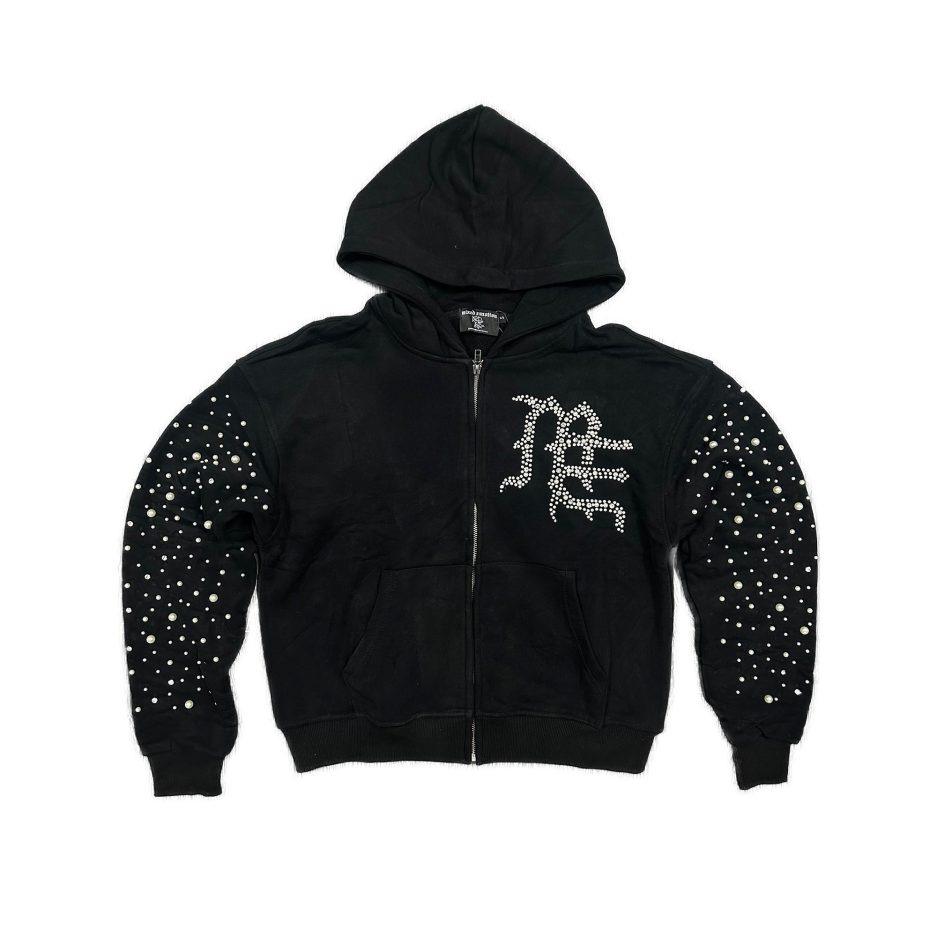
The Renaissance period took this a step further by merging fashion with artistic expression. Mixed Emotions Hoodie became almost painterly, with intricate embroidery, dramatic silhouettes, and symbolic motifs. Flowers, animals, and celestial patterns weren’t just decorative—they represented emotions, virtues, and philosophical ideas. A rose might symbolize love and beauty, while a skull could hint at mortality and introspection. This era also marked the beginning of intentional self-presentation. People started dressing not just according to their status, but according to how they wanted to be perceived emotionally. Want to appear powerful? Wear bold colors and structured garments. Want to seem gentle or introspective? Opt for softer fabrics and subtle tones.
The Rise of Streetwear and Emotional Identity
Streetwear didn’t just appear out of nowhere—it was born from rebellion, creativity, and the need for self-expression in environments where voices often went unheard. Emerging in the late 1970s and gaining serious traction through the 80s and 90s, streetwear culture pulled heavily from skateboarding, hip-hop, punk, and surf communities. These weren’t polished fashion runways; they were raw, gritty spaces where identity mattered more than luxury. At its core, streetwear was never just about clothing—it was about belonging and individuality at the same time. Oversized silhouettes, graphic tees, sneakers, and hoodies became uniforms for those who wanted to stand out while still being part of something bigger. Brands like Stüssy, Supreme, and A Bathing Ape didn’t just sell clothes—they sold a mindset, a lifestyle, and an emotional connection to culture.
What makes streetwear especially important in the story of Mixed Emotions Clothing is its openness to storytelling. Unlike traditional fashion, which often focused on elegance or status, streetwear embraced imperfection, contradiction, and raw emotion. It allowed people to express frustration, anger, ambition, and hope—all through what they wore. Think about it: a hoodie with a bold graphic or a cryptic phrase isn’t just design—it’s a statement. It might reflect social issues, personal struggles, or cultural pride. Streetwear gave people a voice without requiring them to speak, which is exactly the foundation that emotion-driven brands build on today.
Emotional Narratives in Urban Fashion
Urban fashion has always been a mirror reflecting the realities of city life—fast-paced, unpredictable, and emotionally layered. Living in an urban environment often means navigating a mix of ambition, stress, isolation, and creativity all at once. It’s no surprise that these experiences began to show up in the way people dressed. In the early days, urban fashion leaned heavily into bold statements—logos, graffiti-inspired graphics, and striking color palettes. But over time, something shifted. The messaging became more nuanced, more personal. Instead of just representing a brand or a crew, clothing started representing internal states of mind.
This evolution gave rise to what we now recognize as emotionally driven urban fashion. Graphic tees began featuring phrases about loneliness, self-doubt, or resilience. Hoodies carried messages that felt almost like journal entries. The aesthetic often leaned toward minimalism—neutral tones, simple typography—but the meaning behind it was anything but simple. Mixed Emotions Clothing fits perfectly into this shift. Its designs often play with contrast—both visually and emotionally. You might see a clean, understated design paired with a phrase that hits unexpectedly deep. That contrast creates a kind of emotional tension that resonates with people who feel like they’re constantly balancing opposing emotions.
The Emergence of Mixed Emotions Clothing as a Brand
Every brand has a starting point, but the most impactful ones usually come from a place of personal experience. Mixed Emotions Clothing is no exception. While specific origin stories may vary depending on the brand’s iteration or interpretation, what remains consistent is the underlying vision: to create clothing that reflects emotional complexity in an honest and relatable way. The founders—often creatives deeply connected to art, design, or street culture—recognized something that many traditional fashion labels overlooked. People weren’t just looking for stylish pieces; they were looking for connection. They wanted to wear something that felt real, something that acknowledged the messiness of life instead of glossing over it.
This vision didn’t come out of thin air. It was shaped by lived experiences—moments of confusion, growth, heartbreak, and self-discovery. Instead of hiding those experiences, the founders chose to highlight them, turning vulnerability into a creative force. What sets Mixed Emotions Clothing apart is its refusal to simplify feelings. Many brands focus on a single message—confidence, success, happiness. But this brand leans into contradiction. It says, “You can feel all of these things at once, and that’s okay.”
The Message Behind the Brand Name
The name “Mixed Emotions” is deceptively simple, but it carries a depth that’s hard to ignore. At first glance, it might seem like just another catchy phrase, but when you sit with it for a moment, it starts to unfold into something much more meaningful. We live in a world that often pushes for clarity and certainty. You’re expected to know how you feel, to label your emotions neatly, and to present them in a way that others can easily understand. But real life doesn’t work like that. Emotions are messy, overlapping, and sometimes even contradictory.
That’s exactly what the brand name captures. It acknowledges that it’s normal to feel conflicted, to experience joy and sadness simultaneously, or to be excited about something that also scares you. Instead of trying to resolve these contradictions, Mixed Emotions Clothing embraces them. From a branding perspective, this is incredibly powerful. The name itself becomes a conversation starter. It invites people to reflect on their own experiences and see themselves in the message. It’s not prescriptive—it doesn’t tell you how to feel. Instead, it creates space for whatever you’re already feeling. Read More...

 عربي
عربي