


 SPARK Website
Understanding 3D Commercial Rendering for Modern Architecture
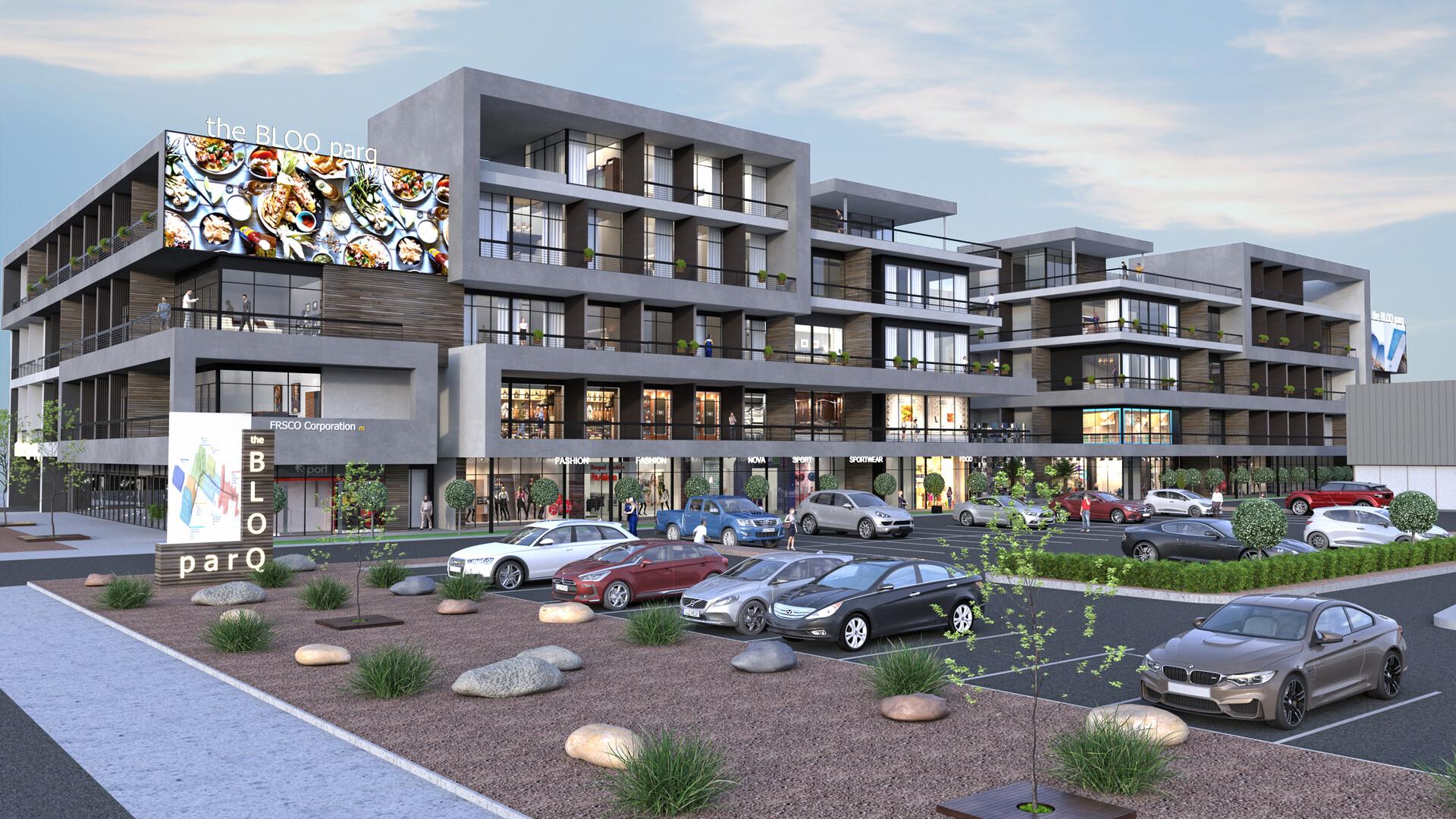
Modern architecture projects demand precision, clear visualization, and seamless communication between designers, clients, and stakeholders. 3D commercial rendering has emerged as a vital tool that brings these goals together, allowing architects and developers to showcase their concepts effectively before construction begins.
In this article, we’ll explore what 3D commercial rendering is, why it matters, and how it transforms modern architectural practices.
What Is 3D Commercial Rendering?
3D commercial rendering is the process of creating realistic, three-dimensional images of commercial spaces using specialized software. Unlike traditional 2D drawings, these renderings provide photorealistic visuals that capture textures, lighting, and spatial depth, giving clients a life-like preview of the project.
Key Features of 3D Commercial Rendering
-
Photorealistic Visuals: Brings architectural plans to life with realistic textures and lighting.
-
Interactive Walkthroughs: Allows clients to explore commercial spaces virtually.
-
Design Accuracy: Highlights potential design flaws before construction begins.
Why Modern Architecture Needs 3D Commercial Rendering
1. Enhanced Visualization
Clients often struggle to understand flat blueprints. 3D commercial rendering converts these plans into clear, tangible visuals, enabling them to experience the space virtually.
2. Improved Communication
Rendering services help architects, designers, and clients stay on the same page. Presenting photorealistic images reduces misunderstandings and accelerates decision-making.
3. Efficient Planning and Modifications
Designers can test materials, colors, and layouts in a virtual environment. This minimizes costly mistakes and ensures the final construction meets expectations.
4. Marketing and Presentation Advantage
High-quality renderings are essential for pitches, proposals, and promotional materials. They make the project more compelling to investors and stakeholders.
Popular Techniques in 3D Commercial Rendering
1. Exterior Rendering
Focuses on building facades, surrounding landscapes, and urban integration. Essential for marketing and understanding the project’s public impact.
2. Interior Rendering
Showcases commercial interiors, from office layouts to retail spaces, helping clients envision furniture, lighting, and finishes.
3. 3D Walkthroughs and Animations
Provides an immersive experience where users can virtually navigate the space, offering a comprehensive understanding of flow and scale.
Tools and Software for 3D Commercial Rendering
Top professionals rely on tools such as:
-
Autodesk 3ds Max for complex modeling and visualization
-
SketchUp for quick, versatile renderings
-
Lumion for real-time, photorealistic visualization
-
V-Ray for advanced lighting and material realism
Tips for Effective 3D Commercial Rendering
-
Focus on realistic lighting to reflect actual conditions
-
Use accurate textures and materials
-
Keep scale and proportions precise
-
Include environmental context for better visualization
Benefits for Architects and Developers
-
Faster approvals from clients and authorities
-
Reduced construction errors
-
Stronger marketing collateral for investors
-
Cost-effective experimentation with design variations
Future Trends in 3D Commercial Rendering
-
Virtual Reality (VR) Integration: Clients can walk through designs using VR headsets.
-
Augmented Reality (AR) Applications: Overlay designs on real-world sites.
-
AI-assisted Rendering: Faster, more efficient creation of high-quality visuals.
Conclusion
3D commercial rendering has become an indispensable tool in modern architecture. It not only improves visualization but also streamlines communication, enhances marketing, and ensures precise planning. For architects, developers, and clients alike, investing in professional 3D rendering services ensures that ev
For More Information: smaarchviz.com

 English