


 SPARK Website
How to Discuss Scarring When Considering Augmentation Methods
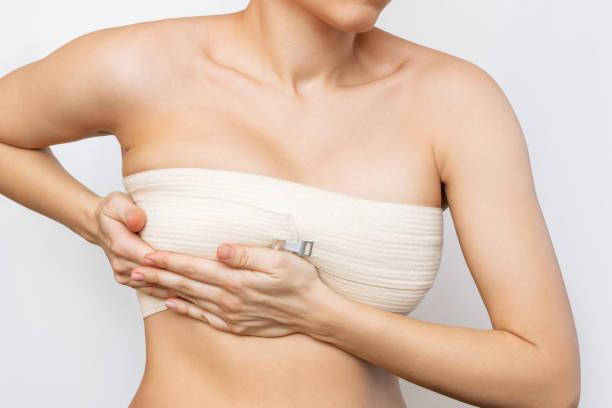
When contemplating cosmetic enhancements, the conversation surrounding potential scarring is often the most critical dialogue you will have with your surgeon. While the aesthetic goal is typically to achieve a desired shape and volume, understanding the reality of surgical incisions and the healing process is essential for setting realistic expectations. Breast augmentation methods in Riyadh (طرق تكبير الثدي في الرياض) This discussion should focus on incision placement, surgical technique, and how your body’s unique biology will influence the final appearance of your skin.
Achieving your aesthetic goals requires choosing the right approach, and many women looking into Breast augmentation methods in Riyadh are rightfully curious about how modern surgical techniques prioritize discretion. By exploring the latest advancements, you can better understand how surgeons aim to hide incisions in natural skin folds or the shadow of the breast. When you research Breast augmentation methods in Riyadh, prioritize finding a qualified specialist who treats your concerns about scarring with transparency and professional care. Ultimately, the best Breast augmentation methods in Riyadh are those that provide beautiful results while minimizing visible evidence of the procedure.
Understanding Surgical Incisions and Placement
The fundamental aspect of reducing visible scarring lies in the strategic placement of incisions. During your consultation, your surgeon will discuss where the implants will be inserted, which is a major factor in how scars mature.
-
Inframammary Incision: This is the most common approach, where the incision is made in the natural crease under the breast. It allows for excellent control and typically results in a scar that is hidden when the patient is standing.
-
Periareolar Incision: Performed around the edge of the areola, this method can make scars nearly invisible by utilizing the natural transition between the darker nipple tissue and the lighter skin.
-
Transaxillary Incision: This technique places the incision in the armpit. While this removes scars from the breast area entirely, it requires the surgeon to work from a distance, which may not be suitable for all types of implants.
The Role of Healing and Scar Management
Once the surgery is complete, the way a scar matures is largely dependent on your post-operative care and individual skin type. It is vital to understand that while a surgeon creates the incision, you play an active role in how that scar fades over time.
Following your surgeon's advice on activity restrictions, sun exposure, and skincare is paramount. The skin requires time to remodel; in the first few months, scars may appear red or raised, but they typically fade significantly over the course of a year. Many surgeons now recommend silicone gel sheeting or specialized creams to help flatten and soften the tissue as it heals.
Addressing Your Specific Aesthetic Goals
The decision-making process often involves weighing how to enlarge breasts using different implant profiles or materials. Each choice can impact the surgical approach and the potential for scarring. It is important to discuss whether you prefer a subtle enhancement or a more dramatic change, as this influences the size of the incision needed for insertion.
For those interested in breast enlargement, the conversation should also cover your medical history, including any history of hypertrophic or keloid scarring. Open communication about these factors allows your surgeon to customize the procedure to minimize risks and ensure that your results align with your vision.
Navigating Choices for Breast Enlargement in Riyadh
When considering breast enlargement in Riyadh, patients have access to world-class facilities and surgeons who utilize the latest technology to ensure optimal healing. Taking the time to ask about the specific techniques used at your chosen facility can provide peace of mind and help you feel more confident in your decision. Focus on finding a balance between the outcome you desire and the techniques that prioritize long-term skin health and minimal scarring.
For those seeking expert guidance and customized aesthetic care, you can book an appointment at the Enfield Royal Riyadh (إنفيلد رويال الرياض) to discuss your options with a board-certified specialist.
Frequently Asked Questions
How long do the surgical scars take to fade completely?
Scars typically fade over 12 to 18 months, evolving from pink or red to a thin, pale, and barely noticeable line that blends in with skin.
Will the incision location affect my ability to breastfeed?
Most modern incision placements, particularly the inframammary approach, are designed to avoid damaging the milk ducts and glandular tissue.
Can I do anything to minimize the appearance of my scars?
Yes, using silicone scar sheets, avoiding direct sun exposure on the incision, and following all post-operative care instructions helps.
What is the difference between hypertrophic scars and keloids?
Hypertrophic scars stay within the incision line, while keloids expand beyond it; your surgeon will assess your risk during consultation.
Do certain implant types require larger incisions?
Yes, larger or textured implants may require slightly longer incisions for safe insertion, which your surgeon will detail in your plan.

 عربي
عربي