


 SPARK Website
Is the best software for plumbing business the Secret Behind Scaling Service Teams?
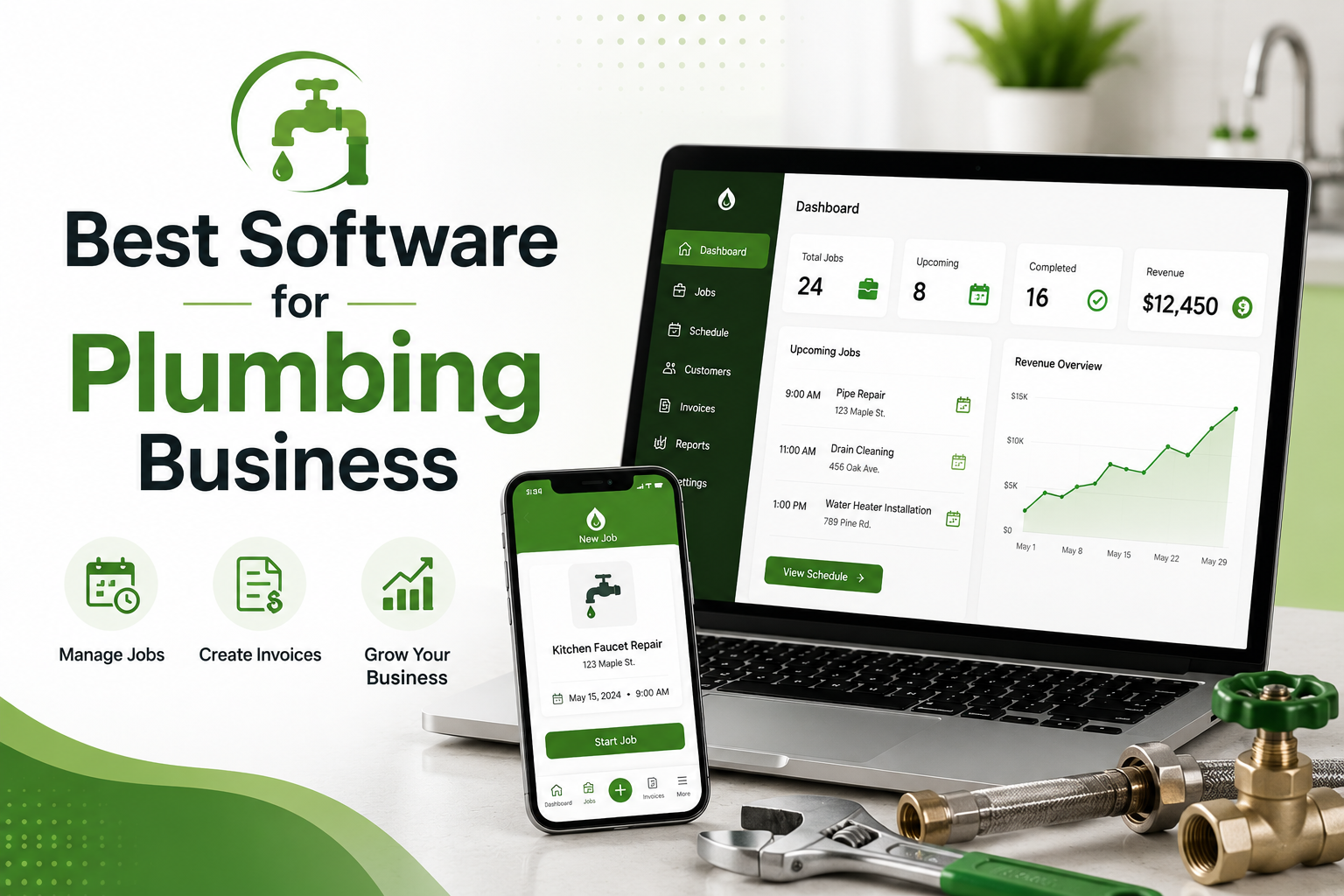
A plumbing company may have skilled technicians, strong customer relationships, and years of experience, but growth becomes challenging without organized daily operations.
As service teams grow, simple tasks become complex. More technicians require managing additional schedules, tracking more customer requests, and coordinating jobs more precisely.
Many successful plumbing companies are now asking an important question: Is the best software for plumbing business the secret behind scaling service teams?
The goal is not to replace people with technology, but to equip teams with tools to work efficiently, communicate clearly, and serve more customers without sacrificing quality.
Why does scaling a plumbing business become challenging?
Expanding a plumbing company involves more than hiring additional technicians.
A larger team creates new operational challenges:
-
More appointments to schedule.
-
More technicians to dispatch.
-
More customer updates to manage.
-
More invoices and estimates to track.
-
More chances for communication mistakes.
For residential plumbing companies, emergency calls require quick responses. For commercial contractors, managing multiple projects requires detailed organization.
Without an effective system, owners spend more time on operational issues and less on business growth.
The hidden reason some plumbing companies struggle to scale
Many plumbing businesses begin with basic tools:
-
Phone calls.
-
Paper notes.
-
Spreadsheets.
-
Manual calendars.
These methods are effective only when the company is small.
As the business grows, operational challenges emerge.
A technician may not receive updated job details. A customer may wait too long for an estimate. A dispatcher may struggle to assign the right person.
These issues impact customer satisfaction and team efficiency.
This is where the best plumbing software adds value by streamlining workflows.
How does plumbing software help service teams grow?
The right software serves as a central platform for managing daily operations.
It helps businesses organize:
-
Customer information.
-
Technician schedules.
-
Job assignments.
-
Estimates.
-
Service updates.
Instead of departments working in isolation, all teams access the same information.
5 ways software helps plumbing companies scale
1. Smarter technician scheduling
With multiple technicians, manual job assignment becomes challenging.
Managers need to consider:
-
Technician availability.
-
Location.
-
Skill level.
-
Job urgency.
A digital scheduling system improves job assignments and reduces delays.
This enables teams to manage more service requests with less confusion.
2. Faster estimates and better job planning
Customers often want quick pricing before approving a repair.
Slow estimates may lead potential customers to choose another provider.
Plumbing estimating software enables companies to generate accurate estimates more quickly.
It allows businesses to
-
Prepare quotes efficiently.
-
Track customer requests.
-
Reduce paperwork.
-
Improve response times.
A faster estimating process enhances the customer experience.
3. Better communication between office and field teams
Communication gaps can result in costly errors.
Technicians lacking accurate information may require extra trips or additional time.
A connected system helps teams access the following:
-
Customer history.
-
Job details.
-
Service instructions.
-
Updates.
This strengthens coordination between dispatchers and technicians.
4. Improved customer experience
Customers evaluate plumbing companies on more than just the repair quality.
They also notice:
-
How quickly calls are answered.
-
How clearly information is provided.
-
How professionally the process feels.
A modern system helps businesses provide the following:
-
Faster responses.
-
Accurate scheduling.
-
Better follow-ups.
-
Consistent service.
Satisfied customers are more likely to return and refer the company to others.
5. Gives owners control over business performance
As companies grow, owners require greater visibility.
They need to understand:
-
Which services are most profitable?
-
How technicians are performing.
-
Where do delays happen?
-
How many jobs are completed?
Software delivers organized data to support informed decision-making.
Important features for growing plumbing teams
The best tools offer more than just scheduling capabilities.
A strong plumbing management system should include the following:
Automations
Automated reminders and updates minimize repetitive tasks and enhance customer communication.
Job forms
Digital job forms enable technicians to collect essential information throughout the service process.
Time tracking
Time tracking provides insight into productivity and supports workflow improvements.
Expense tracking
Expense tracking monitors fuel, equipment, labor, and operational costs.
Customer management
Customer records allow teams to maintain service history and strengthen relationships.
How to introduce software into a plumbing business
Switching systems does not have to interrupt daily operations.
Follow these steps:
Step 1: Identify current problems
Review where your business loses time.
Look for:
-
Scheduling delays.
-
Slow estimates.
-
Communication issues.
-
Repeated customer questions.
Step 2: Organize your information
Move important details into one system:
-
Customer profiles.
-
Technician details.
-
Service records.
-
Job history.
Step 3: Train your team
Make sure everyone understands how to use the system.
Technicians should know how to:
-
View assignments.
-
Update job progress.
-
Add service notes.
Step 4: Improve based on feedback
Track results and adjust processes as your business grows.
Real-world example: Scaling a plumbing team
Imagine a plumbing company in New Jersey that starts with three technicians.
At first, scheduling is simple.
But after expanding to fifteen technicians, problems appear:
-
Calls are harder to organize.
-
Technicians receive incomplete information.
-
Customers wait longer for updates.
After adopting a structured management system, the company can coordinate teams more effectively.
The result:
-
Faster job assignment.
-
Better customer communication.
-
Less administrative work.
-
More completed service calls.
The business can grow without creating unnecessary operational pressure.
Frequently Asked Questions
What is the best software for a plumbing business?
The best software for plumbing business helps companies manage scheduling, customers, estimates, technicians, and daily operations.
Can plumbing software help small companies?
Yes. Small plumbing businesses can use software to stay organized and prepare for future growth.
How does plumbing estimating software help contractors?
Plumbing estimating software helps create faster quotes, organize job costs, and improve customer response times.
Does plumbing software help manage multiple technicians?
Yes. It helps assign jobs, track schedules, and improve communication between teams.
What features should plumbing companies look for?
Businesses should consider scheduling, customer management, estimates, automation, time tracking, and expense tracking.
Conclusion
Scaling a plumbing business requires more than adding technicians.
A growing team needs better organization, faster communication, and reliable processes.
The best software for plumbing business helps companies manage daily challenges while creating a foundation for long-term growth.
For plumbing professionals in New Jersey, investing in the right technology can mean smoother operations, happier customers, and a stronger service team.

 English