


 SPARK Website
The Gold Standard of Healing: Why an After Surgery Nurse at Home is Your Best Recovery Asset
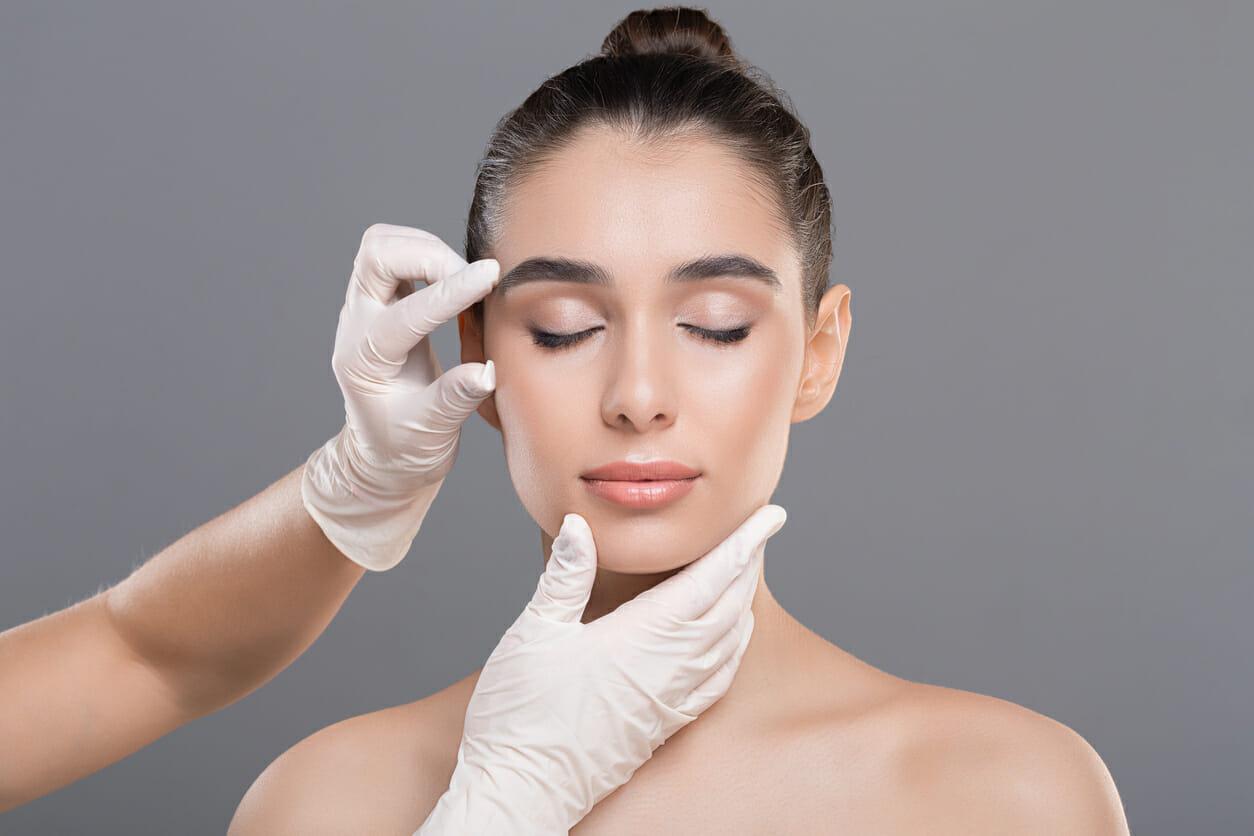
The success of a surgical procedure is often measured by the precision of the surgeon’s blade, but the true longevity of those results is determined in the quiet hours of the days that follow. As healthcare shifts toward outpatient models, more patients than ever are being discharged to recover in their own environments. While the comfort of one's own bed is unmatched, the medical responsibilities that come with it can be overwhelming. This is why hiring an after surgery nurse at home has transitioned from a luxury to a clinical necessity for those prioritizing safety and aesthetic excellence.
When you transition from a clinical setting to a domestic one, you lose the immediate oversight of a hospital staff. For many, this "care gap" is where anxiety and complications can take root. A dedicated private nurse closes that gap, transforming a stressful recovery into a streamlined, professional healing journey.
Bridging the Gap Between Hospital and Home
In the immediate wake of surgery, the body is in a state of hyper-vigilance. Anesthesia is still clearing the system, inflammatory markers are peaking, and the primary focus is on stabilizing the "new normal." A family member—no matter how dedicated—is rarely equipped to manage the clinical nuances of post-operative care.
An after surgery nurse at home brings the expertise of the recovery room into your living room. Their role is multifaceted:
-
Objective Clinical Assessment: They monitor vital signs (blood pressure, heart rate, oxygen saturation) to ensure your body is responding well to the trauma of surgery.
-
Early Detection of Complications: They are trained to see the subtle "pre-signs" of issues like hematomas, seromas, or skin necrosis long before they become visible to the untrained eye.
-
Medication Management: Post-op medication schedules can be grueling. A nurse ensures that pain management is proactive rather than reactive, preventing the "pain wall" from being breached.
The Precision of Post-Operative Wound Care
One of the most significant advantages of professional home nursing is the management of the surgical site. The way an incision is treated in the first 72 hours dictates the quality of the final scar.
A nurse utilizes sterile techniques for every dressing change, significantly reducing the risk of surgical site infections (SSIs). They also manage surgical drains—stripping the tubing to prevent clots and measuring output with clinical accuracy. This data is vital for your surgeon, as it determines when it is safe for the drains to be removed. Without this professional oversight, fluid can build up under the skin, leading to tension on the sutures and potential wound dehiscence (opening).
Elevating the Patient Experience: Plastic Surgery Nurse
For those undergoing elective or reconstructive procedures, the expectation for care is exceptionally high. Plastic Surgery Nurse specializes in providing this elite level of one-on-one attention. By focusing specifically on the needs of surgical patients, they offer a concierge approach that blends high-level medical monitoring with the personalized touch of private care. This specialized focus ensures that the surgeon’s work is protected by a professional who understands the specific mechanics and aesthetic goals of your procedure, allowing you to rest with the confidence that every detail is being managed by an expert.
Preventing the "Silent" Post-Op Risks
While most patients worry about pain or scarring, the most dangerous post-operative risks are often invisible. Deep Vein Thrombosis (DVT) and Pulmonary Embolisms (PE) are the primary concerns for any patient who has undergone a long procedure or has limited mobility.
An after surgery nurse at home implements a strict safety protocol that includes:
-
Guided Ambulation: Helping the patient move safely to promote circulation without risking a fall due to orthostatic hypotension (dizziness upon standing).
-
Respiratory Therapy: Encouraging deep breathing exercises or the use of an incentive spirometer to prevent post-surgical pneumonia.
-
Hydration Monitoring: Ensuring the kidneys are functioning correctly and that the patient is flushing out the remnants of anesthesia.
The Psychological Impact of Professional Support
Surgery is as much a mental challenge as it is a physical one. It is common for patients to experience a "post-op dip" in mood as the adrenaline wears off and the physical reality of recovery sets in. Having a professional presence in the home provides an immense sense of security.
When a patient asks, "Is this much bruising normal?" or "Should I be feeling this sensation?", a nurse provides an answer rooted in clinical experience. This eliminates the "Google-searching" spiral that leads to unnecessary stress. Stress increases cortisol, and high cortisol levels are known to slow down the body’s ability to knit tissue back together. By maintaining a calm, controlled environment, the nurse is literally accelerating the biological healing process.
Procedure-Specific Nursing Care
Different surgeries require vastly different recovery "blueprints." A general caregiver might not know the specific positioning required for a particular surgery, but a specialized nurse does.
Body Contouring and Abdominoplasty
In procedures like a tummy tuck, the patient must often maintain a "flexed" position (the beach chair position) to avoid putting tension on the new incision. A nurse manages the pillows, assists with the compression garments (Fajas), and ensures that the skin is not being pinched or folded in a way that could cause permanent contour irregularities.
Facial Plastic Surgery
Recovery from a facelift or rhinoplasty requires meticulous management of head elevation and cold compress rotation. A nurse monitors for facial nerve function and ensures that swelling doesn't compromise the delicate skin flaps around the ears and hairline.
Breast Surgery
Whether it’s an augmentation or a reduction, monitoring for symmetry and implant position is key. A nurse can identify if an implant is "riding high" or if there is localized heat that might suggest an early inflammatory response.
Nutrition: The Fuel for Repair
An after surgery nurse at home also oversees the patient's nutritional intake. Healing requires a significant increase in caloric and protein intake to support collagen production. However, post-operative nausea often makes eating difficult. A nurse can coordinate with your medical team to manage nausea effectively and suggest high-protein, easy-to-digest options that support wound healing without causing gastrointestinal distress.
The Transition to Independence
The ultimate goal of private nursing is to empower the patient. As the days progress, the nurse shifts from doing for the patient to teaching to the patient. They provide education on scar massage, gradual activity increases, and how to recognize long-term signs of healing. This ensures that when the nursing period ends, the patient is fully equipped to continue their journey to a full recovery safely.
Conclusion: Protecting Your Transformation
Choosing to have surgery is a significant investment of time, emotion, and finances. The period of recovery is the most vulnerable phase of that investment. By hiring an after surgery nurse at home, you are not just buying convenience; you are hiring a clinical advocate whose sole job is to ensure your safety and optimize your results.
In the complex landscape of modern medicine, the best results are achieved through a team effort. Your surgeon provides the vision, and your recovery nurse provides the protection. Together, they ensure that the "new you" emerges in the healthiest, most beautiful way possible.

 عربي
عربي