


 SPARK Website
Understanding Voltage Systems in Golf Carts
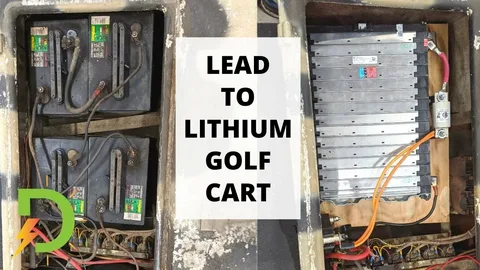
Golf carts have evolved significantly over the years, becoming more than just transportation vehicles for golf courses. Today, they are widely used in residential communities, resorts, industrial facilities, and recreational areas. One of the most important aspects of a golf cart’s performance is its voltage system. Understanding how voltage systems work can help owners make informed decisions about upgrades, maintenance, and overall vehicle performance.
The voltage system determines how much power a golf cart can deliver to its motor and accessories. Whether a cart uses a 36 volt battery for golf cart applications or a higher-voltage setup, understanding the basics of electrical systems is essential for maximizing efficiency and reliability. A properly configured voltage system can improve acceleration, driving range, and overall driving experience.
What Is Voltage in a Golf Cart?
Voltage is the electrical pressure that pushes energy through a golf cart’s electrical system. It is measured in volts (V) and serves as one of the key factors affecting the performance of the vehicle.
In simple terms, voltage determines how much power is available to operate the motor and other electrical components. Higher voltage systems generally provide more power, allowing the cart to accelerate faster and handle challenging terrain more effectively.
Golf carts commonly use either 36-volt or 48-volt systems, though some advanced models may use even higher voltages. The right choice depends on the intended use of the vehicle and the owner's performance requirements.
How Golf Cart Voltage Systems Work
A golf cart battery system consists of multiple batteries connected together to achieve a desired voltage. Each battery contributes a specific amount of voltage, and when connected in series, their voltages add together.
For example:
-
Six 6-volt batteries can create a 36-volt system.
-
Six 8-volt batteries can create a 48-volt system.
-
Four 12-volt batteries can also create a 48-volt system.
The combined voltage powers the motor controller, which regulates energy flow to the motor. The motor then converts electrical energy into mechanical movement, allowing the cart to operate efficiently.
Common Voltage Systems Used Today
36-Volt Systems
The 36-volt system has been a standard option in golf carts for many years. It is often found in older models and remains popular among users with moderate driving needs.
Benefits include:
-
Lower upfront costs
-
Simple maintenance
-
Adequate performance for flat terrain
-
Widely available replacement parts
However, 36-volt systems may struggle with steep hills, heavy loads, or long-distance travel compared to higher-voltage alternatives.
48-Volt Systems
The 48-volt system has become increasingly popular due to its superior performance capabilities. Many modern golf carts are designed around this voltage level because it offers a balance between power and efficiency.
Advantages include:
-
Improved acceleration
-
Greater torque
-
Better hill-climbing ability
-
Increased driving range
-
Enhanced support for accessories
As technology advances, 48-volt systems continue to dominate the golf cart industry.
Why Voltage Matters
Voltage plays a direct role in determining how a golf cart performs under various conditions. While factors such as motor size and battery capacity also matter, voltage significantly influences the vehicle's overall capabilities.
Faster Acceleration
Higher voltage systems can deliver more power to the motor, resulting in quicker acceleration and smoother operation.
Better Hill-Climbing Performance
Golf carts operating on higher voltage systems often perform better on inclines because they can generate more torque.
Improved Energy Efficiency
Modern high-voltage systems are designed to distribute power more effectively, reducing energy waste and extending battery life.
Support for Additional Accessories
Many golf cart owners install accessories such as lights, GPS units, sound systems, and charging ports. A higher-voltage system can better support these additional power requirements.
Voltage vs Battery Capacity
Many people mistakenly believe voltage and battery capacity are the same thing. In reality, they are different measurements that work together to determine overall performance.
Voltage measures electrical pressure, while battery capacity measures how much energy a battery can store. Capacity is usually measured in amp-hours (Ah).
For example:
-
Voltage determines power delivery.
-
Capacity determines how long the battery can provide that power.
A golf cart with high voltage but low capacity may perform well initially but require frequent charging. Conversely, a cart with lower voltage and high capacity may have longer run times but less overall power.
Understanding both factors helps owners choose the most suitable battery system.
Lead-Acid vs Lithium Voltage Systems
Modern golf carts can use either lead-acid or lithium batteries. Both technologies support various voltage configurations, but their performance characteristics differ significantly.
Lead-Acid Batteries
Lead-acid batteries have powered golf carts for decades. They remain affordable and widely available but require regular maintenance.
Characteristics include:
-
Heavier weight
-
Slower charging times
-
Lower upfront cost
-
Shorter lifespan
Lithium Batteries
Lithium batteries are becoming the preferred choice for many golf cart owners due to their efficiency and convenience.
Benefits include:
-
Lightweight design
-
Faster charging
-
Longer lifespan
-
Consistent voltage output
-
Minimal maintenance
The stable voltage delivery of lithium batteries often results in smoother performance throughout the discharge cycle.
Factors to Consider Before Upgrading
Before upgrading a golf cart’s voltage system, several factors should be evaluated.
Driving Conditions
Users who frequently travel on hills or rough terrain may benefit from higher voltage systems.
Budget
While upgrading can improve performance, costs vary depending on battery type, controller requirements, and installation expenses.
Vehicle Compatibility
Not all golf carts are designed to support voltage upgrades without modifications. Components such as motors, controllers, and wiring may need replacement.
Intended Usage
A golf cart used for occasional short trips may not require a major voltage upgrade, while commercial or heavy-duty applications may benefit significantly.
Maintenance Tips for Voltage Systems
Proper maintenance helps ensure consistent performance and longer battery life.
Recommended practices include:
-
Regular battery inspections
-
Cleaning terminals and connections
-
Monitoring charging habits
-
Checking wiring for wear or corrosion
-
Following manufacturer guidelines
Routine maintenance reduces the risk of voltage loss and improves overall system reliability.
The Future of Golf Cart Voltage Technology
Golf cart technology continues to evolve rapidly. Manufacturers are developing smarter battery management systems, advanced controllers, and more efficient motors.
Future innovations may include:
-
Faster charging systems
-
Smart monitoring applications
-
Improved energy management
-
Enhanced battery safety features
-
Greater integration with renewable energy sources
These advancements will continue making golf carts more powerful, efficient, and environmentally friendly.
Final Thoughts
Understanding voltage systems is essential for anyone looking to improve golf cart performance or make informed upgrade decisions. Whether using a traditional setup or exploring modern battery technologies, voltage plays a major role in determining speed, efficiency, and overall driving experience.
Many owners upgrading to a 48v lithium battery kit for golf cart solution find that the combination of higher voltage and advanced battery technology delivers outstanding results. By understanding how voltage systems work and selecting the right configuration, golf cart owners can maximize performance, extend battery life, and enjoy a more reliable driving experience.
In conclusion, voltage is the foundation of a golf cart’s electrical system. A solid understanding of this concept helps owners optimize performance, reduce maintenance costs, and prepare their vehicles for future technological advancements.

 English