


 SPARK Website
The Rise of Esports Stadiums in India: What 2026 Looks Like From the Inside
India's Esports Infrastructure Is Finally Catching Up With Its Ambition
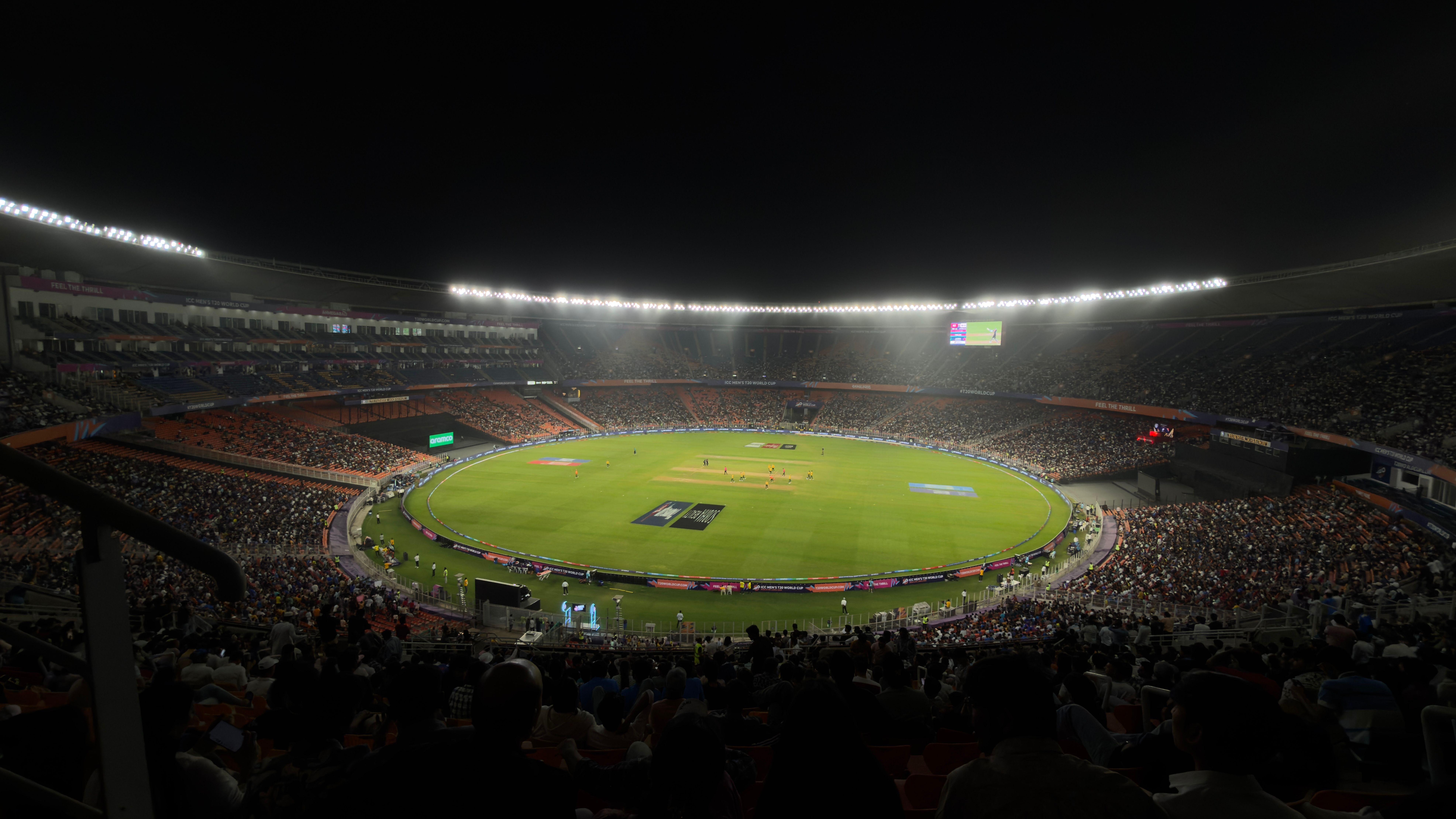
For years, Indian esports operated in a vacuum — a thriving online community with millions of players and fans, but no physical home to call its own. That gap has closed decisively in 2026. Dedicated esports arenas have opened in Hyderabad, Bengaluru, Pune, and Kolkata, purpose-built for competitive gaming with high-refresh-rate screens, fiber-optic connectivity, spectator seating, and broadcast infrastructure that rivals traditional sports stadiums.
This shift from bedroom gaming to arena-scale competition has changed everything — how players are developed, how fans engage, and how sponsors view esports as a marketing channel. India's esports infrastructure story in 2026 is not about catching up to South Korea or China. It is about building something new that fits India's unique culture and scale.
Digital sports platforms like Skyexchange have been part of this evolution, engaging gaming communities and helping users follow competitive esports through gaming dashboards and community-building tools. The growth of physical esports spaces and the parallel growth of digital engagement platforms are two sides of the same phenomenon.
What Happens Inside an Indian Esports Arena in 2026
Walking into a modern Indian esports arena in 2026 is a sensory experience calibrated for spectacle. The central stage features a massive LED wall — often 20 metres wide — broadcasting competitor screens to an audience that can number in the thousands. Sound design, lighting rigs, and broadcast cameras create an atmosphere closer to a concert than a traditional sporting event.
Players compete at dedicated stations with professional peripherals, ultra-low-latency internet connections, and noise-cancelling environments that allow them to focus while the audience watches their screen feeds on the main display. Commentary booths positioned at the edge of the stage add live play-by-play narration, making the action accessible even to casual observers who may not know the game deeply.
The audience demographic inside these arenas skews young — predominantly 18 to 30 years old — but the sport has attracted older fans through titles like cricket-themed mobile games, chess-derived strategy games, and sports simulations. Arenas have started programming esports nights around popular Indian sports titles specifically to attract cricket and football fans who might not identify as traditional gamers.
Refreshment zones, merchandise counters, and content creator lounges are standard features now. Indian esports arenas are designed to keep visitors on-site for three to five hours — they are entertainment destinations, not just competition venues.
The Professional Esports Career Path in India
Three years ago, telling an Indian parent you wanted to become a professional esports player was a difficult conversation. In 2026, it is becoming a more accepted career trajectory, with structured pathways, scouting systems, and financial models that make it viable.
India's top esports organizations now run academy programs that recruit talented players from college circuits. These academies provide coaching, sports psychology support, nutrition guidance, and performance analytics — mirroring the infrastructure of conventional sports academies. The best performers get promoted to professional rosters that compete in national and international leagues.
Prize pools at top Indian esports events have scaled significantly. National-level championships in titles like BGMI, Valorant, and Free Fire MAX offer cumulative prizes exceeding several crore rupees annually. Combined with sponsorship income, streaming revenue, and appearance fees, professional players in India can now build financially sustainable careers.
The digital ecosystem surrounding esports — including platforms like skyexch that offer gaming communities and engagement tools — provides an additional touchpoint for player brands. Professional esports players in India increasingly manage their public identity across game performance, social media, and interactive gaming platforms.
Brands and Sponsors Betting Big on Indian Esports
The presence of major Indian and global brands at esports events in 2026 signals that corporate confidence in the sector has shifted from cautious interest to committed investment. Title sponsorships of major tournaments, jersey partnerships with esports organizations, and product integrations within games have all become standard deal types.
Fast-moving consumer goods companies, smartphone manufacturers, broadband providers, and energy drink brands have been the most aggressive entrants, targeting the young, digitally active audience that follows esports. The overlap between esports audiences and early adopters of new technology makes the demographic particularly valuable to brands introducing new products.
Indian gaming platforms including Skyexchange 247 have carved out a niche in this sponsorship ecosystem by offering brands direct access to engaged, returning gaming communities — audiences that spend extended time on platforms and demonstrate high brand recall within digital environments.
Regional language integration has been a major theme in sponsorship strategy. Brands that want to reach Tamil Nadu, Maharashtra, or the northeastern states have found esports events and gaming platforms to be efficient channels because these communities tend to organize around specific titles and local language content, creating natural targeting opportunities.
India at the International Esports Stage in 2026
India's performance at international esports competitions has improved measurably. Teams representing India in titles like Valorant and BGMI have reached quarterfinal stages at Asian-level competitions, and individual players from India have been recruited by international rosters.
The Government of India's recognition of esports as a legitimate sport under the Ministry of Youth Affairs and Sports, which occurred in 2022, continues to bear fruit. National esports federations now organize selection trials, training camps, and qualifying events for major international tournaments. This institutional backing has legitimized the career path and attracted better-resourced investment into player development.
International exposure has also accelerated the growth of gaming culture domestically. When Indian players compete and win on a world stage, it creates aspirational stories that pull more young Indians into competitive gaming. Social media coverage of these international moments travels fast, and platforms like skyexchange login pages that feature gaming communities see traffic spikes following major esports news events.
India is not yet the dominant force in global esports, but the trajectory is clear, and the infrastructure being built in 2026 lays the foundation for what India's esports identity will look like by 2030.
The Future of Esports Venues and Fan Experience
The next generation of Indian esports venues is already on the drawing board. Hybrid arenas that can host both conventional sports events and esports competitions are being planned for cities like Chennai and Ahmedabad, reflecting a broader understanding that these two entertainment categories share audiences and should share infrastructure.
Virtual attendance — where fans can watch live esports events through VR headsets and interact with the arena environment remotely — is being piloted at a small scale in India. As VR hardware costs decline, this is expected to become a significant parallel to physical attendance, potentially allowing an esports event in Bengaluru to have virtual attendees from Patna or Jaipur.
Gaming platforms are integral to this future. Services like Skyexchange that aggregate gaming communities and offer real-time engagement tools become the connective tissue between physical events and the digital audience that follows esports from their homes. As the industry grows, the relationship between live arenas and digital platforms will deepen.
Frequently Asked Questions
Where are the major esports arenas in India in 2026?
Dedicated esports venues have opened in Hyderabad, Bengaluru, Pune, and Kolkata, with more planned for Chennai and Ahmedabad. These facilities feature professional broadcast infrastructure, high-refresh-rate displays, and spectator seating.
Can someone make a career in esports in India?
Yes. In 2026, professional esports in India offers structured career paths through academy programs, national leagues, and international tournaments. Top players earn income through prize money, sponsorships, streaming, and brand partnerships.
Which esports titles are most popular in India in 2026?
BGMI, Valorant, Free Fire MAX, and cricket-themed mobile games have the largest competitive communities. Cricket-based gaming titles have been particularly effective at bridging the gap between traditional sports fans and esports audiences.
How has the Indian government supported esports?
Since recognizing esports as a sport under the Ministry of Youth Affairs and Sports in 2022, the government has supported national federations, training programs, and selection trials for international competitions.

 English