


 SPARK Website
The Narrative Arc of the Garden Pathway
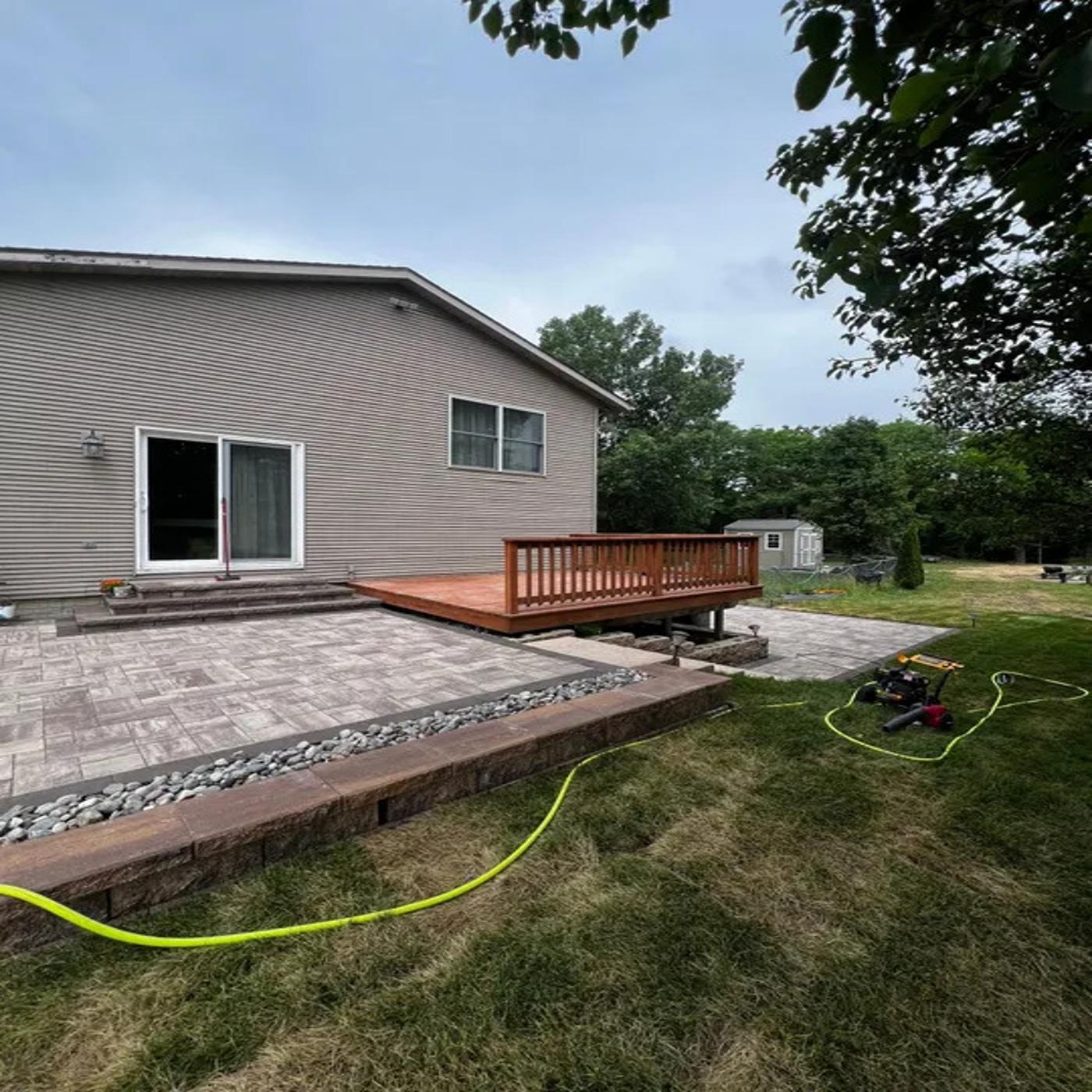
In landscape architecture, a garden is not viewed simultaneously; it is experienced sequentially, unfolding step by step. The routes we construct to navigate the property dictate this experience entirely. A straight, utilitarian path simply moves a person from point A to point B as quickly as possible. However, thoughtfully designed Walkways and Pathways Iowa can do much more; they can tell a story. By manipulating the width, the material, and the geometry of the path, we practice 'Journey Design'. We orchestrate a physical narrative, controlling the pace of the walker, framing specific views, and creating a profound sense of anticipation and discovery that transforms a simple walk into an engaging, emotional experience.
The Psychology of the Curve
The straight line is the enemy of discovery. When a path is perfectly straight, the destination is immediately visible, instantly removing any sense of mystery or anticipation. To create a narrative arc within the garden, we must employ the curve. A sweeping, gentle curve obscures what lies ahead. As the walker follows the bend, they are naturally drawn forward by curiosity. What is around the corner? This subtle psychological manipulation forces the pedestrian to remain present in the journey rather than focusing solely on the end point. By strategically curving the path around a large, mature tree or a dense stand of ornamental grasses, we create a continuous series of small, delightful reveals.
Manipulating Pace Through Path Width
The width of a pathway subconsciously dictates the speed at which we walk it. A wide, smooth path encourages a brisk, efficient pace—ideal for the primary route leading from the driveway to the front door. However, if we want to encourage a slower, more contemplative experience in a secluded garden area, we intentionally narrow the path. A narrow trail, perhaps only wide enough for one person, forces the walker to slow down and physically interact more closely with the surrounding planting. By varying the width of the path along its route, we act as a conductor, subtly speeding up or slowing down the pedestrian's journey, orchestrating their physical and emotional rhythm through the landscape.
Transitioning Materials to Signal Change
Just as a new chapter in a book signals a change in the narrative, a change in paving material signals a transition to a new zone within the garden. We can use materials to guide the psychological experience. The journey might begin on a formal, tightly jointed cut-stone path near the house, conveying structure and elegance. As the path winds deeper into the garden toward a quiet seating area, it might transition to a softer, crunchier material like crushed gravel or rustic stepping stones surrounded by moss. This tactile and acoustic shift underfoot clearly communicates that the walker has left the formal entertaining space and entered a more relaxed, naturalistic sanctuary.
Framing the Final Destination
A well-designed journey must culminate in a meaningful destination, and the path must frame that arrival perfectly. We do not want the path to simply end abruptly. As the pathway approaches its conclusion—whether that is a hidden bench, a spectacular water feature, or a grand patio—we often widen the paving slightly, creating a 'landing pad' that invites the walker to pause and take in the view. We use planting or structural elements like a timber arbour or a stone archway at the very end of the path to act as a physical threshold, a final 'reveal' that perfectly frames the destination and provides a satisfying, dramatic conclusion to the garden's narrative arc.
Conclusion
A garden pathway is the most powerful tool a designer has to control the human experience of the landscape. By embracing the mystery of the curve, manipulating walking pace through width, signalling transitions with material changes, and perfectly framing the destination, we elevate simple infrastructure into an engaging narrative. Journey design ensures that moving through your garden is a captivating, emotional experience from the first step to the last.
Call to Action
Transform your garden from a static space into a captivating journey of discovery. Contact our landscape architects today to design pathways that tell a beautiful story.

 English