


 SPARK Website
QuickBooks Shipping Manager Not Working? Effective Troubleshooting Methods
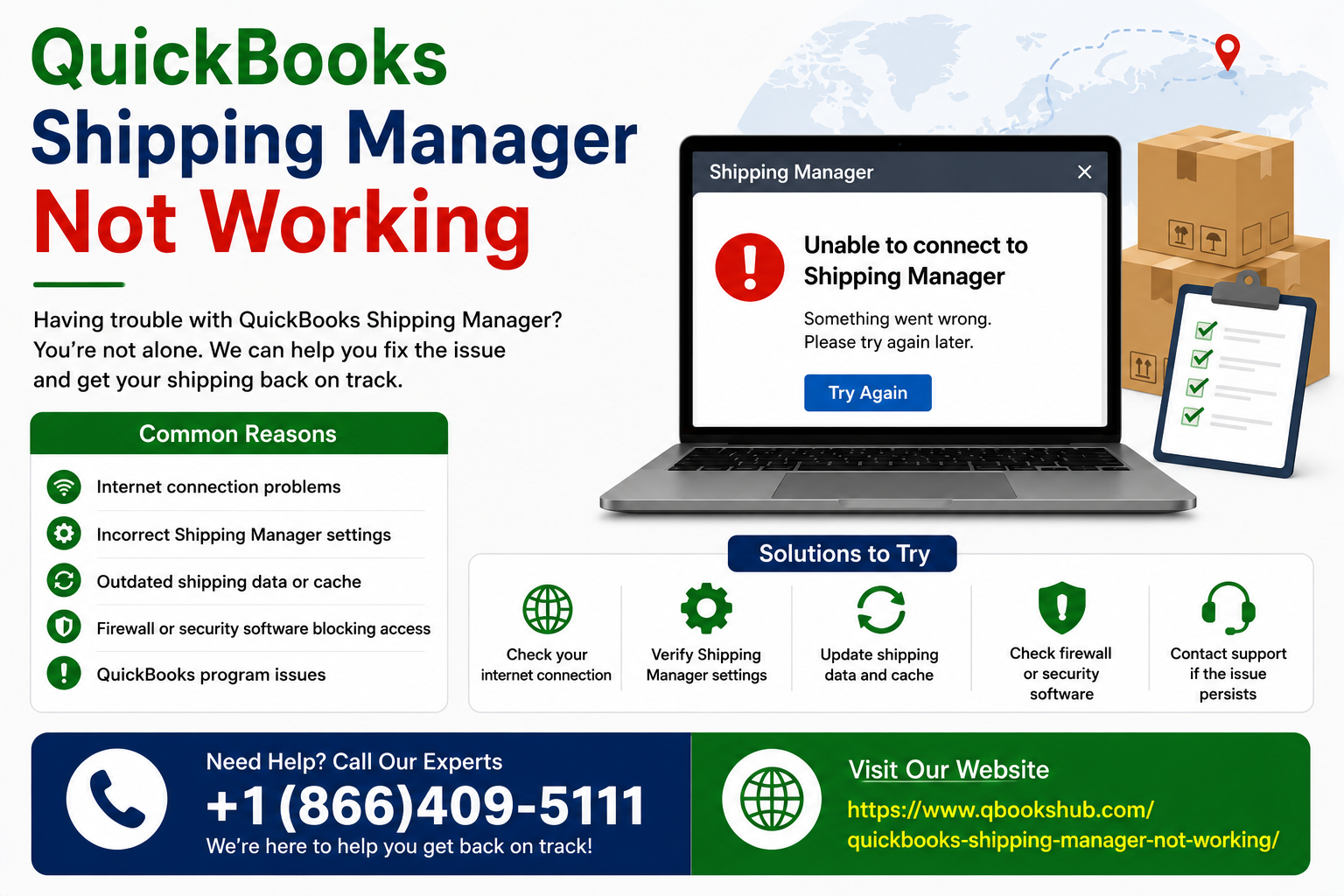
QuickBooks Shipping Manager is a useful feature that allows businesses to manage shipping activities directly from QuickBooks. It helps users create shipping labels, track packages, and integrate shipping information with customer invoices. However, many users occasionally encounter issues where QuickBooks Shipping Manager stops functioning correctly, causing delays in order fulfillment and shipping operations.
If you are experiencing a QuickBooks Shipping Manager Not Working issue, understanding the possible causes and troubleshooting methods can help restore functionality quickly. This guide explains the common reasons behind the problem and provides practical solutions to resolve it.
What Is QuickBooks Shipping Manager?
QuickBooks Shipping Manager is an integrated shipping solution available within QuickBooks Desktop. It enables users to connect with supported shipping carriers, process shipments, print labels, and maintain shipping records without leaving the QuickBooks environment.
The feature is particularly valuable for businesses that frequently ship products and want to streamline inventory and order management processes.
Common Signs of QuickBooks Shipping Manager Problems
When Shipping Manager encounters issues, users may notice several symptoms, including:
-
Shipping Manager fails to open.
-
Error messages appear when creating shipments.
-
Shipping labels do not print.
-
Carrier information cannot be retrieved.
-
QuickBooks freezes during shipping transactions.
-
Shipping Manager closes unexpectedly.
-
Database connection errors occur.
-
Shipping rates fail to load.
Identifying these symptoms can help determine the most appropriate troubleshooting approach.
Why Is QuickBooks Shipping Manager Not Working?
Several factors can prevent Shipping Manager from operating properly. The most common causes include:
Damaged QuickBooks Company File
A corrupted company file can interfere with Shipping Manager's ability to access customer and shipping information. Data damage often results from unexpected system shutdowns or network interruptions.
Outdated QuickBooks Version
Using an older version of QuickBooks may create compatibility issues with shipping services and carrier integrations. Software updates frequently contain fixes for shipping-related bugs.
Shipping Manager Database Errors
The Shipping Manager database stores important shipping information. If the database becomes damaged or inaccessible, the feature may stop working correctly.
Windows Permissions Issues
Insufficient administrative permissions can prevent QuickBooks from accessing required files and services.
Network Connectivity Problems
Shipping Manager relies on internet connectivity to communicate with supported carriers. Network interruptions can cause shipping functions to fail.
Firewall or Security Software Restrictions
Certain firewall settings or antivirus programs may block QuickBooks processes, preventing Shipping Manager from connecting to external services.
Damaged QuickBooks Installation
Corrupted program files can impact multiple QuickBooks features, including Shipping Manager.
How to Troubleshoot QuickBooks Shipping Manager Not Working
Solution 1: Update QuickBooks Desktop
Running the latest QuickBooks release ensures compatibility with current shipping services.
Steps:
-
Open QuickBooks Desktop.
-
Select Help.
-
Click Update QuickBooks Desktop.
-
Choose Update Now.
-
Install available updates.
-
Restart QuickBooks.
After updating, test Shipping Manager again.
Solution 2: Verify and Rebuild Company Data
QuickBooks includes built-in tools to identify and repair data damage.
Verify Data
-
Open QuickBooks.
-
Select File.
-
Choose Utilities.
-
Click Verify Data.
If QuickBooks detects issues, proceed with the Rebuild Data utility.
Rebuild Data
-
Go to File.
-
Select Utilities.
-
Choose Rebuild Data.
-
Follow on-screen instructions.
-
Create a backup when prompted.
Once completed, reopen Shipping Manager.
Solution 3: Run QuickBooks as Administrator
Administrative privileges may be required for Shipping Manager functions.
Steps:
-
Close QuickBooks.
-
Right-click the QuickBooks icon.
-
Select Run as Administrator.
-
Open Shipping Manager.
This simple step often resolves access-related issues.
Solution 4: Check Internet Connection
A stable internet connection is essential for retrieving shipping rates and carrier information.
Verify that:
-
Internet access is active.
-
Browser connectivity works normally.
-
Network equipment is functioning correctly.
-
VPN connections are not interfering with communication.
Restarting the modem and router may also help.
Solution 5: Review Firewall Settings
Windows Firewall or third-party security applications may block QuickBooks services.
To test:
-
Temporarily disable firewall software.
-
Open Shipping Manager.
-
Check whether the issue persists.
If Shipping Manager works, configure firewall exceptions for QuickBooks and related processes.
Solution 6: Repair QuickBooks Installation
Repairing QuickBooks can replace damaged program files.
Steps:
-
Close QuickBooks.
-
Open Control Panel.
-
Select Programs and Features.
-
Choose QuickBooks Desktop.
-
Click Uninstall/Change.
-
Select Repair.
-
Complete the repair process.
-
Restart the computer.
After restarting, verify Shipping Manager functionality.
Troubleshooting the QuickBooks Shipping Manager Database Error
One of the most common issues associated with Shipping Manager involves database-related errors.
What Causes Database Errors?
Database errors may occur due to:
-
Corrupted shipping records.
-
Damaged QuickBooks data files.
-
Interrupted updates.
-
Network file access issues.
-
Improper system shutdowns.
How to Fix Shipping Manager Database Errors
Verify Company Data
Use Verify Data and Rebuild Data utilities to identify corruption.
Check Database Service
Ensure QuickBooks database services are running correctly.
-
Press Windows + R.
-
Type services.msc.
-
Locate QuickBooks Database Server Manager.
-
Confirm the service is running.
Restart Database Services
If the service has stopped:
-
Right-click the service.
-
Select Restart.
-
Open QuickBooks again.
Recreate Damaged Shipping Records
If only specific shipments trigger errors, creating new shipping entries may resolve the issue.
Fix Shipping Label Printing Problems
Sometimes Shipping Manager appears functional but cannot print labels.
Possible causes include:
-
Incorrect printer configuration.
-
Outdated printer drivers.
-
Damaged PDF components.
-
Windows print spooler issues.
Recommended Steps
-
Update printer drivers.
-
Restart the Print Spooler service.
-
Test printing outside QuickBooks.
-
Configure the correct default printer.
Successful test prints can confirm whether the issue is printer-related.
Preventing Future Shipping Manager Issues
Preventive maintenance can significantly reduce future problems.
Keep QuickBooks Updated
Install updates regularly to benefit from bug fixes and performance improvements.
Back Up Company Files
Frequent backups protect valuable business data and simplify recovery efforts.
Monitor System Health
Regular disk maintenance and system updates help maintain software stability.
Use Reliable Internet Connectivity
Stable internet service supports uninterrupted communication with shipping carriers.
Review Security Settings
Ensure security software is not blocking QuickBooks processes.
Perform Routine Data Verification
Running Verify Data periodically can identify minor issues before they become major problems.
When Shipping Manager Stops Working After an Update
Some users notice Shipping Manager issues immediately after a QuickBooks update.
In these situations:
-
Restart the computer.
-
Install any additional QuickBooks patches.
-
Repair the QuickBooks installation.
-
Verify company file integrity.
Update-related issues are often resolved through additional maintenance updates released by Intuit.
Best Practices for Businesses Using Shipping Manager
Businesses that depend heavily on shipping operations should follow these recommendations:
-
Train staff on proper shipping procedures.
-
Maintain current QuickBooks releases.
-
Store backups securely.
-
Monitor shipping transactions regularly.
-
Test shipping functionality after major updates.
-
Review carrier integration settings periodically.
These practices help ensure smoother shipping workflows and fewer disruptions.

 عربي
عربي